
Last updated September 10, 2026
Level 1 sweep and inspection to the NFPA 211 annual standard - flue, crown, cap, and flashing checked and photographed
Chimney sweep logs do not sweep chimneys. They loosen some creosote - which then falls where a brush and vacuum still have to collect it.
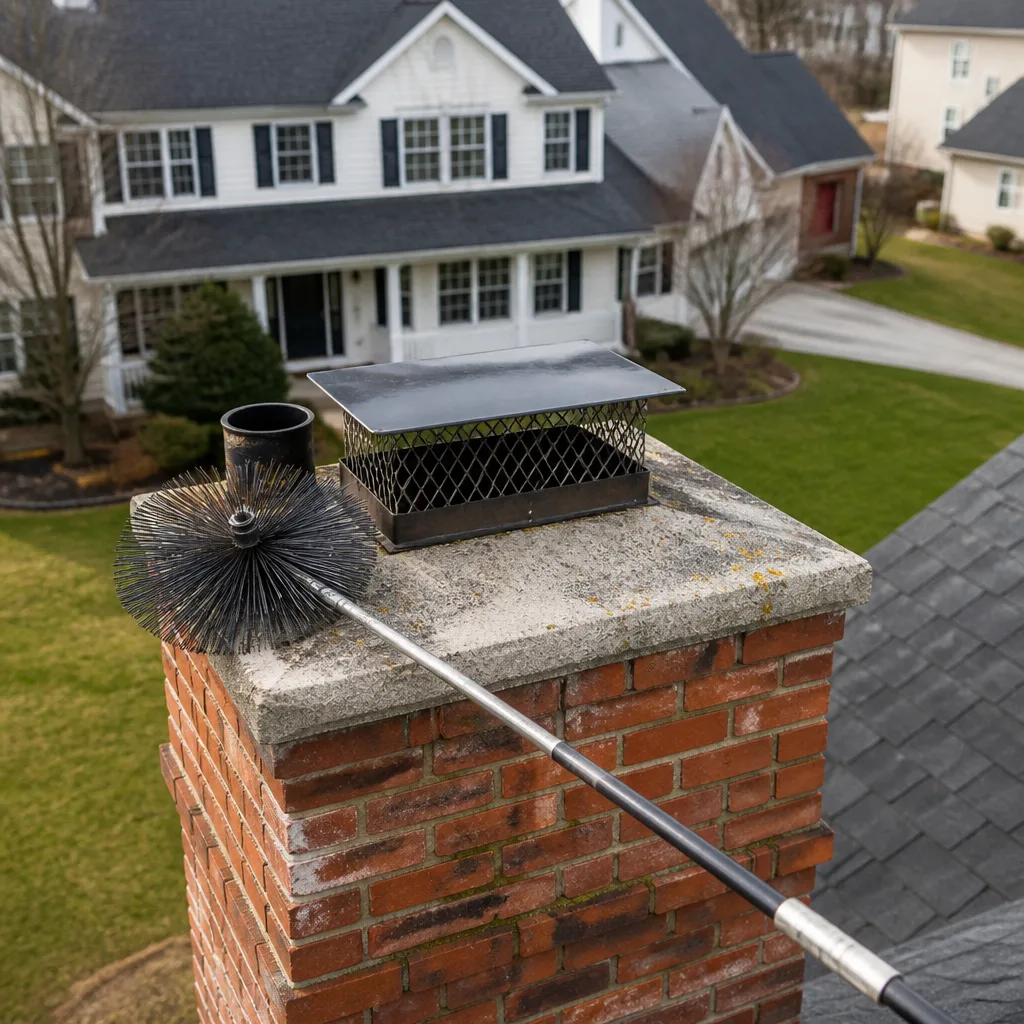
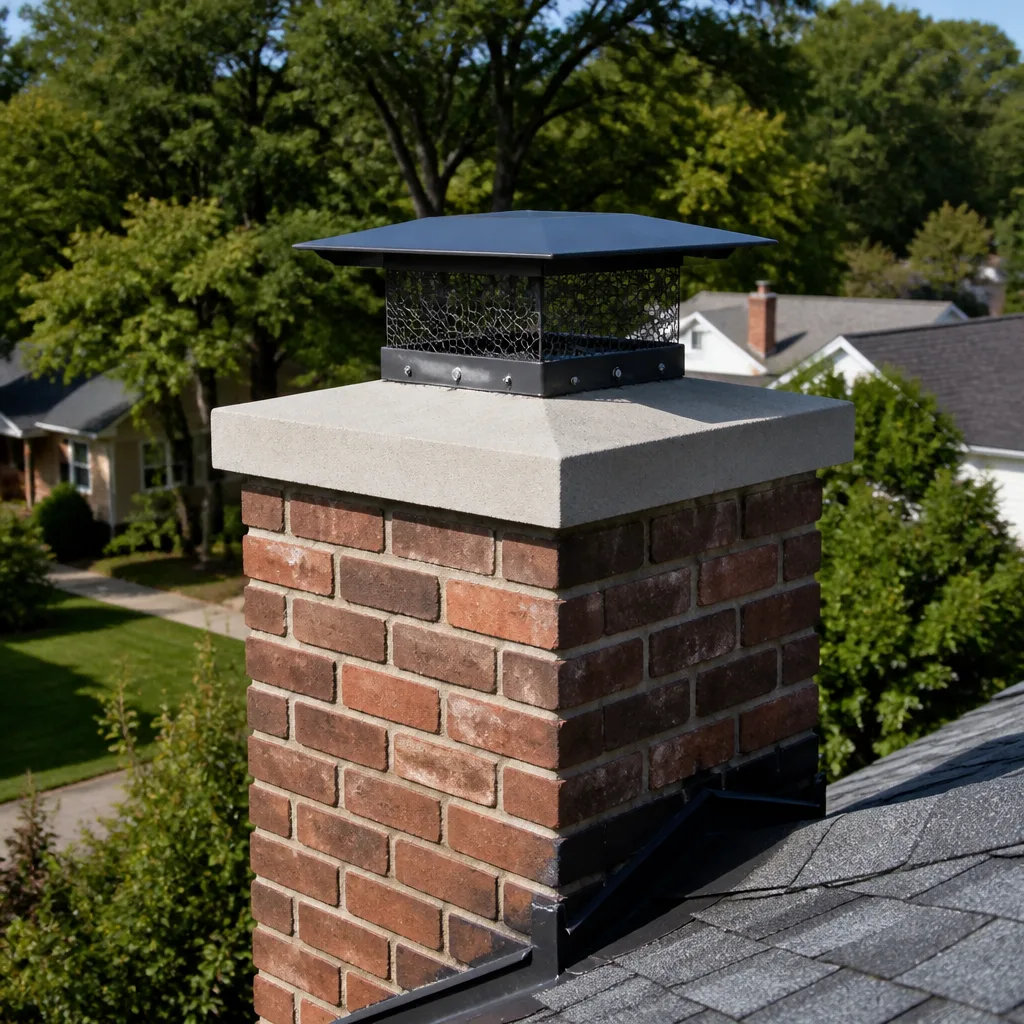
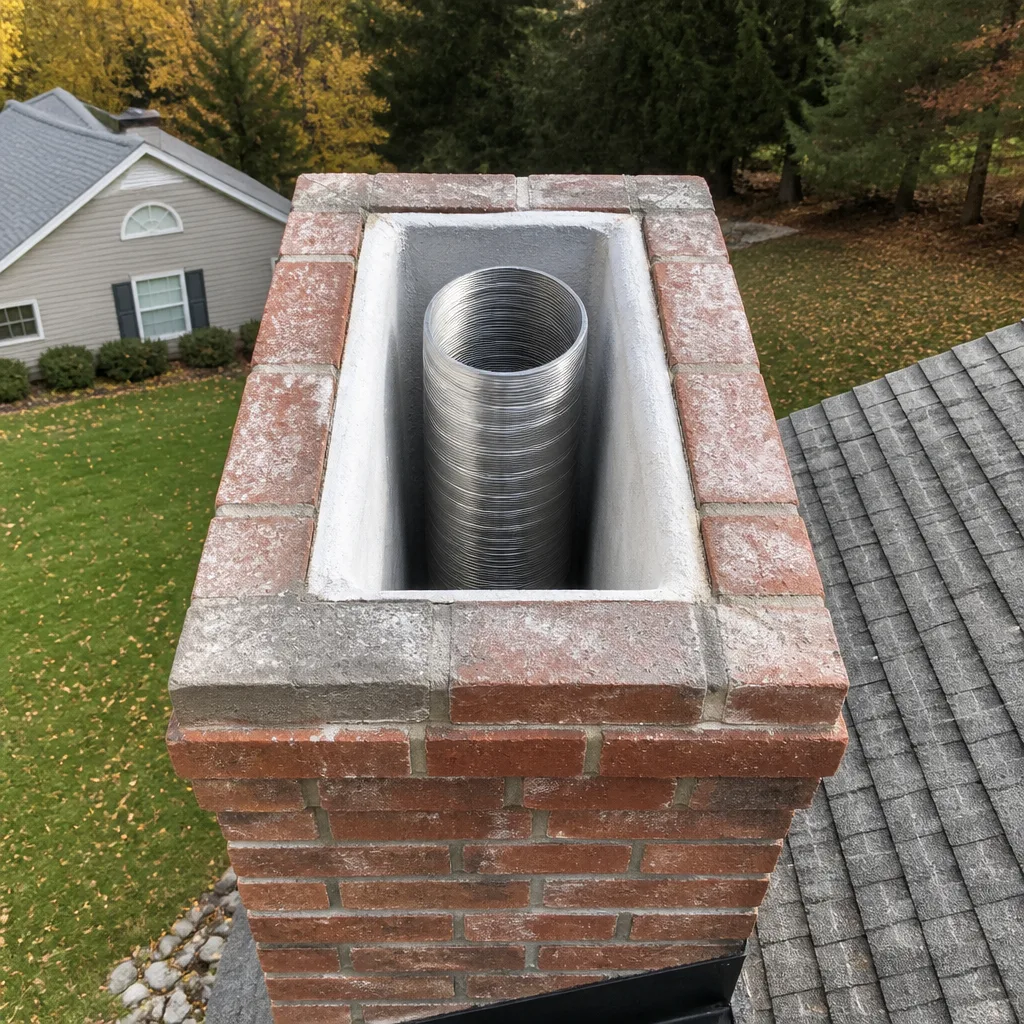
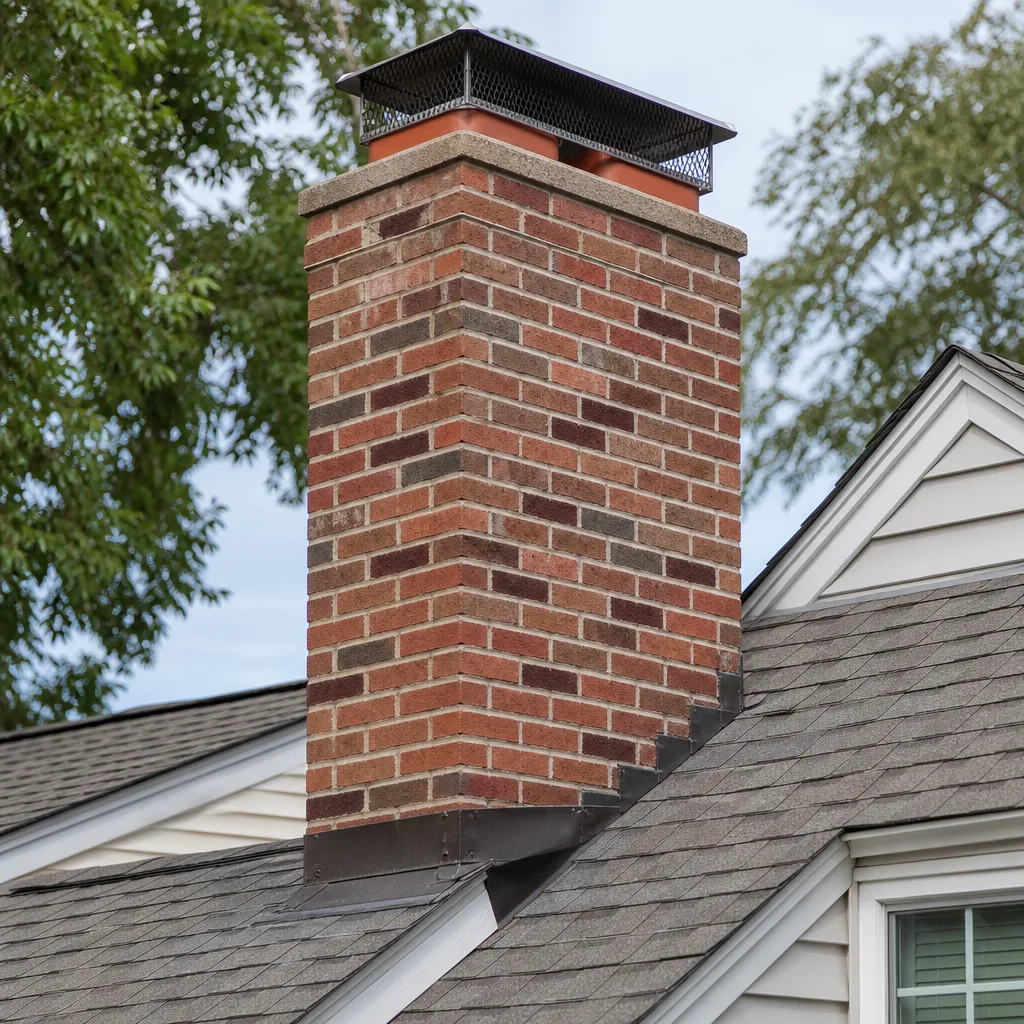
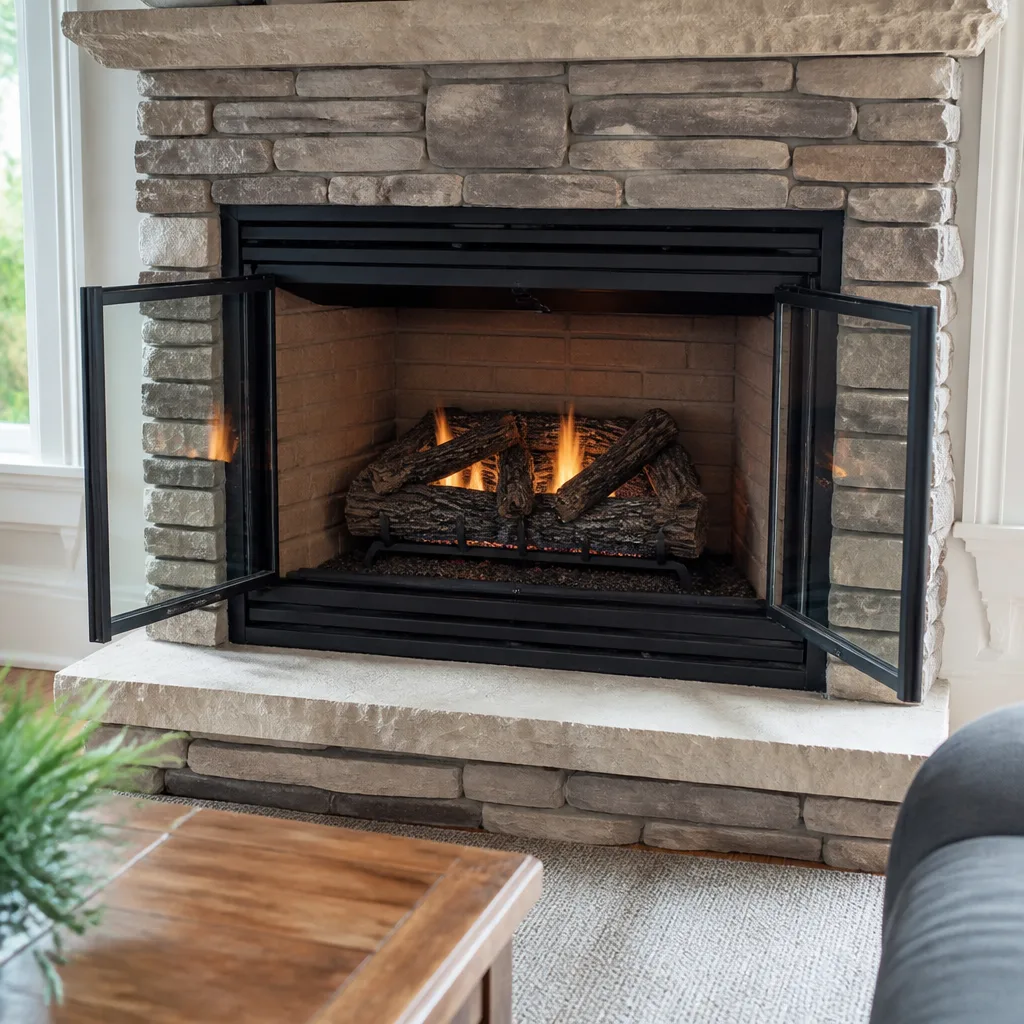
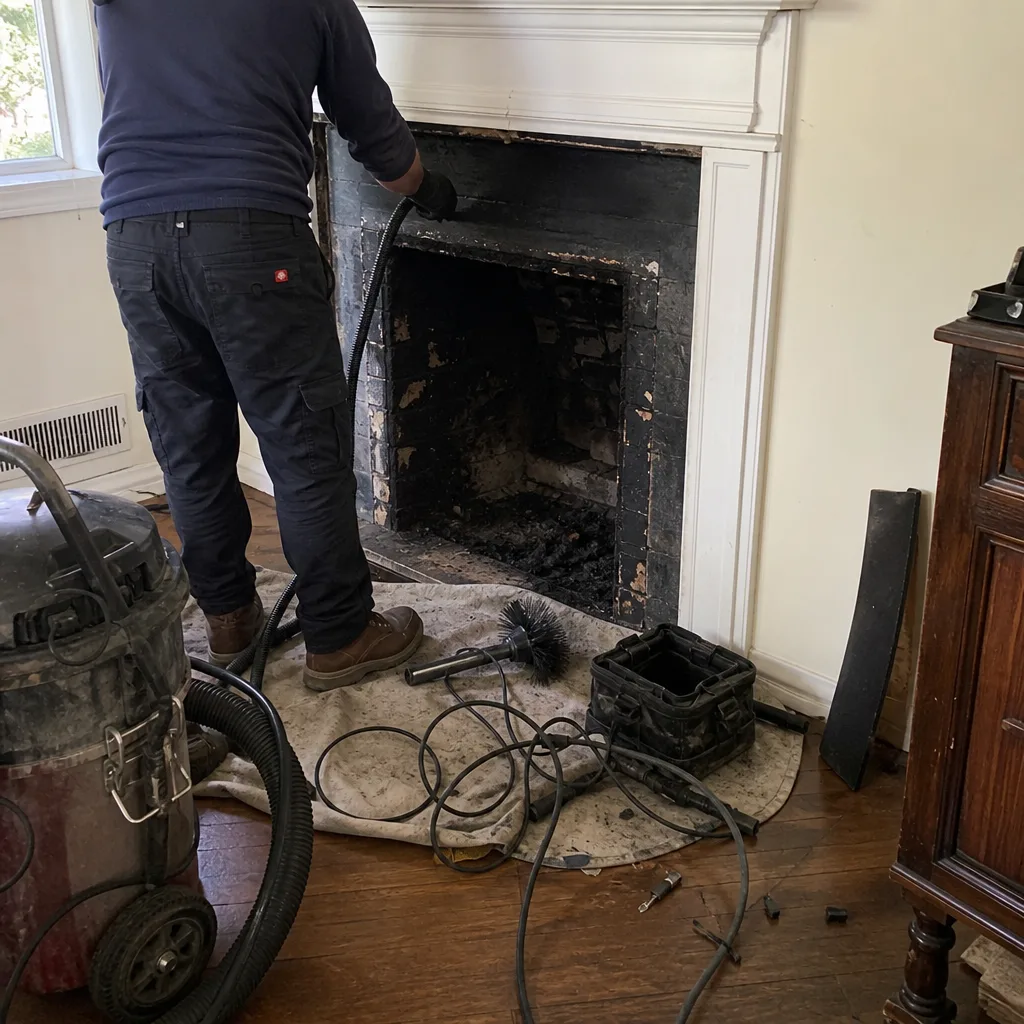 Before
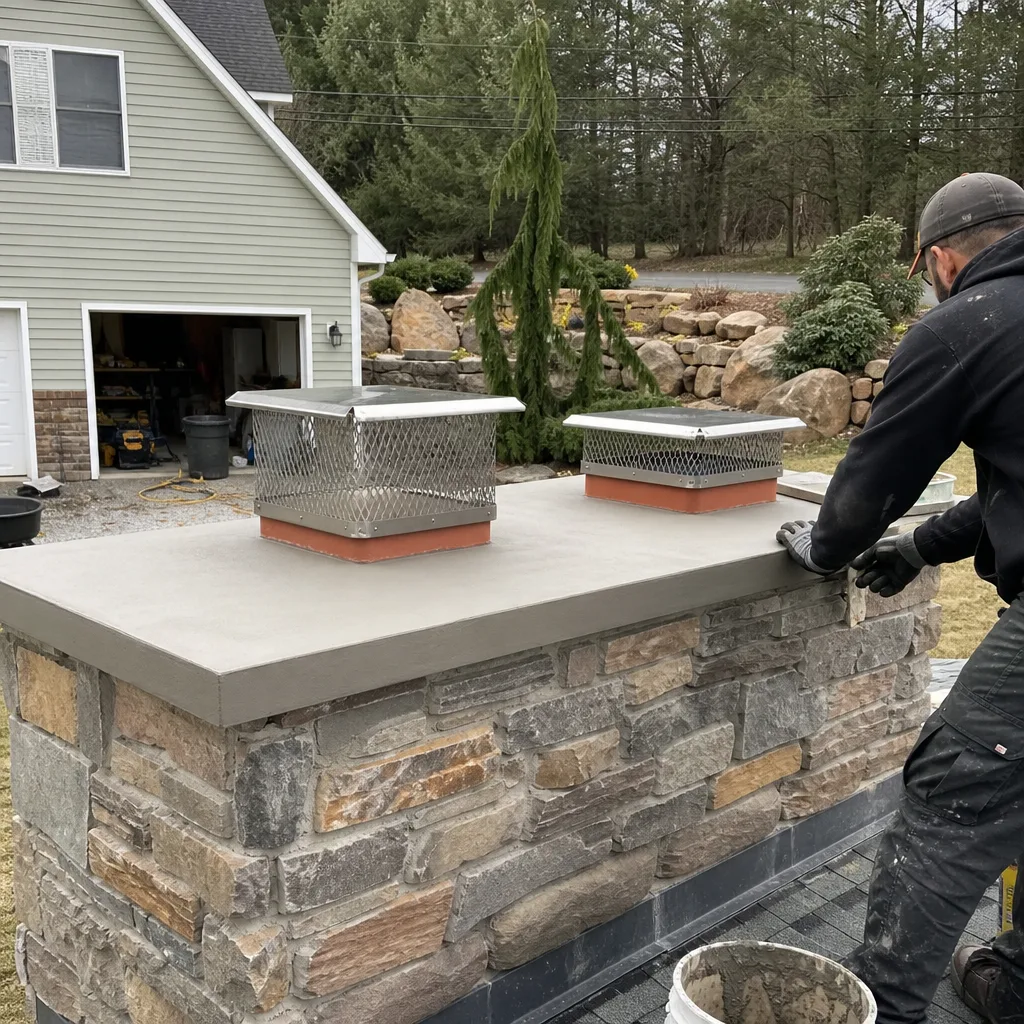 After
After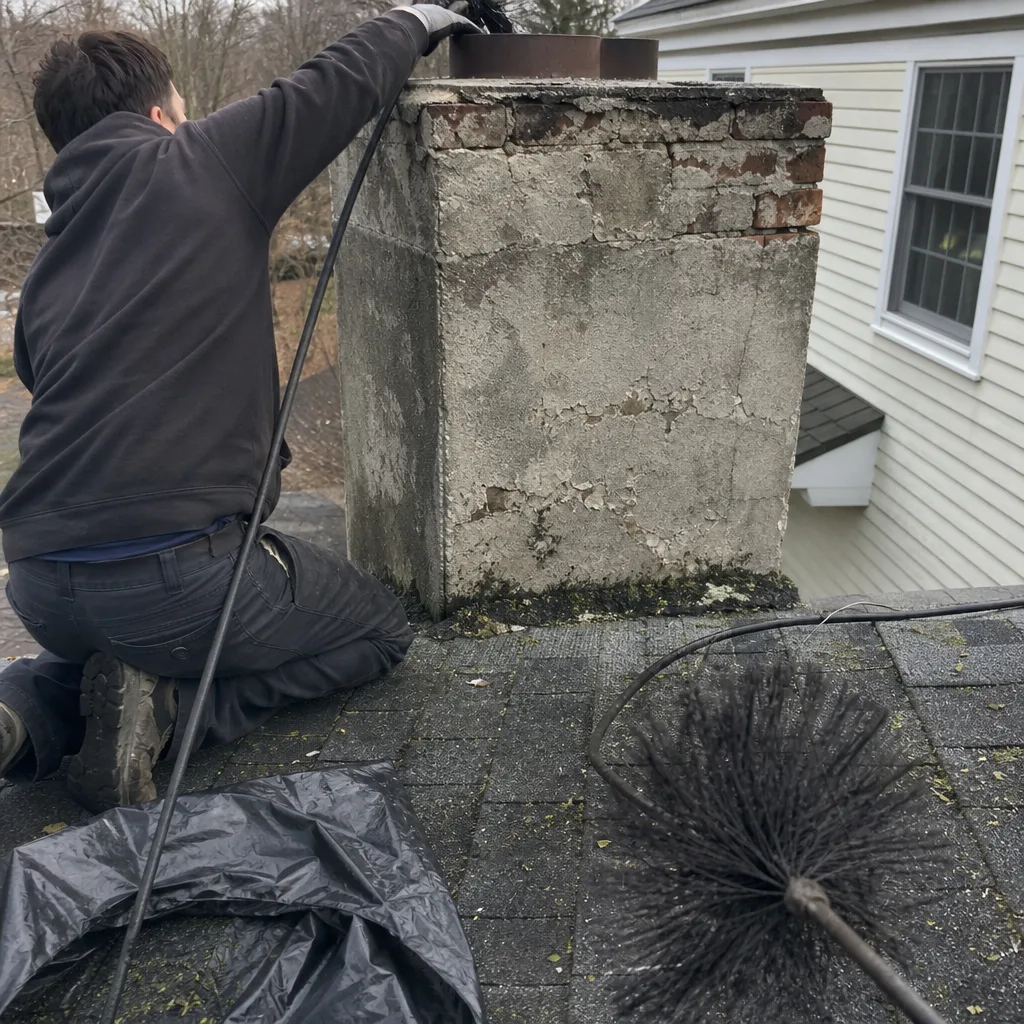 Before
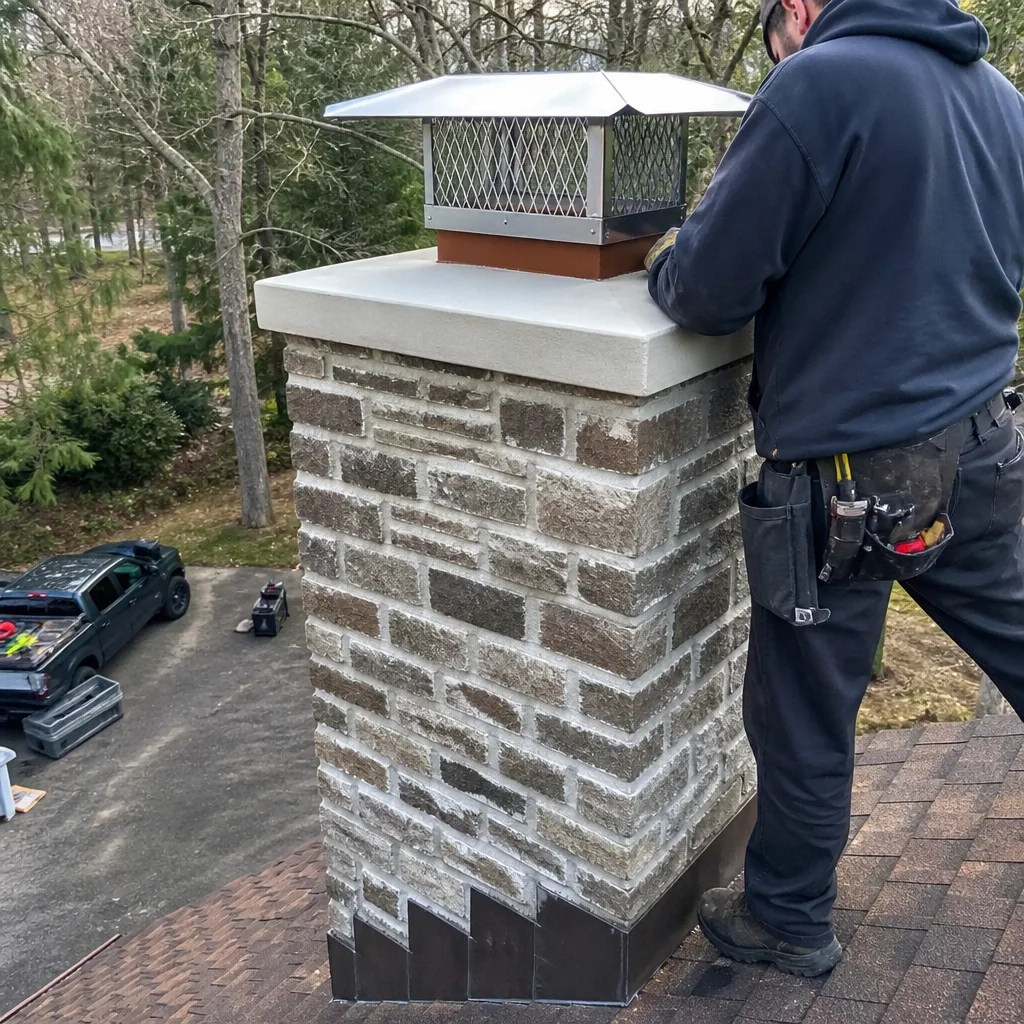 After
After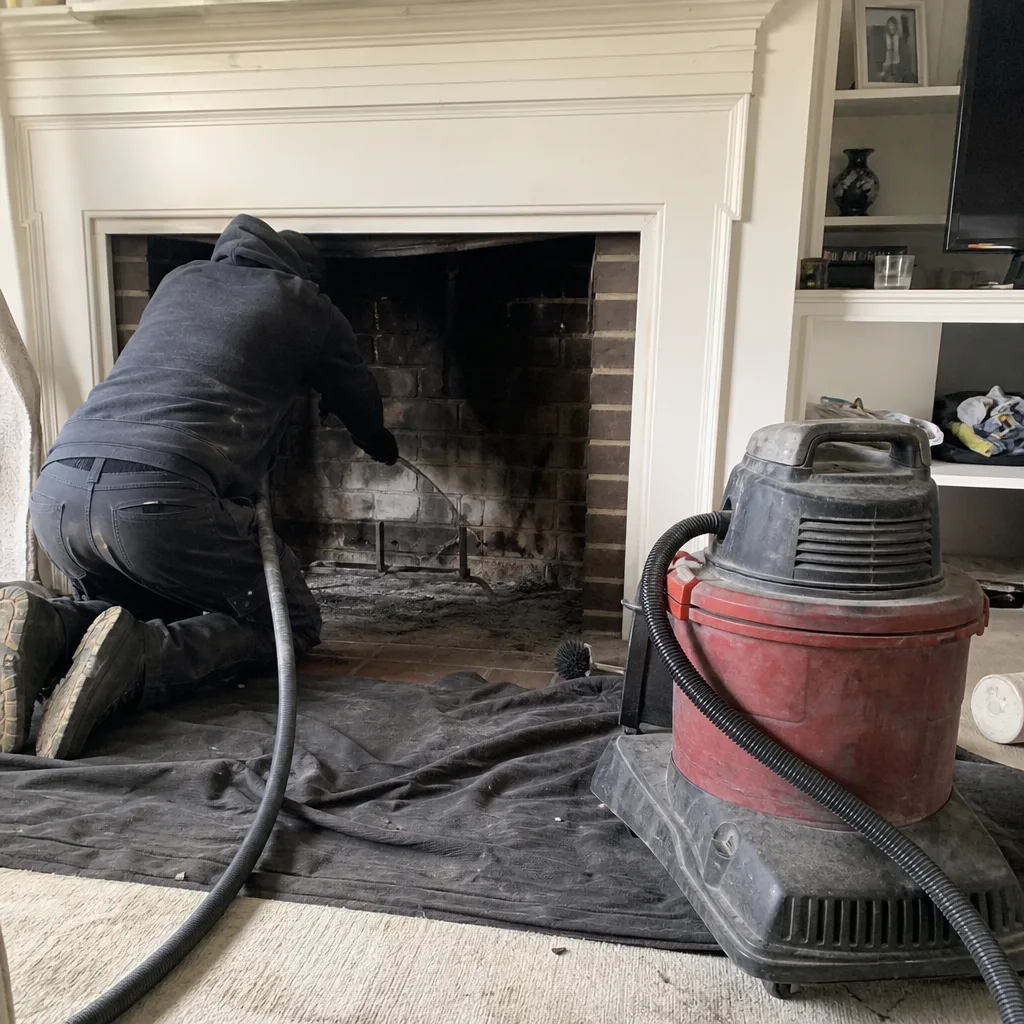 Before
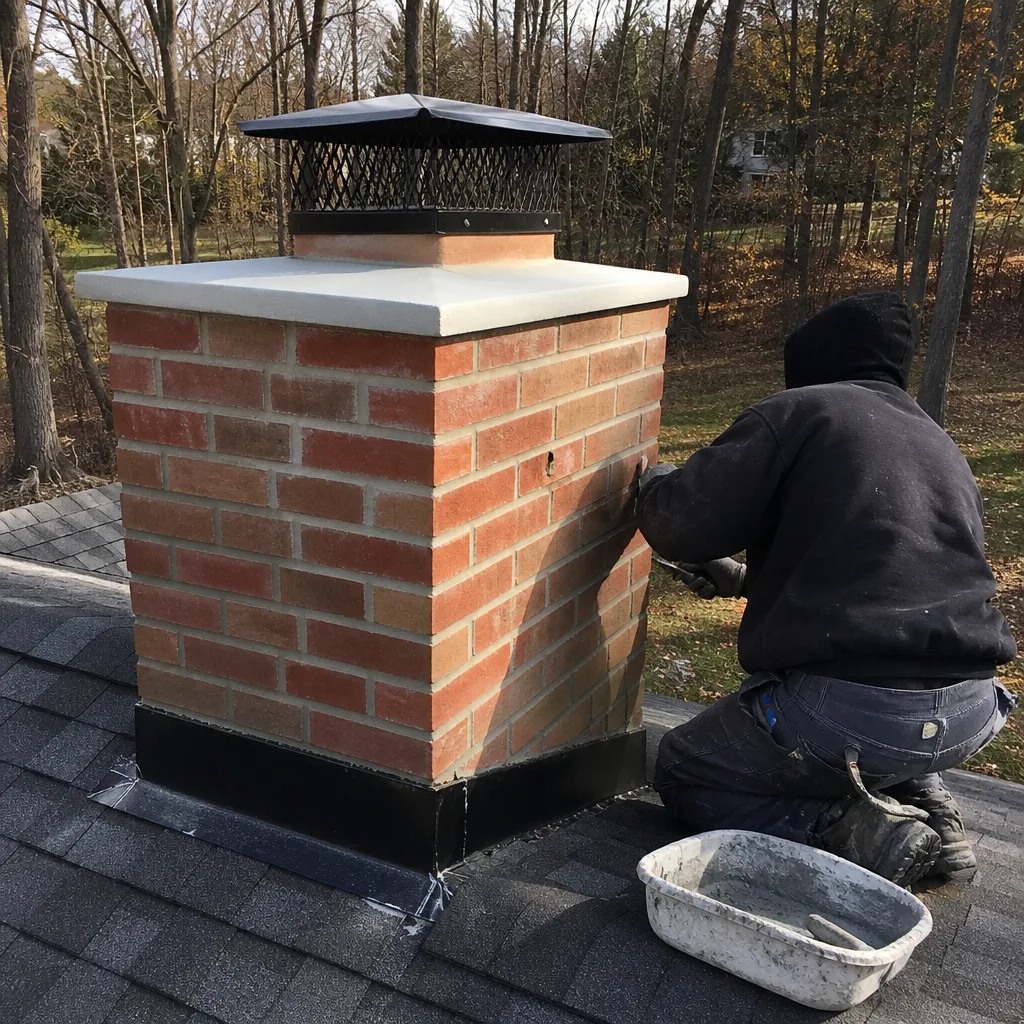 After
AfterDIY vs Professional Chimney Cleaning: The Westchester County Homeowner’s Decision Guide
Here’s something most chimney companies won’t tell you: a homeowner with a straight flue, a light dusting of stage-one creosote, and a safe way onto the roof can absolutely clean their own chimney. Wendell Pike has said it for twenty-nine years, and he’ll say it again today. But here’s the part that matters if you live in Westchester County: the majority of homes between Yonkers and Putnam County were built before 1985, which means offset flues, exterior chimneys with oversized clay tile, and steep colonial rooflines. Each one of those turns a Saturday DIY project into something closer to a risk than a savings. This guide walks you through the exact decision, step by step, so you know which camp you’re in before you spend a dollar. For how to hire a chimney cleaning contractor in Westchester County: a step-by-step guide, see our companion resource.
Quick Answer
DIY chimney cleaning is practical for homeowners with a straight flue, first-degree creosote, a low-pitch roof, and a comfortable working relationship with heights. In Westchester County specifically, that describes a minority of chimneys: most homes here have offset flues, exterior masonry that cools creosote fast, and rooflines steep enough to make top-down brushing a genuine fall risk. When any of those three conditions is present, a professional cleaning costs less than the equipment and hospital bill you’d be gambling with; the real savings from DIY is always the inspection you skip, not the brushing itself.
Table of Contents
- The Three Conditions That Decide DIY vs. Professional
- Creosote Stages: What a Brush Can and Cannot Remove
- The Three Flue Configurations in Westchester County That Defeat DIY
- Roof Pitch, Height, and the Fall-Risk Math
- What Doing It Right Yourself Actually Costs
- The One Thing DIY Cleaning Cannot Do
- Step-by-Step: What a Safe DIY Cleaning Looks Like
- Common Mistakes to Avoid
- When to Call a Professional
- Frequently Asked Questions
- The Bottom Line
The Three Conditions That Decide DIY vs. Professional
The cleaning itself is not the hard part. The decision is. And the decision comes down to three conditions, not your handiness, not your ambition, and not the price of a brush kit at the hardware store in Mount Kisco. The three conditions are your flue configuration, your creosote stage, and whether you can access the top of the chimney without putting your body on a ladder that belongs in an extension-cord commercial.
If all three line up in your favor, go ahead. Wendell means that. A straight flue, stage-one creosote, and a low-pitch roof make this a very reasonable Saturday project for a careful person. We have met plenty of Westchester homeowners who do their own cleaning for a decade straight and never have a problem, because their setup is simple and their creosote stays powdery. The person who gets hurt, or who creates a mess that takes longer to clean than the chimney ever did, is the person who checks one box and assumes the other two are fine. They usually are not.
In our experience, roughly seven out of ten chimneys in Westchester County fail at least one of these conditions. Not because the homes are poorly built. Because they are old, and they were built in a style that looks beautiful from the curb and makes a chimney sweep’s point when he drops a camera down the flue. Older colonials, Victorians, and mid-century ranches each have their own way of making a chimney complicated. Knowing yours is the first step.
Creosote Stages: What a Brush Can and Cannot Remove
Creosote is the residue of incomplete combustion. Your fire does not burn wood. It bakes it, and what does not burn rises as smoke, cools inside the flue, and condenses on the clay or steel as creosote. The temperature at which that cooling happens determines what kind of creosote you get. And the kind of creosote you get determines whether a brush does anything at all.
Stage One: Soot and Flaky Creosote. This is a thin, dusty, brownish-black coating that scrapes off like dandruff from inside a chimney. It forms when the flue stays warm, the fire runs hot, and the wood is reasonably seasoned. A wire brush handles this easily. This is the one stage where DIY cleaning actually works, and the one you are most likely to have if you burn hot, short fires and have your wood stacked for a full year before it goes in the stove. First-degree creosote is a brush job. If the inside of your flue looks like a dry black chalkboard, you can clean it yourself.
Stage Two: Glazed Creosote. This is where Westchester County winters start to matter. When the outside air is cold, the chimney wall is cold, and the smoke cools faster. Instead of dry flakes, you get a shiny, tar-like glaze that sticks to the flue like caramel on a cold spoon. A brush does not remove stage two. It polishes it. You can run a wire brush up and down until your arms give out and you have removed maybe twenty percent of the deposit, and the rest is still there cooking away. Glaze requires rotary tools with chains or chemical treatments. This is professional territory, not because anyone is guarding it, but because the tools that work cost more than the professional visit.
Stage Three: Carbonized Tar. This is the stage people mean when they say the chimney is worn out. Stage three looks like a thick, shiny, crusted layer of hardened tar that can be a quarter inch thick or more. It restricts the flue opening, it burns at a lower temperature than stage one, and it is the primary fuel source for chimney fires. Removing it without damaging the flue requires rotary cleaning heads and sometimes chemical application that breaks the tar down over days. No brush kit sold to a homeowner will touch it. Third-degree is a glaze, and catching it early is the only reason a chimney survives to be cleaned again.
How do you know which stage you have? You look. A flashlight up from the cleanout or down from the top will tell you if the surface is powdery or shiny. If it is shiny, the brush kit is the wrong tool, and the attempt is wasted. If you are not sure, the Chimney Cleaning & Sweep in Westchester County service from a local sweep includes a camera inspection that answers the question in five minutes.
The Three Flue Configurations in Westchester County That Defeat DIY
Most people imagine a chimney as a vertical pipe from the firebox to the roof. In older Westchester homes, that image is wrong more often than it is right. The flue bends. It changes size. It runs up the outside of the house instead of through the middle. Each configuration affects what happens when you try to clean it yourself.
The Offset Flue
Builders in the 1920s through the 1960s frequently routed chimney flues around structural beams, attic windows, or second-floor framing. That creates an offset: the flue goes up, jogs left or right, and goes up again. A brush on a flexible rod can follow the jog, but the rods sold in most DIY kits are sectional fiberglass that can flex only so far before the joints come apart inside the flue. When that happens, you now have a brush head and three rods lodged in the middle of your chimney, and the cost of retrieving them exceeds the cost of the cleaning you were trying to avoid. In homes around Bronxville and Tuckahoe, where square footage pushed builders to route flues around living space, offset flues are common enough that we assume one until the camera proves otherwise.
The Exterior Chimney
When a chimney runs up the outside wall of the house rather than through the center, the cold air outside chills the flue walls during burn season. That is why exterior chimneys accumulate glazed creosote faster than interior ones. The cleaning problem is not just the glaze, though. Exterior chimneys on older homes often use oversized clay flue tiles, fourteen by fourteen or larger, to meet code for wood stoves and open hearths. A standard eight-inch brush does not touch the corners of an oversized flue, and the creosote that accumulates in those corners is exactly where the fire risk lives. An exterior chimney in Croton-on-Hudson or Yorktown Heights needs a brush sized to the flue, not the one that comes in the kit.
The Small-Throat Chimney
Some older Westchester homes, particularly 1920s and 1930s cottages and bungalows, have flues that narrow at the smoke chamber or the damper opening. A brush that fits the flue will not pass through the throat, and a brush that fits the throat will not clean the flue. The result is a cleaning job that misses the area where most creosote accumulates, because the homeowner gave up when the brush would not pass and called it good enough. It is not good enough, and it is the most common reason we see stage-two glaze above a smoke chamber that has been completely unbrushed for years.
Your flue does not care how the fire looks. It cares how it breathes. A flue configuration that defeats a DIY brush does not announce itself until you are on the roof, rod in hand, wondering why nothing is scraping. We run into homeowners who just spent a weekend fighting an offset flue and now have black soot all over a guest bedroom because a joint came apart inside the wall. The mess alone would have paid for the professional visit.
Roof Pitch, Height, and the Fall-Risk Math
Westchester County has a lot of beautiful old houses with steep roofs. The colonial style that covers half of Scarsdale, Larchmont, and Rye has an average roof pitch between eight and twelve inches of rise per twelve inches of run. Some of the Victorians in Hastings-on-Hudson go steeper. A twelve-twelve pitch is a forty-five-degree slope. You can walk on it with the right shoes and a safety harness, and that is exactly the point: the right shoes and a safety harness cost money and require a place to anchor the harness, and neither one is included in a DIY brush kit.
Now add the height. A two-story colonial in Bedford or Chappaqua puts the chimney cap thirty to thirty-five feet above the ground. That is not a step ladder job. That is an extension ladder well past its middle, on uneven ground, with a brush and rods in one hand and a grip on the ladder with the other. Fall injuries from chimney cleaning are not the exception that happened to someone else. According to the Consumer Product Safety Commission, ladder falls send over two hundred thousand Americans to emergency rooms every year, and chimney cleaning accounts for a meaningful share of the seasonal spike between October and January. A fall from twenty-five feet can kill. A fall from thirty-five feet usually does.
The honest question to ask yourself is not “can I climb that roof.” It is “would I put my son-in-law on that roof with a brush kit and tell him it is fine.” If the answer is no, the DIY option is already decided. And if the answer is yes, ask yourself one more: is the $250 you would save worth the scenario where you are alone, on the ridge line, and the ladder slips, and there is no one home to hear you. Wendell gets asked about DIY cleaning at least once a week, and he gives the same answer every time: if the roof is steep, the answer is not about the chimney at all. The answer is about gravity.
Some homeowners have a flat or low-pitch roof and a chimney that rises out of the center. If that describes your house, you are one of the lucky ones, and the DIY conversation is still on the table. But check the roof material while you are up there. Slate roofs are common in older Westchester homes, and slate breaks when you walk on it wrong. One cracked slate tile costs more to replace than a professional chimney cleaning, and it is a surprising number of dollars for a piece of rock.
What Doing It Right Yourself Actually Costs
The math on DIY is not what the blog posts tell you. A person reads “$30 brush kit” and compares it to a $249 professional cleaning and concludes the savings is $219. The real math includes the equipment that makes the job safe and effective, and it looks more like this:
| Item | Cost Range |
|---|---|
| Chimney brush sized to your flue | $30-$70 |
| Fiberglass sectional rods (enough for a two-story flue) | $60-$120 |
| Drop cloths, plastic sheeting, painter’s tape | $25-$45 |
| Shop vac with HEPA filter | $80-$200 |
| Ladder (extension, rated for the height) | $150-$400 |
| Roof harness and anchor | $80-$180 |
| Respirator mask and safety goggles | $30-$70 |
| Total actual cost | $455-$1,085 |
Now, if you already own a shop vac, a ladder, and a respirator, the number drops. But most people do not own a roof harness, and the harness is not optional on a pitched roof. The honest cost of doing it right yourself, first time out, lands somewhere between $150 and $300 for the consumable kit parts plus whatever safety and cleanup equipment you do not already own. A professional cleaning in Westchester County typically runs $200 to $350 depending on the flue and the appliance-see our chimney cleaning cost breakdown: the Westchester County homeowner’s reference for 2026 for full details. The savings from DIY, when you account for actual equipment, is often less than $100. If the job goes wrong, the savings is negative by thousands.
There is also the matter of where the soot goes. A professional sweep sets up tarps, runs an industrial vacuum, and leaves nothing behind but a faint smell of a job well done. A DIY job in a house with white carpeting and a family room full of furniture is a different story. Soot migrates. It finds the gap in the drop cloth, the seam in the plastic, the cat that wandered through when your back was turned. The amount of time spent vacuuming curtains and apologizing to a spouse is a real cost, and it does not appear on the hardware store receipt.
The One Thing DIY Cleaning Cannot Do
Here is the part that matters more than the brush, the ladder, or the roof. A chimney cleaning done by a professional is not just a cleaning. It is an inspection. Every time. The sweep is looking for cracks in the flue liner, gaps in the mortar joints, rust on the damper, water damage in the smoke chamber, animal nests, and a dozen other conditions that cannot be seen from the firebox with a flashlight. The camera footage and a plain-English verdict, every time, no exceptions. That is not an upsell. That is the actual service.
When you clean your own chimney, you brush the creosote off the walls and you look down from the top and you see black walls that are now less black, and you think the job is done. What you do not see is the hairline crack in the clay liner behind where the creosote was thickest. You do not see the crown crumbling around the top because you were focused on getting down safely. You do not see the water stain in the attic because you never opened the attic door. The inspection gap is the real cost of going it alone, and it is invisible until the chimney stops working or starts a fire.
We will tell you when the job does not need doing. That is the honest word of a neighbor who has been inside more chimneys than he can count. If your flue is clean and your crown is solid and your liner is intact, Wendell will say so and charge you for the cleaning, not for a problem that does not exist. But without the camera and the trained eye, you do not know. And not knowing is the most expensive cleaning you will ever skip.
If you do decide to do it yourself, at least bring in a professional for an inspection every couple of years. The Chimney Repair in Westchester County page explains what we find during local inspections and why catching issues early saves thousands.
Step-by-Step: What a Safe DIY Cleaning Looks Like
If you have read this far and you still meet all three conditions, here is the sequence of a safe DIY cleaning. Do not skip steps. The order matters.
- Check the weather. You need a dry, calm day. Wind on a roof turns a safe climb into a balance beam. If rain is in the forecast, wait.
- Prep the room. Lay drop cloths over the hearth, the floor, and any furniture within ten feet. Tape plastic sheeting over the fireplace opening to keep the dust in the flue.
- Inspect what you can see. Open the damper and shine a flashlight up the flue. If the walls are shiny or the damper looks rusted, stop and call a professional. Powder the color of black chalk is fine.
- Set up the ladder. Place it on level ground, tie it off at the top, and climb with three points of contact at all times. A second person on the ground is not optional; that person holds the ladder and calls for help if you fall.
- Remove the cap. Chimney caps from Top Hat Chimney home are simple to remove with a screwdriver, but do not drop it. A cap that lands in the garden is a sad excuse for a Saturday.
- Brush the flue. Attach the brush to the rods and work down from the top. The bristles should scrape the walls the entire length. If you hit an obstruction or the rods will not pass, the flue is offset or the throat is small. Stop and reassess.
- Clean the smoke chamber. Reach down with a smaller brush and remove what you can. This is the area most DIY jobs miss, and the area where most chimney fires start.
- Vacuum everything. Use a HEPA-filtered shop vac to pull the debris from the firebox. Then remove the plastic sheeting carefully, rolling it inward to contain the dust.
- Return in a week. After the dust has settled from corners you missed, vacuum again. The second pass is what keeps the smell out of the living room.
If at any point in this sequence you find yourself standing on a roof with a brush in one hand and a feeling in your gut that this was a mistake, listen to the gut. Climb down. A chimney that does not get cleaned this weekend can be cleaned next week by someone with the right tools. A fall does not reschedule.
Common Mistakes to Avoid
- Using a brush that does not fit. A six-inch brush in an eight-inch flue cleans the center and leaves the corners untouched. That is where the creosote lives. Measure the flue before you buy.
- Cleaning a shiny flue. If the creosote is glazed, a brush is the wrong tool, and the job is not a cleaning; it is a polish. Call a professional with rotary tools.
- Skipping the ladder tie-off. An untied ladder on soft Westchester ground can kick out at the bottom without warning. The person holding the ladder is not enough; the top must be secured.
- Cleaning from the bottom only. Bottom-up cleaning with a drill attachment can work for straight flues, but it will not reach the smoke chamber or the top of the flue, and it throws dust into the house instead of onto the roof.
- Forgetting the cap. A chimney cap is not decorative. It keeps rain, animals, and downdrafts out. If you remove it and do not reinstall it, you have created a new problem while solving an old one.
- Doing it in the fall in a hurry. October is when every Westchester homeowner remembers the chimney exists. A rushed job on a Saturday before a fire that night is how mistakes get made. Once a year, burn or no burn. Chimneys break in the off-season too.
When to Call a Professional
Call a professional if your flue is offset, your creosote is glazed, your roof is steep, your chimney is more than two stories, or you have not had an inspection in three years. Call if you smell smoke in the house after a fire, if the damper will not open, if you see water stains on the ceiling near the chimney, or if you found a bird in the fireplace in May. Call if you are not sure. The honest answer from a local sweep costs less than the wrong answer from a brush kit. Top Hat Chimney offers free estimates in Westchester County, and Fireplace Services in Westchester County covers anything related to the firebox itself. Call (914) 537-6479 and a live person answers, twenty-four hours a day, every day of the year. That person may well be Wendell himself.
Frequently Asked Questions
A professional chimney sweeping in Westchester County typically costs between $200 and $350, depending on the flue configuration and the level of creosote buildup. Homes with exterior chimneys, offset flues, or stage-two glaze often run toward the higher end because the job requires rotary tools and more time. Call (914) 537-6479 for an exact quote. Estimates are free, and the price you hear on the phone is the price on the invoice.
Handiness is not the deciding factor. The deciding factors are your flue configuration, your creosote stage, and whether your roof is safe to work on. A straight flue with stage-one creosote and a low-pitch roof is a reasonable DIY job for a careful person. An offset flue, a glazed interior, or a steep colonial roofline makes DIY cleaning a risk that costs more than the professional visit it replaced.
The National Fire Protection Association recommends a chimney inspection and cleaning whenever there is a quarter inch or more of soot buildup, and at minimum once per year regardless of how often you burn. In Westchester County, where burning season runs from October through March, an annual cleaning before the first fire of the season is the standard; our seasonal chimney cleaning care for Westchester County: year-round homeowner’s guide covers timing in detail. Once a year, burn or no burn; chimneys break in the off-season too.
Stage-one creosote becomes stage-two glaze becomes stage-three tar, and stage-three tar is the fuel source for chimney fires that crack liners, catch roofs, and spread through attics. Even if a fire never happens, skipped cleanings allow moisture to collect in the creosote, which speeds up liner deterioration and leads to expensive repairs. The Chimney Repair in Westchester County page describes what those repairs look like and why they cost what they do.
Yes, a chimney cap is not optional in Westchester County. The county’s freeze-thaw cycles, heavy spring rains, and active raccoon and squirrel populations make uncapped chimneys a common source of water damage, animal nests, and blocked flues. A cap from Famco or Copperfield, properly installed, pays for itself in a single wet season. Call (914) 537-6479 for a free estimate on cap replacement.
Yes, a professional cleaning includes a camera inspection that shows the condition of the flue liner in plain view. If the liner is cracked, missing mortar, or glazed beyond safe use, the sweep will show you the footage and explain your options. Top Hat Chimney installs and services liners from DuraFlex and HeatShield, and nothing gets recommended without camera evidence you can see for yourself.
The Bottom Line
DIY chimney cleaning is not a scam and it is not a trap. It is a legitimate option for Westchester County homeowners with the right flue, the right creosote, and the right roof. But it is an option with a narrow gate, and most homes in this county fail at least one condition. The honest decision is not about courage or capability. It is about configuration. If you have a straight flue and a low roof and a dusting of stage-one soot, buy the brush and do the job. For everyone else, explore more guides & resources to keep your chimney safe. If you have an offset, a glaze, a steep pitch, or three years of skipped inspections, call a local sweep who puts his name on the work. Ask anyone on your street. They will tell you which one Wendell is.
Written by Wendell Pike, Owner at Top Hat Chimney, serving Westchester County since 1999.