
Last updated September 10, 2026
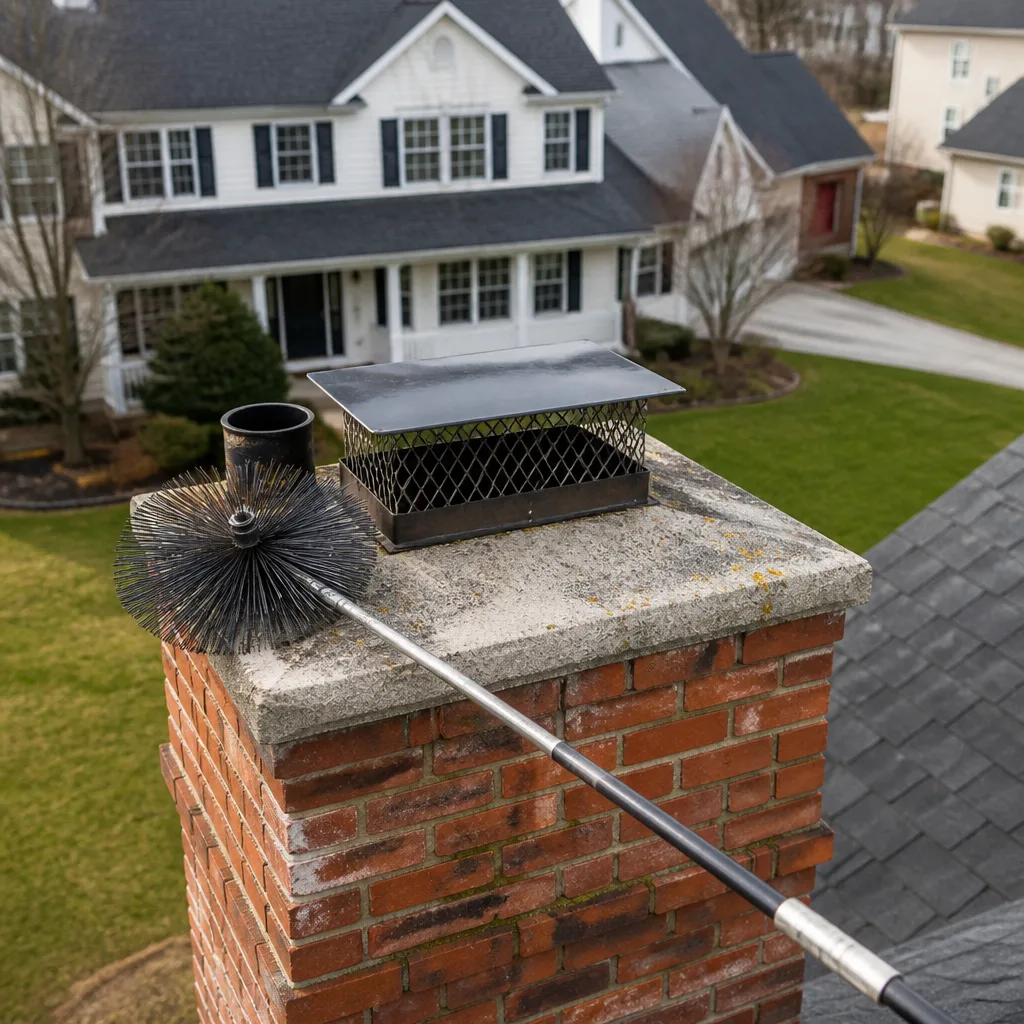
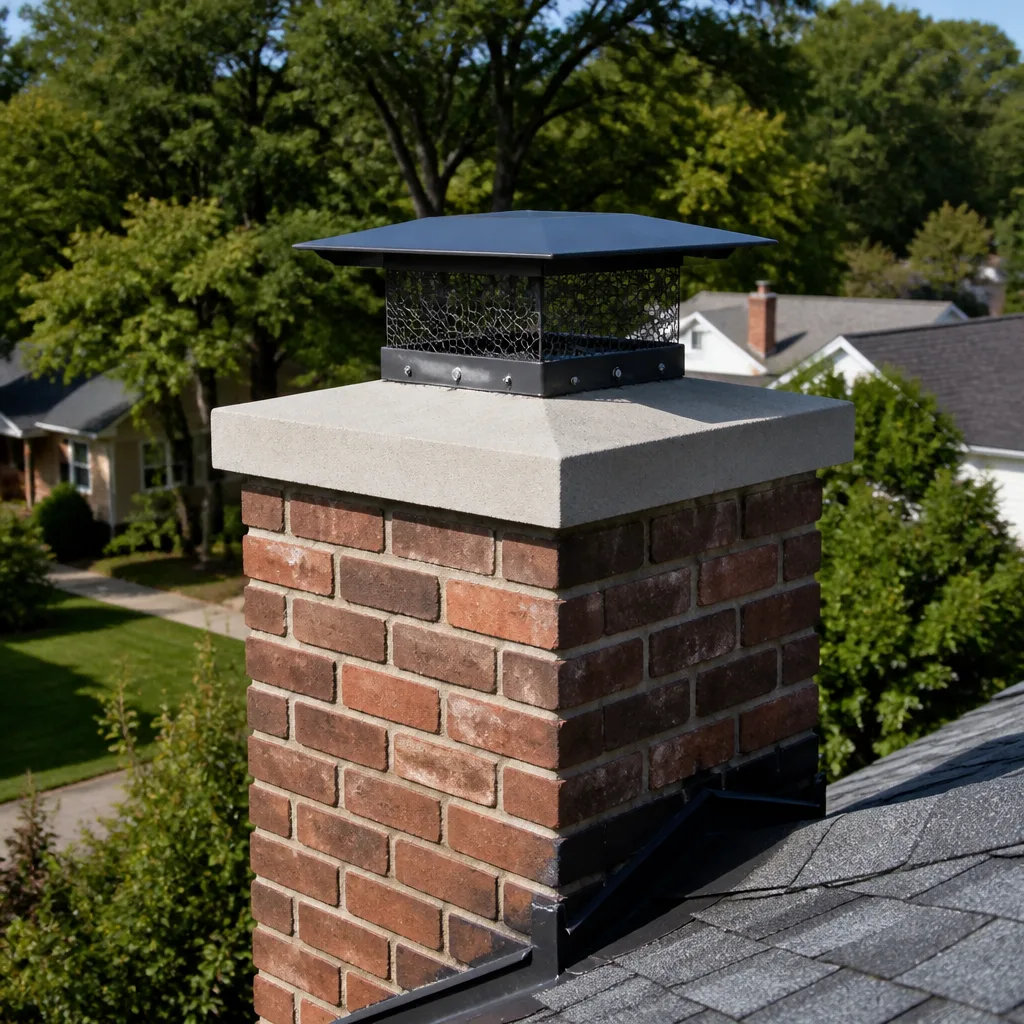
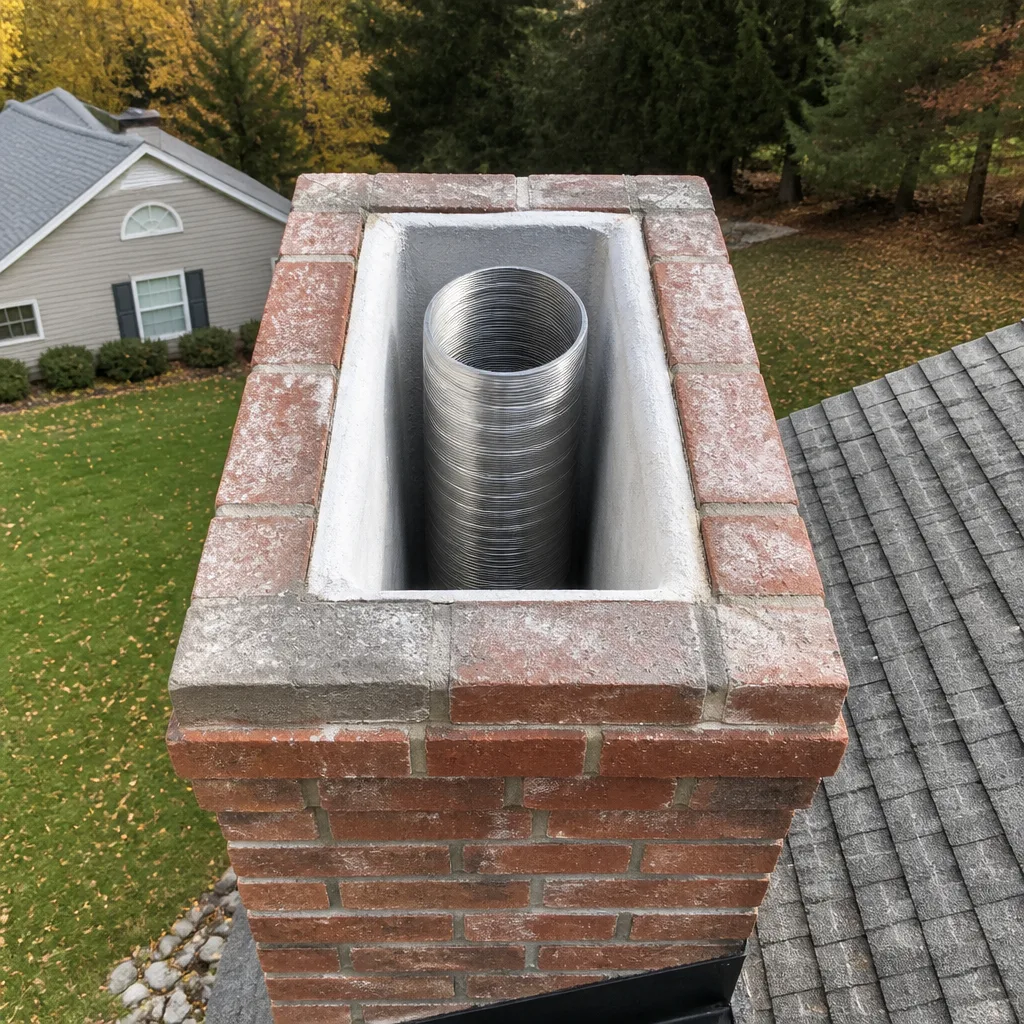
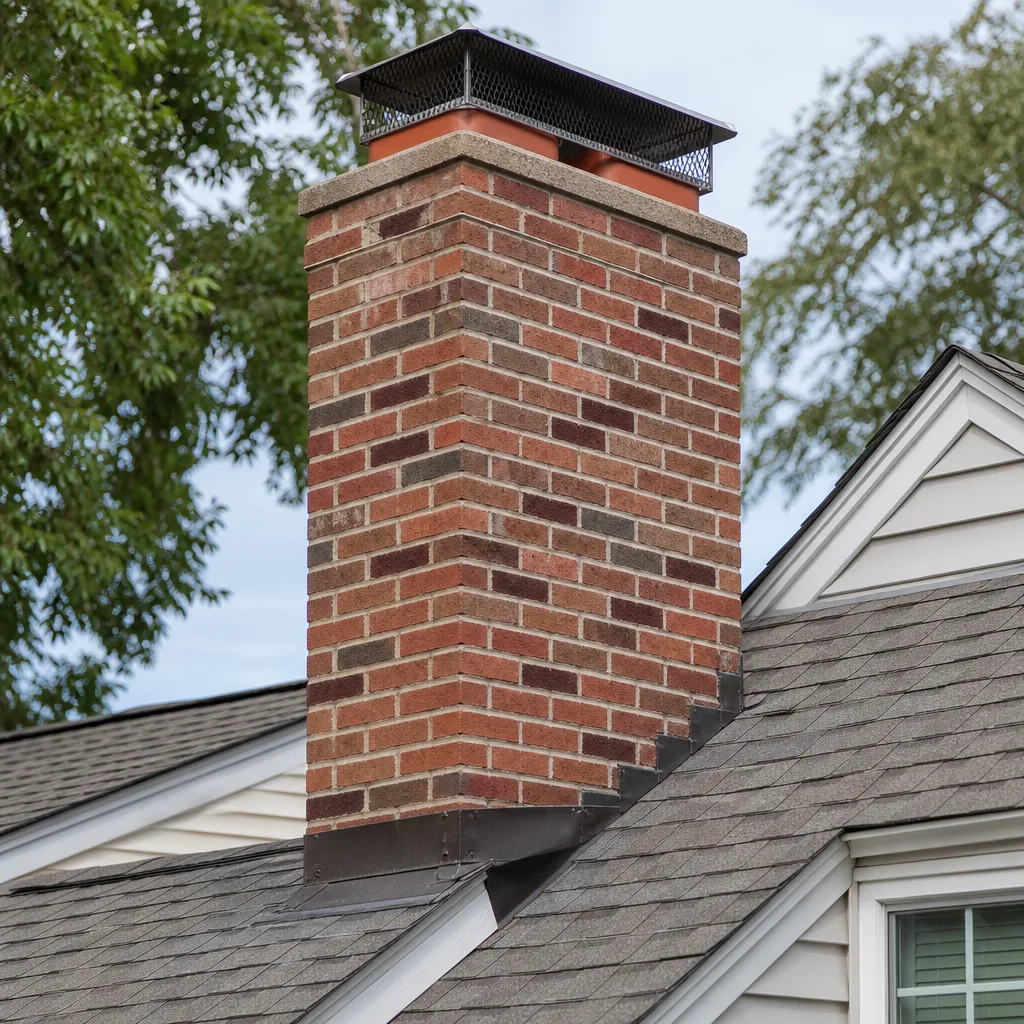
Level 1 sweep and inspection to the NFPA 211 annual standard - flue, crown, cap, and flashing checked and photographed
Chimney sweep logs do not sweep chimneys. They loosen some creosote - which then falls where a brush and vacuum still have to collect it.
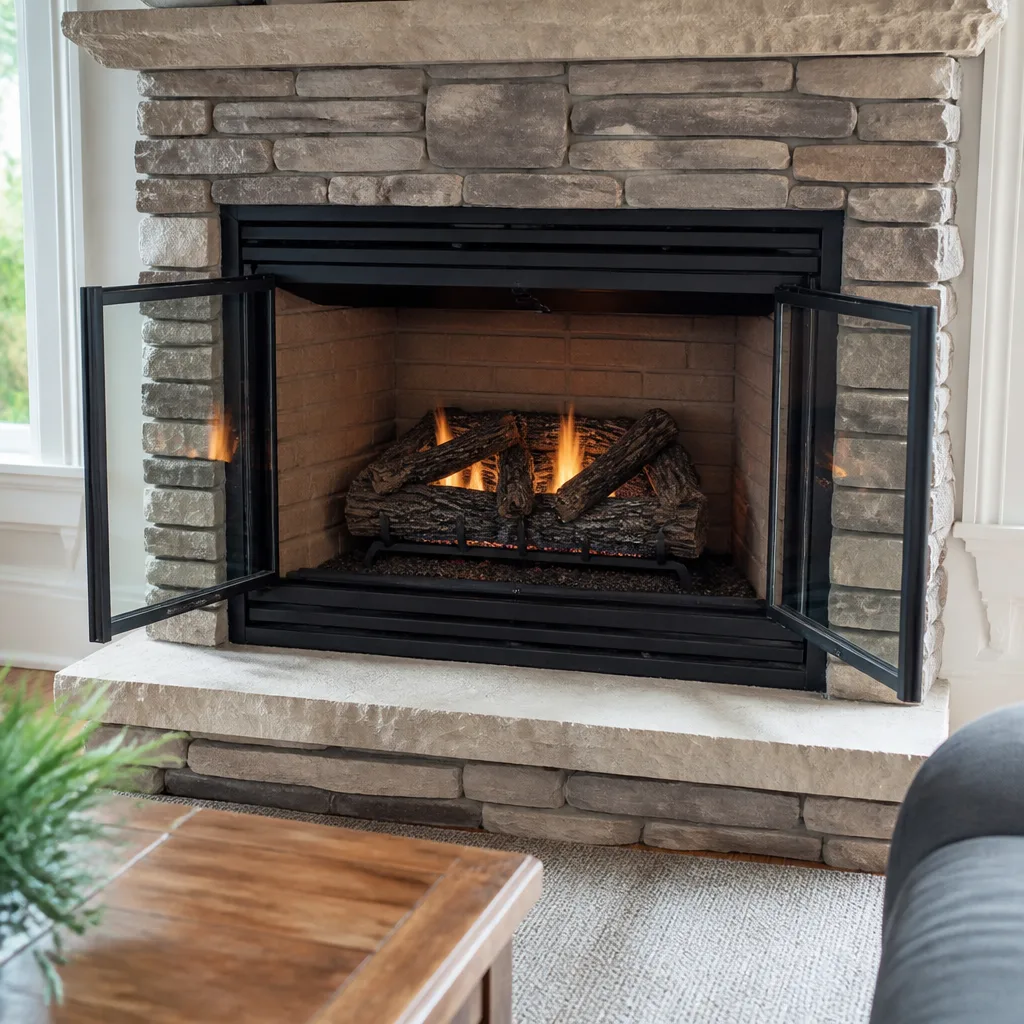
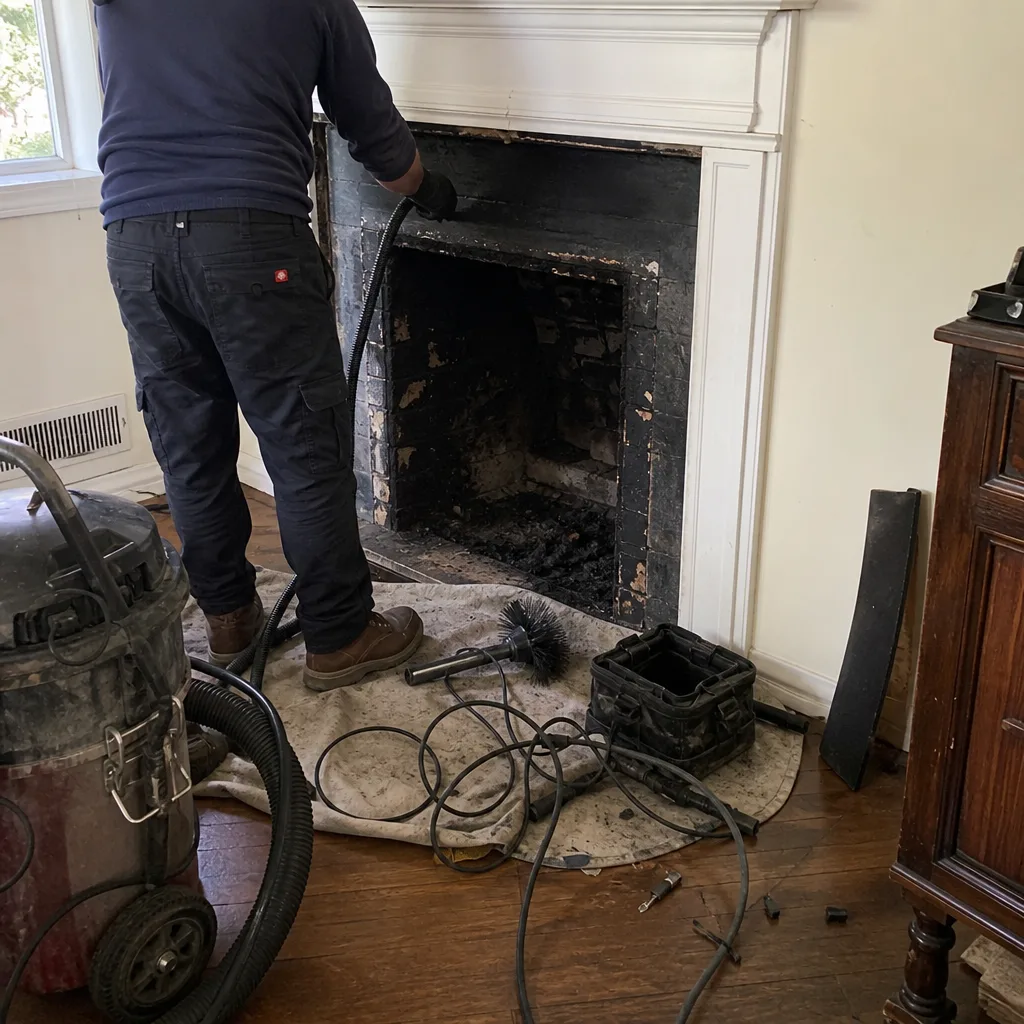 Before
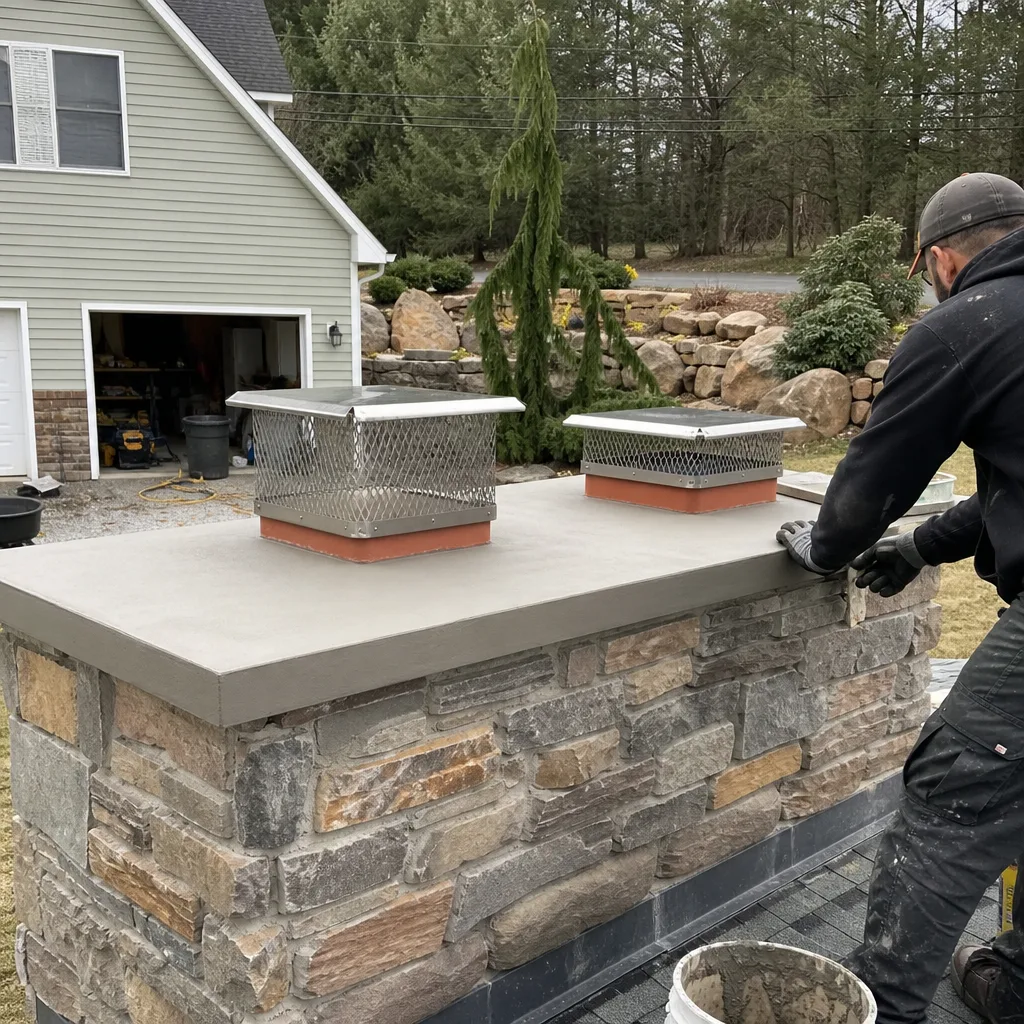 After
After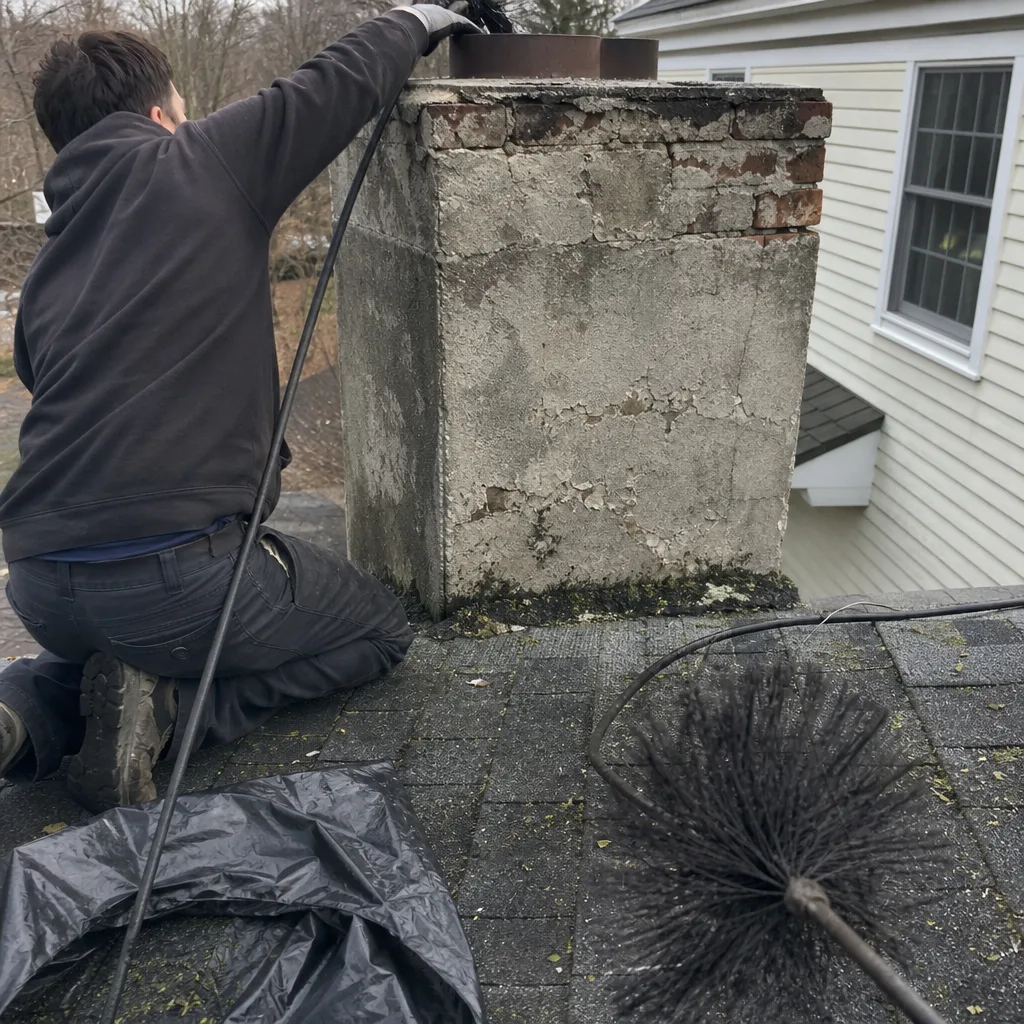 Before
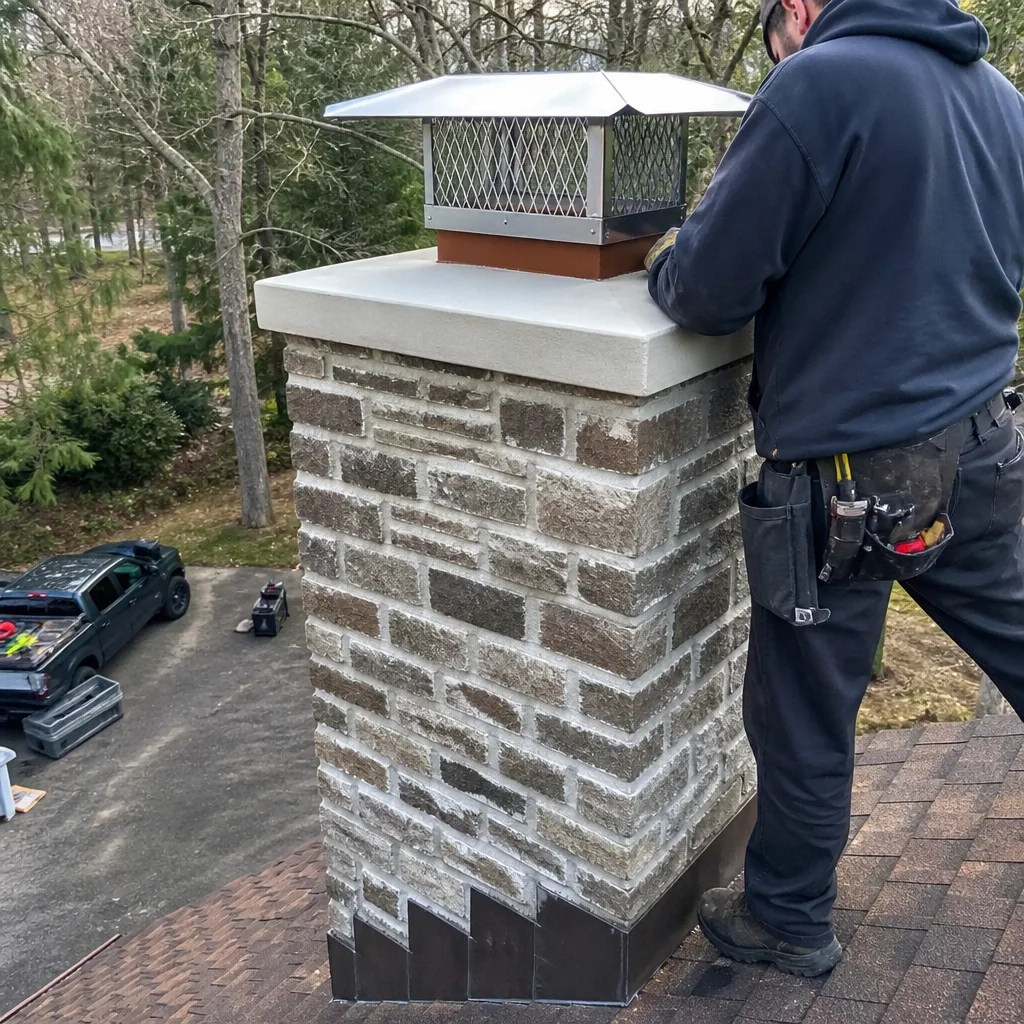 After
After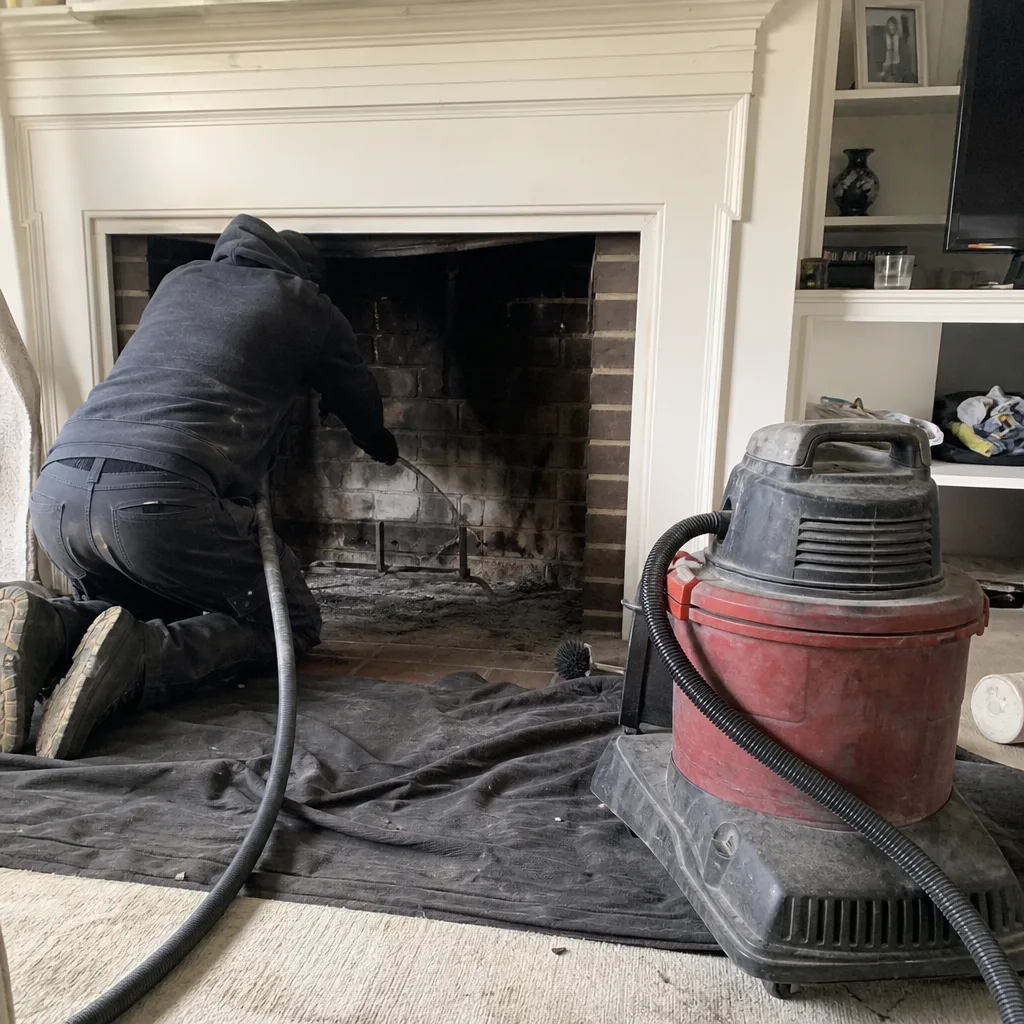 Before
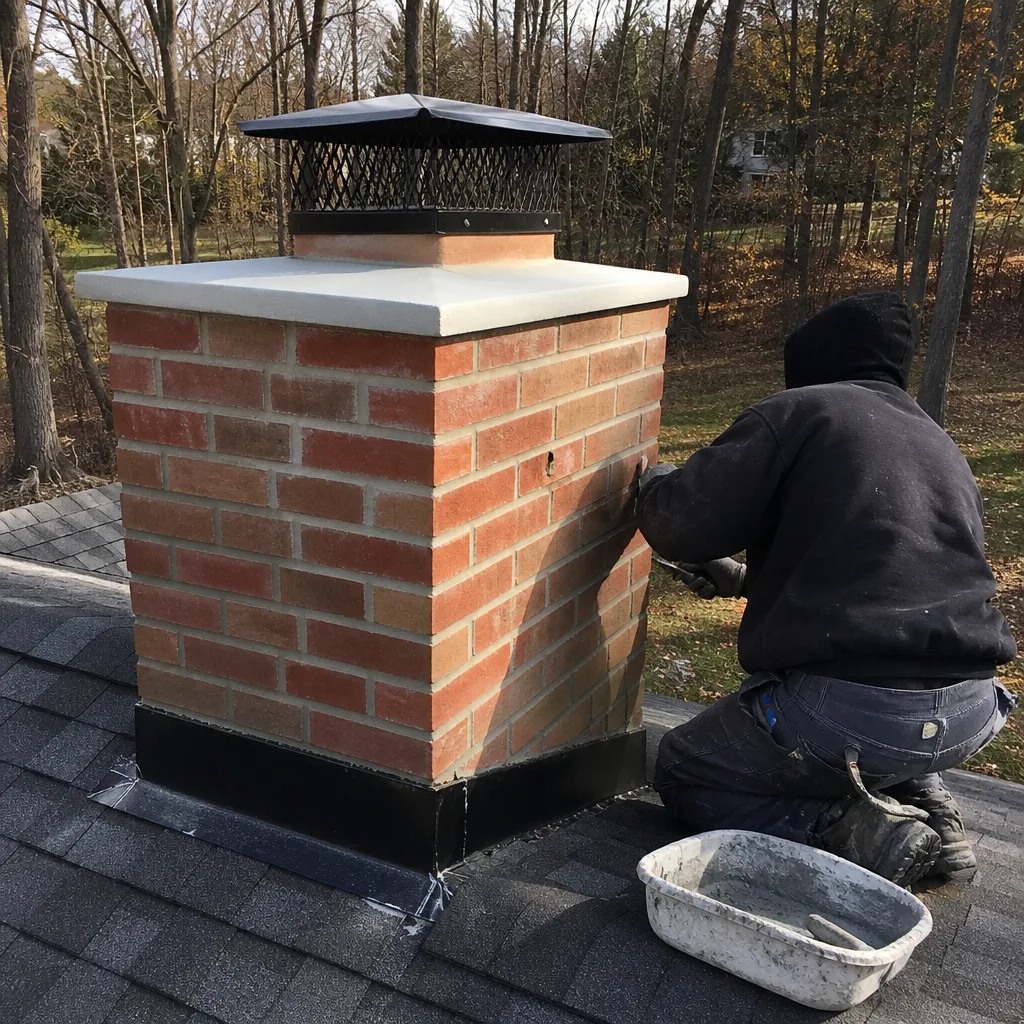 After
AfterHow to Hire a Chimney Cleaning Contractor in Westchester County: A Step-by-Step Guide
Three chimney companies operating in Westchester County have Better Business Bureau complaints filed in the last 24 months for price changes after arrival. None of them advertise that fact. The bait-and-switch is alive and well in our county: a low phone quote gets a tech in your driveway, then the upsell begins once they’re inside your living room. This guide shows you exactly how to screen that out before anyone shows up at your door, and you can find more guides & resources on our blog. You’ll learn which documents to demand, which phone phrases signal trouble, and how to read a quote so the price you hear is the price you pay.
Quick Answer
Hiring a chimney cleaning contractor in Westchester County comes down to four verifiable things: proof of New York State licensing and insurance before booking, a written quote with line items that can’t change after inspection, CSIA certification you can confirm online in 90 seconds, and a workmanship guarantee in writing. Call the number, ask for those four documents, and read the quote before anyone steps foot inside your house. If a company won’t produce them, keep dialing.
Table of Contents
- The Four Documents to Ask for Before You Book
- CSIA Certification: What It Actually Verifies and How to Check It
- The Phone Screen: Red-Flag Scripts vs. Straight Shooters
- How to Read a Chimney Quote Like a Contractor
- What a 90-Day Workmanship Guarantee Should Say in Writing
- What Makes Westchester County Chimneys Different
- Seven Warning Signs You’re About to Be Overcharged
- Questions to Ask Before You Sign Anything
The Four Documents to Ask for Before You Book
Before you give any chimney company your address, ask for four documents. Not promises. Documents. Each one verifies something specific about the person who will stand on your roof or kneel at your hearth, and legitimate contractors in Westchester County produce all four without hesitation.
- Proof of New York State licensing. New York does not have a single state chimney license, but many Westchester County municipalities require home improvement contractor licensing through the county’s Department of Consumer Protection. The license number should match the business name exactly as it appears on their paperwork. A picture of a license on a phone screen is not the same as a verifiable number. Write it down and check it against the county’s online license lookup before the appointment.
- Certificate of liability insurance. This is the one that protects your house if something goes wrong: a ladder through a window, a dropped tool through drywall, an injury on your property. Ask for a certificate of insurance (COI) with the company’s name on it, issued by the insurance carrier, not the contractor. Look for a policy period that covers your appointment date. In Westchester County, where homes sit close together in places like White Plains and New Rochelle, one slipping chimney brush can mean damage to a neighbor’s property too. The certificate tells you who pays.
- Workers’ compensation proof. If a sweep gets hurt on your roof without workers’ comp coverage, your homeowner’s insurance can be on the hook. Westchester County homeowners have learned this the hard way. The document to ask for is the workers’ comp certificate specific to New York State. Don’t accept “we’re covered” as an answer. Accept the certificate number.
- Current certification from a recognized industry body. CSIA (Chimney Safety Institute of America) is the most recognized, but other legitimate bodies exist, including the National Fireplace Institute. The point is that the technician, not just the company, holds verifiable training. Certification proves someone was tested on fire codes, clearances, and combustion safety, not just handed a brush on day one.
In our experience, honest companies send these documents before you ask twice. Companies that balk at any one of them are telling you something about how they will handle the next ten questions.
CSIA Certification: What It Actually Verifies and How to Check It
CSIA certification matters, but it’s not the only credential worth checking, and it’s easier to fake than you’d think. A company can print a logo on a flyer without having a single certified technician on staff. Here’s what CSIA actually means and how to confirm it in 90 seconds.
A CSIA-certified sweep has passed a written exam covering fire codes, chimney physics, and safety standards. They must recertify every three years through continuing education or retesting. The certification is tied to an individual’s name, not a company name. So when a contractor says “we’re CSIA certified,” the right follow-up question is: “Whose name is on the certification?”
Here’s the 90-second verification: go to the CSIA website, click the find-a-certified-sweep tool, and type in the technician’s name or the company name. The database is public and free. If the name doesn’t come up, the certification isn’t current. If the company deflects when you ask for the technician’s name, that’s a signal in itself.
One more thing on certification: it’s a floor, not a ceiling. A CSIA credential proves baseline competence. It doesn’t prove the person has spent years diagnosing Westchester County’s particular mix of older masonry chimneys, converted oil-to-gas flues, and damp Hudson Valley winters. That’s what a track record is for. Ask how many chimneys the sweep has cleaned in the county this year. A certified novice and a certified veteran with 25 years of local work are not the same hire.
The Phone Screen: Red-Flag Scripts vs. Straight Shooters
The first phone call tells you more than you’d expect. Companies that run bait-and-switch operations tend to sound the same. Straight shooters sound different. Here are the exact phrases to listen for.
Red-flag phrases that signal a bait-and-switch:
- “Your chimney sweep starts at just $49.” The word “starts” is doing a lot of work there. That price exists to get a body in your door. The actual bill rarely resembles it.
- “We’ll give you the exact price once the technician inspects.” Inspection matters, but the scope of a standard cleaning doesn’t shift wildly from house to house. A company that can’t quote a cleaning over the phone is hiding the real number.
- “While we’re there, we can take a look at your liner for free.” Free inspections are marketing costs. The money gets made on whatever the inspection finds. Ask yourself: who is paying for that free visit?
- “This special is only good if you book today.” Urgency is a sales tactic, not a safety strategy. A legit Westchester County chimney company will still be there next week.
- “We’re in your area tomorrow.” You didn’t mention your area. They don’t know your area. They’re in everyone’s area, every day, with a white van.
What a straight shooter sounds like:
- “A standard cleaning in Westchester runs between $180 and $340 depending on the chimney.” A range given without a technician visit. That’s honest pricing.
- “Here’s what we look for, here’s what we charge for each thing we might find.” Transparency before the appointment.
- “No, you don’t need a new liner based on what you’re describing. We’d need to see the camera footage first.” A company that talks you out of unnecessary work before it sees the chimney is one that will be honest after it does.
- “The price I’m quoting is the price on the invoice.” A number that doesn’t move.
Trust the company that asks questions about your chimney before it asks for your credit card. Wendell has answered thousands of these calls himself in Westchester County, and the honest ones always start with questions about the house, not the discount.
How to Read a Chimney Quote Like a Contractor
A written quote is only as good as its line items. Contractors who plan to raise the price later write quotes that leave room to do it. Here’s how to read one so you know which numbers are fixed and which are “subject to change after inspection.”
- Look for the words “subject to.” A quote that says “sweep service: $89, subject to chimney condition” is not a $89 quote. It’s an invitation. The fixed price is the number without a qualifier attached. If a quote has three line items and two say “subject to inspection,” ask for a worst-case number in writing before the appointment. Any company that won’t give it is planning to use it.
- Check that the chimney’s actual condition is reflected. If you told them on the phone that your chimney is 30 years old and hasn’t been swept in five years, the quote should anticipate a heavy creosote situation. A quote that assumes “normal soot, light glaze” when you already described heavy buildup is underbidding the work. The price will jump.
- Line items should be specific. “Cleaning and inspection” is vague. “Remove first-degree creosote from flue via rotary brush, vacuum all debris from smoke chamber and firebox, install and seal cleanout door, camera inspection with photo report” is a quote you can hold someone to. Specificity is the difference between a bid and a guess.
- Verify the warranty line. If the quote says “all work guaranteed” without saying for how long, get the duration in writing on the quote itself. Verbal promises walk away.
- Confirm the ticket price matches across all documents. The phone quote, the email estimate, and the invoice should all read the same number. If the invoice comes in higher and the increase wasn’t justified by something you saw with your own eyes on camera footage, that’s a dispute, not a payment.
The companies that operate honestly in Westchester County have no reason to write vague quotes. The ones that plan to upsell you have every reason to.
What a 90-Day Workmanship Guarantee Should Say in Writing
A verbal promise is worth nothing if something goes wrong. A workmanship guarantee needs to be in writing, and it needs to say specific things. Here’s what a real 90-day guarantee looks like on paper, based on the one we stamp on every job. It’s not the only version of honest, but it’s a useful yardstick.
- What’s covered. The guarantee should name the work: the sweep, the repair, the liner installation. “Workmanship” means the contractor stands behind the quality of labor and materials they installed. Not the chimney’s underlying condition. Not the weather. The work.
- What triggers it. “If the work is not done right, one call brings the contractor back.” Straightforward. The guarantee should not require a debate, a committee review, or a second inspection fee to trigger.
- What it costs you. Zero. A real guarantee is “no additional cost to you.” If the fine print says “customer pays a service fee for warranty visits,” that’s not a guarantee. That’s a subscription.
- The time period. 30 days is a start. 90 days covers a full season of use, including the first few fires of fall in Westchester County when a problem will show up. A year is better. Five years is unusual for a sweep but reasonable for a liner. Anything shorter than 30 days is a company planning to forget you.
- Who does the fix. The same company, not a subcontractor. If a guaranteed job goes wrong and the original contractor sends someone else to fix it, you’re getting a second contractor’s work quality with the first contractor’s name attached.
Here’s the 90-Day Done Right Promise in plain terms: if the work isn’t right, one call brings Wendell back at no additional cost. That’s the sentence your contractor should be able to write on your quote without flinching. If they won’t, ask why.
What Makes Westchester County Chimneys Different
Westchester County chimneys deal with conditions that a national franchise’s training video doesn’t cover. The homes here run older, the weather runs wetter, and the flues have often been through three or four heating systems since they were built. A sweep who has worked the county for decades has seen patterns a new crew won’t know to look for.
The biggest factor is the Hudson Valley climate. Freeze-thaw cycles do real work on masonry chimneys. Water gets into hairline cracks in the crown or the brick face, freezes, expands, and widens the crack. Repeated across enough winters, what starts as a cosmetic line becomes a structural problem. Chimney crowns and caps in places like Yorktown and Somers take a beating that sun-belt flues never see. When you’re hiring a sweep in Westchester County, you want one who asks about your crown and flashing, not just your creosote.
Fuel conversions matter here too. Thousands of Westchester County homes were built for oil heat and later converted to gas. That’s not a problem by itself, but the conversion changes what an old masonry flue is asked to do, and not every old flue handles it well. A sweep who knows the local housing stock knows to ask whether your boiler’s been converted and when. That’s the difference between a cleaning and an actual assessment of the system.
Finally, Westchester County has its own municipal requirements. Some towns and villages require permits or inspection records for certain chimney work; see Chimney Cleaning Permits, Codes & Inspections in NY: What You Need to Know for details, and licensed contractors know which ones apply. A day laborer with a brush doesn’t. Ask your contractor which local requirements apply to your job. If the answer is “none” without a pause, get a second opinion.
Seven Warning Signs You’re About to Be Overcharged
- The phone quote is suspiciously low. A $49 sweep in Westchester County exists to get a salesperson in your living room. The real number comes later.
- The company can’t provide a license number that checks out. You called the county to verify. It came back different, expired, or nonexistent. That’s the end of the conversation.
- The technician won’t show you camera footage. Modern chimney cameras are standard equipment. If the sweep tells you your liner is cracked but “didn’t capture the footage,” you’re being asked to take an expensive thing on faith. Don’t. The camera footage and a plain-English verdict, every time, no exceptions.
- Everything becomes urgent. “You have a level three creosote. This needs to be fixed today.” Real chimney problems are usually weeks or months old by the time they’re found. Urgency is manufactured to prevent comparison shopping.
- The price changes between phone and door. This is the one to walk away from. No exceptions in Westchester County.
- The company has no Westchester County address. A P.O. box, a neighboring state, a website with no physical location. You want a company with a published address and a real person whose name is on the work. Someone who runs into you on Saturday at the hardware store.
- They won’t give you the warranty in writing. If the guarantee can’t survive being written down, it’s not a guarantee. It’s a vibe.
Questions to Ask Before You Sign Anything
Print this list. Ask every company the same questions and write down the answers. The contrast tells you what you need to know.
- Whose name is on your license, and what’s the number? Then verify it.
- Can you send me your certificate of insurance before the appointment? Then read it.
- Is your technician CSIA certified? What’s the technician’s name? Then check the CSIA database.
- What’s your fixed price for a standard cleaning in my area? Ranges are fine. Silence is not.
- What does your guarantee say in writing, and for how long? Get the exact sentence.
- Do you use a camera inspection and show me the footage? If the answer isn’t yes, keep looking.
- What’s your street address in Westchester County? Not a P.O. box. An address.
Ask anyone on your street. Westchester County neighborhoods talk, and the same few names come up when you ask who treated people fairly. In a county this size, reputation travels block by block. Use it.
Common Mistakes to Avoid
- Hiring on price alone. The cheapest sweep in Westchester County is often the most expensive one by the time the upsell is done. Fair is one thing. Suspiciously low is another.
- Skipping the document check. Asking for a license and insurance certificate takes five minutes. Not asking can cost five figures if an uninsured worker gets hurt on your property.
- Trusting a verbal warranty. If it isn’t written on the quote, it doesn’t exist. A handshake is neighborly; a written guarantee is enforceable.
- Letting the technician work before the price is set. Once the tools come off the truck, the negotiation is over. The number you hear on the phone is the number on the invoice. If that isn’t true, don’t open the door.
- Believing you need work you can’t see. No camera footage, no fix. A broken liner is a real thing, but so is a technician who tells you it’s broken because the commission is good. Your flue doesn’t care how the fire looks. It cares how it breathes.
- Waiting until November to book. Westchester County sweeps book up fast when the weather turns. Book in late summer or early fall and you’ll get your choice of appointment. Book in November and you’ll take whoever has a slot.
- Ignoring the chimney until it smokes. Once a year, burn or no burn. Chimneys break in the off-season too, and a quiet inspection in July is cheaper than an emergency in January.
When to Call a Professional
Some jobs are DIY. Chimney work isn’t one of them. Call a professional when you see soot falling into the fireplace, when you smell smoke inside the house on still days, when you see white staining on the exterior brick (that’s water working its way through the masonry), or when you hear the flue the appliance doesn’t sound right. First-degree creosote is a brush job. Third-degree is a glaze; catch it early. Call a professional when your chimney hasn’t been inspected in over a year, even if you haven’t burned. And call one immediately if you’re planning to use a fireplace in a home you just bought and you can’t find the last sweep’s report. Top Hat Chimney offers free estimates in Westchester County: call (914) 537-6479. Wendell will answer, or the person who does will know his name and when he’ll call you back.
Frequently Asked Questions
A standard chimney cleaning in Westchester County typically costs between $180 and $340 depending on the chimney’s size, condition, and the amount of creosote buildup; see our Chimney Cleaning Cost Breakdown: The Westchester County Homeowner’s Reference for 2026 for a full breakdown. Factors like roof pitch, chimney height, and whether the flue has been converted from oil to gas all affect the final number. Call (914) 537-6479 for a fixed quote before any work begins; the number we give you on the phone is the number on the invoice.
Start with the Westchester County Department of Consumer Protection’s online license lookup, then confirm the company’s liability insurance and workers’ comp certificates are current by calling the issuing carrier directly. A legitimate company hands you the documents and invites you to check them. A company that hesitates is telling you something.
Once a year, burn or no burn. The National Fire Protection Association recommends an annual inspection, and Westchester County’s wet freeze-thaw cycles mean water damage accumulates even when the fireplace sits unused from April to October. A yearly check catches glaze before a brush won’t move it and crown cracks before they become rebuilds.
Creosote builds up in the flue, and creosote is flammable. Enough buildup narrows the passage and restricts airflow, which pushes smoke and carbon monoxide back into the house. A chimney fire can crack a liner or spread to the roof structure. The risks are specific and documented, not vague warnings. An annual sweep is the cheapest insurance on the house. Call (914) 537-6479 and we’ll get you on the calendar before burning season.
Sometimes yes, often no. A cracked or deteriorated liner is a genuine safety issue that needs fixing, but in our experience in Westchester County, more than a few homeowners have paid for a new liner when the old one had years of life left. The only way to know is to look at the camera footage. We use camera inspection from brands like HeatShield and Copperfield to show you exactly what we see, no exceptions.
Ask for the license number and verify it, ask for the insurance and workers’ comp certificates, ask whose CSIA certification covers the appointment, ask for a fixed price in writing before the work starts, and ask what the guarantee says in writing. A company that answers all five without hesitation is one you can hire. A company that deflects on any of them should hear you hang up.
The Bottom Line
Hiring a chimney cleaning contractor in Westchester County is not about finding the lowest number. It’s about finding a licensed, insured, certified sweep who gives you a fixed price in writing, shows you camera footage of anything they recommend, and stands behind the work with a guarantee you can hold in your hand. The companies that bait-and-switch count on you not asking for documents, not reading the quote, and not demanding the warranty in writing. Ask for all three and the bad operators eliminate themselves. The good ones welcome the questions. That’s how you tell the difference before anyone ever steps inside your house.
Written by Wendell Pike, Owner at Top Hat Chimney, serving Westchester County since 1999.