
Last updated September 10, 2026
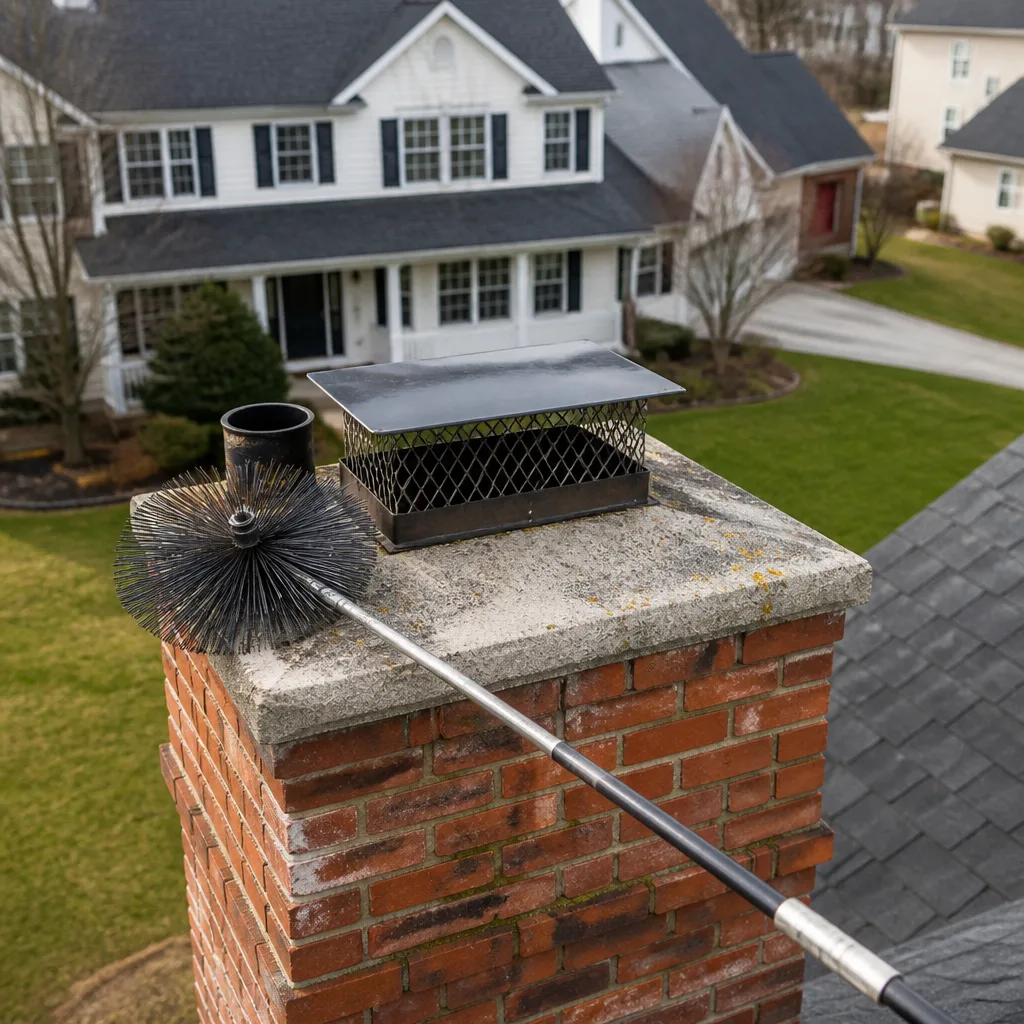
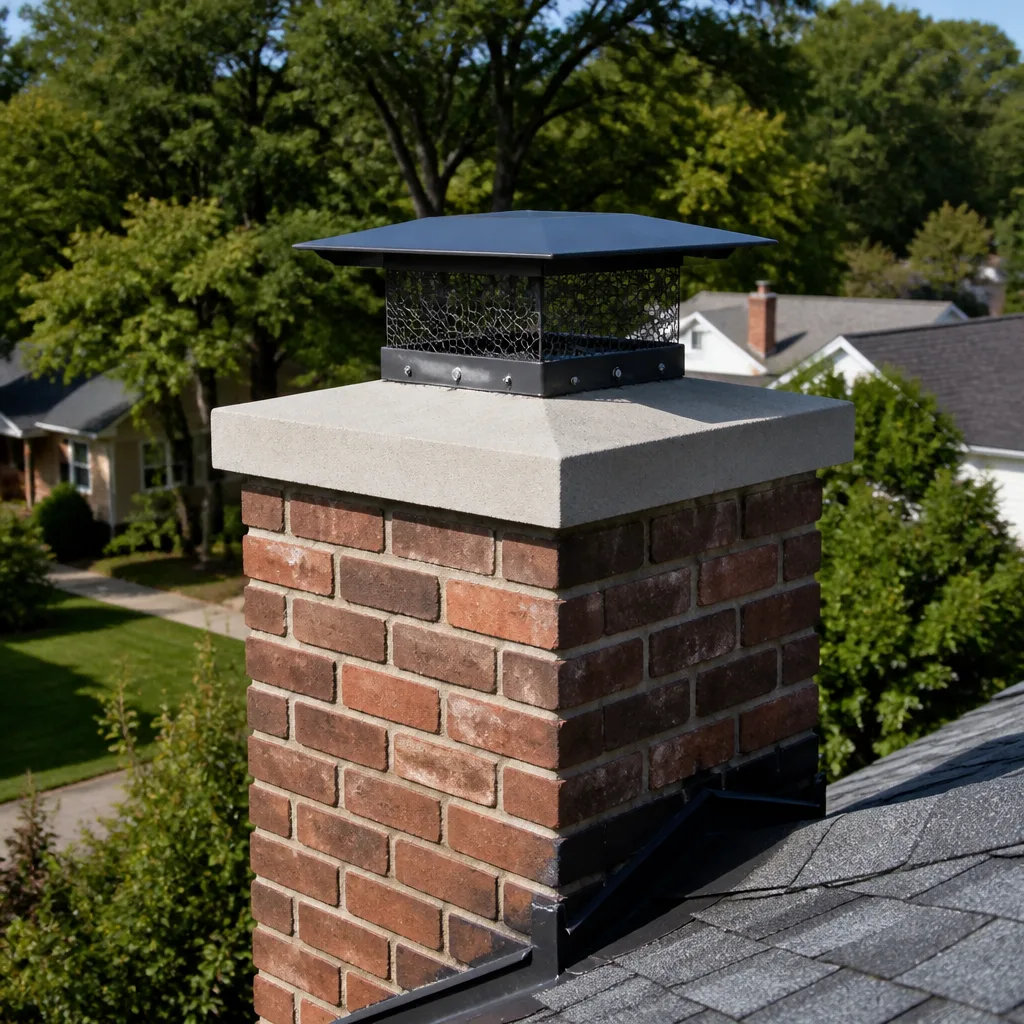
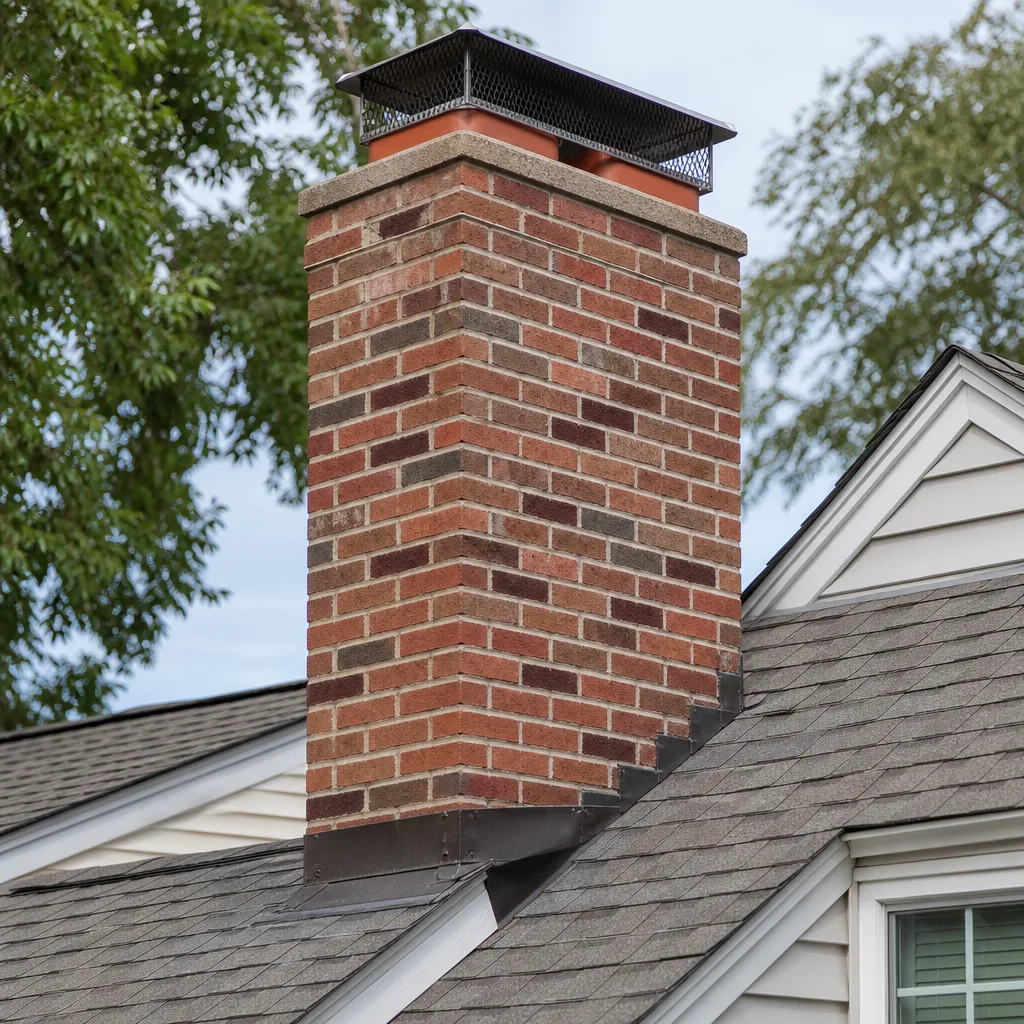
Level 1 sweep and inspection to the NFPA 211 annual standard - flue, crown, cap, and flashing checked and photographed
Chimney sweep logs do not sweep chimneys. They loosen some creosote - which then falls where a brush and vacuum still have to collect it.
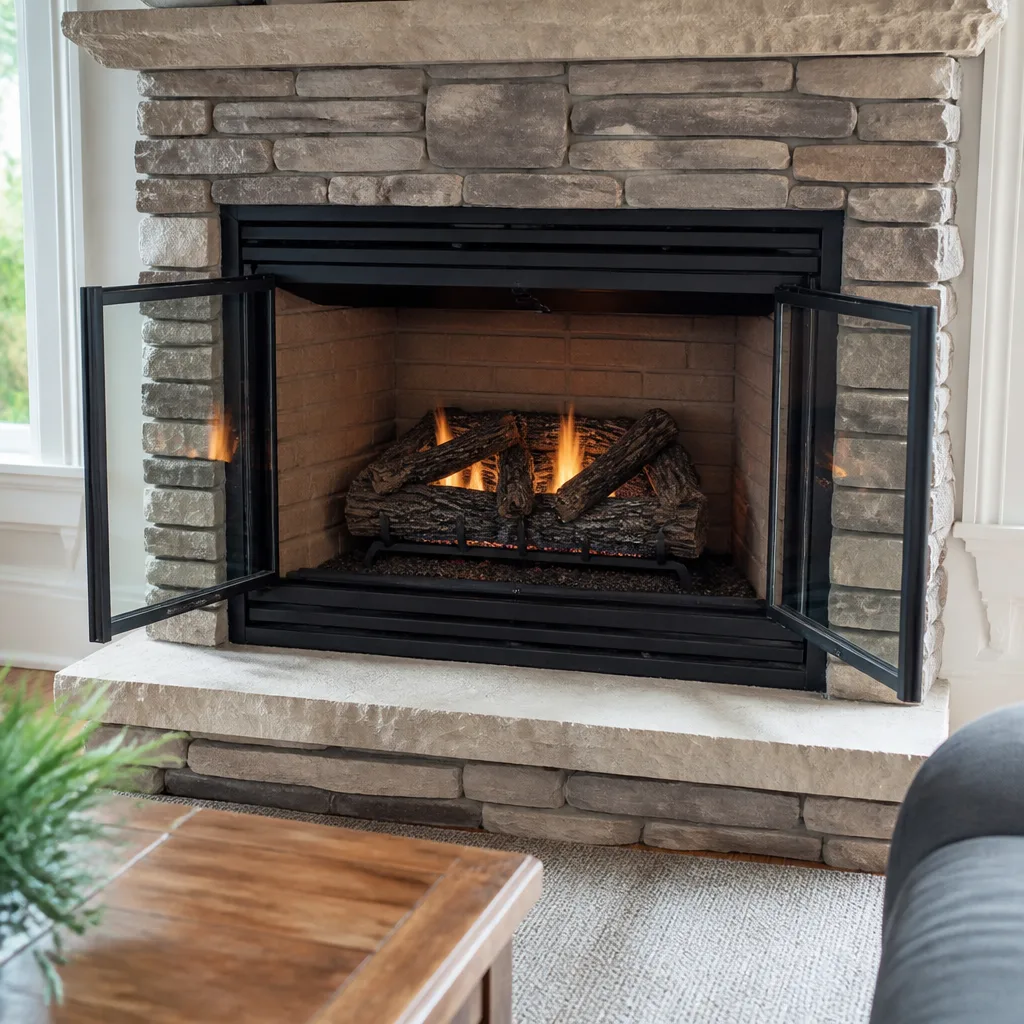
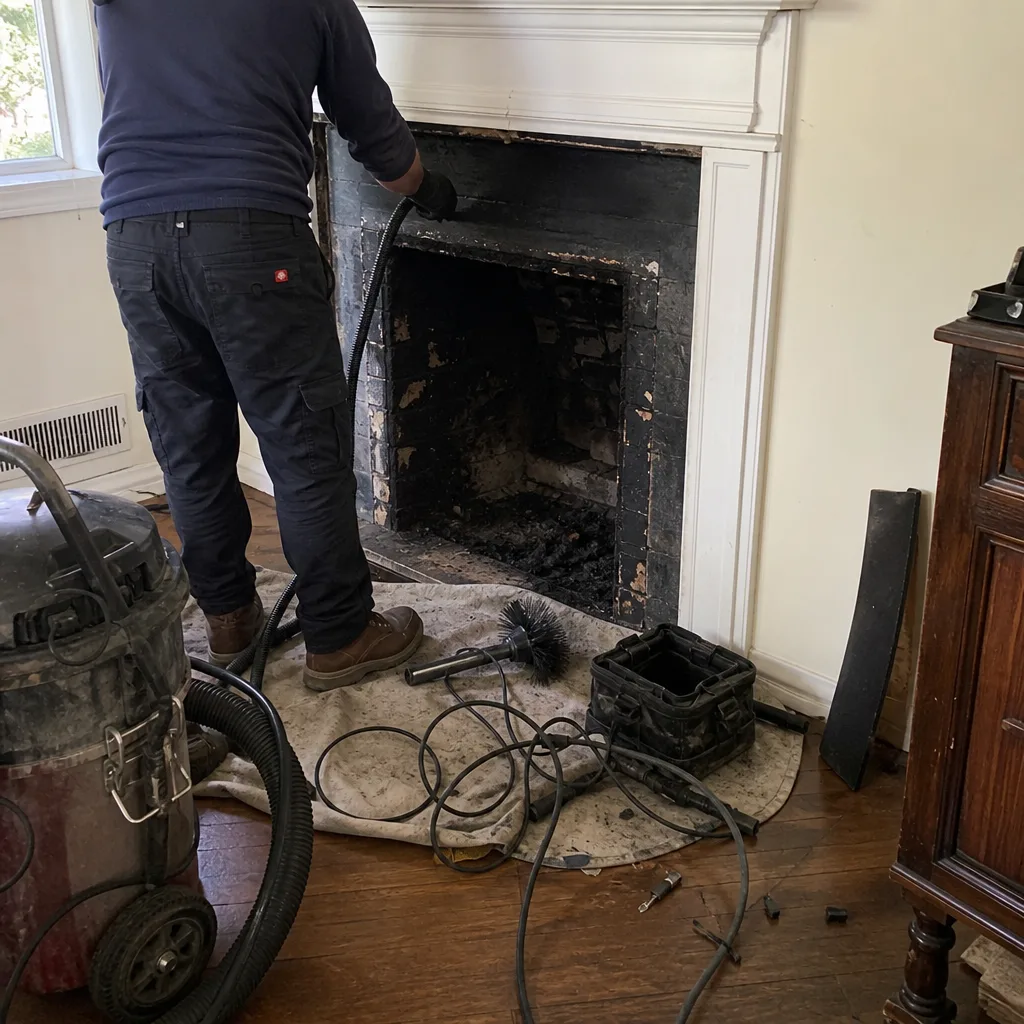 Before
 After
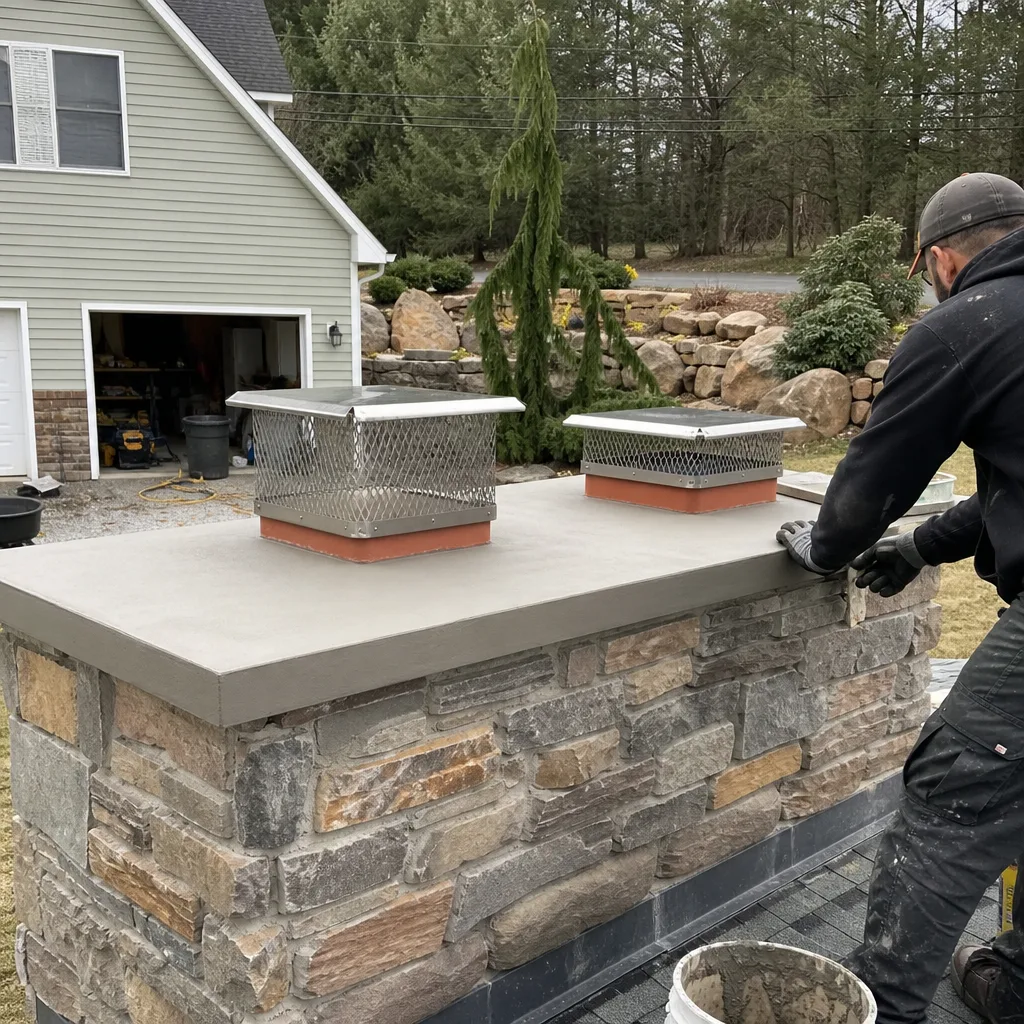
After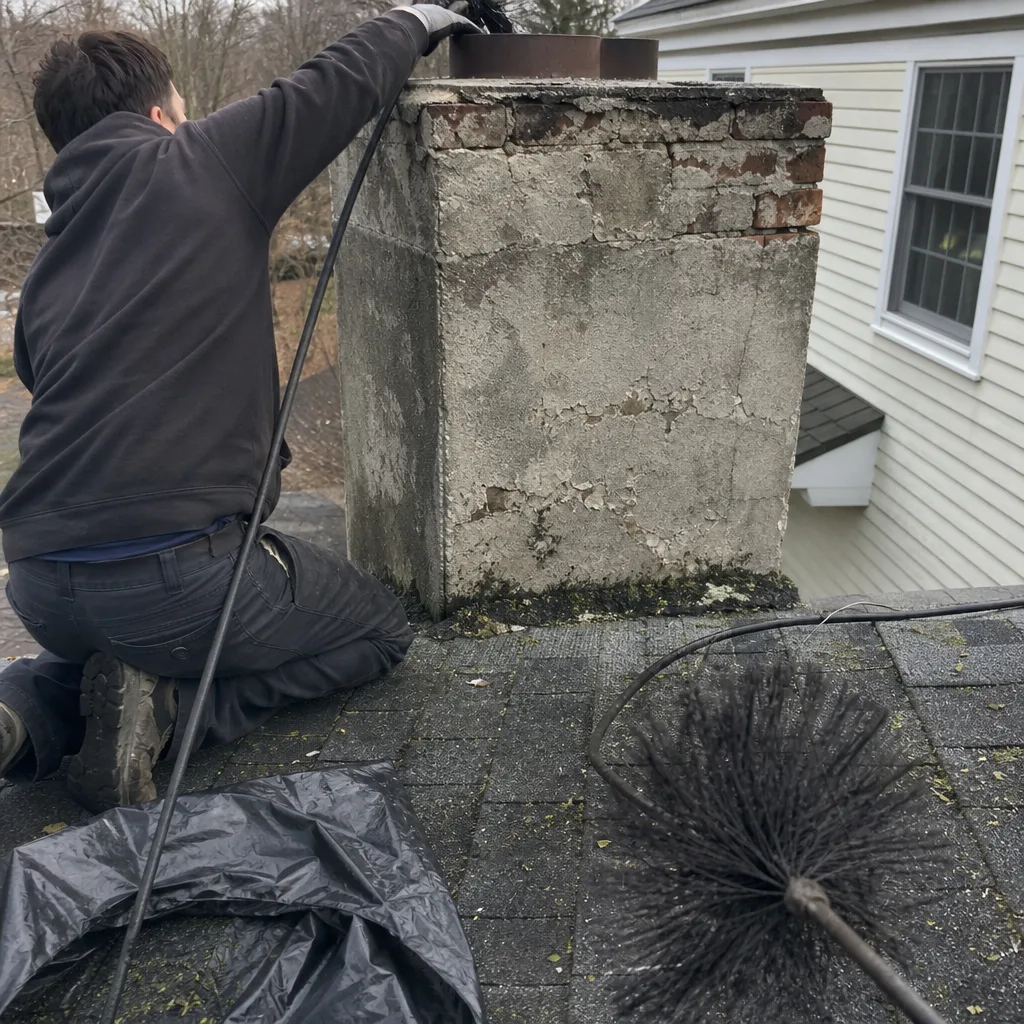 Before
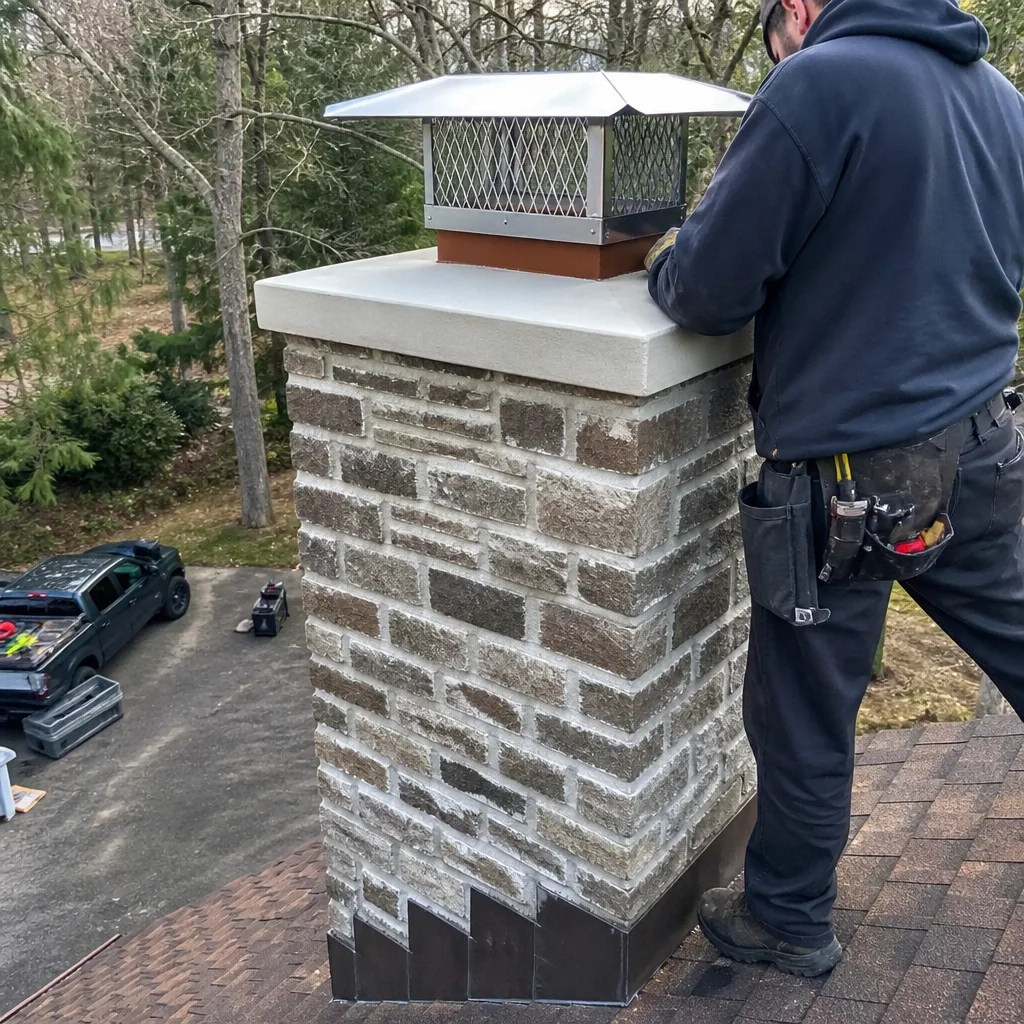 After
After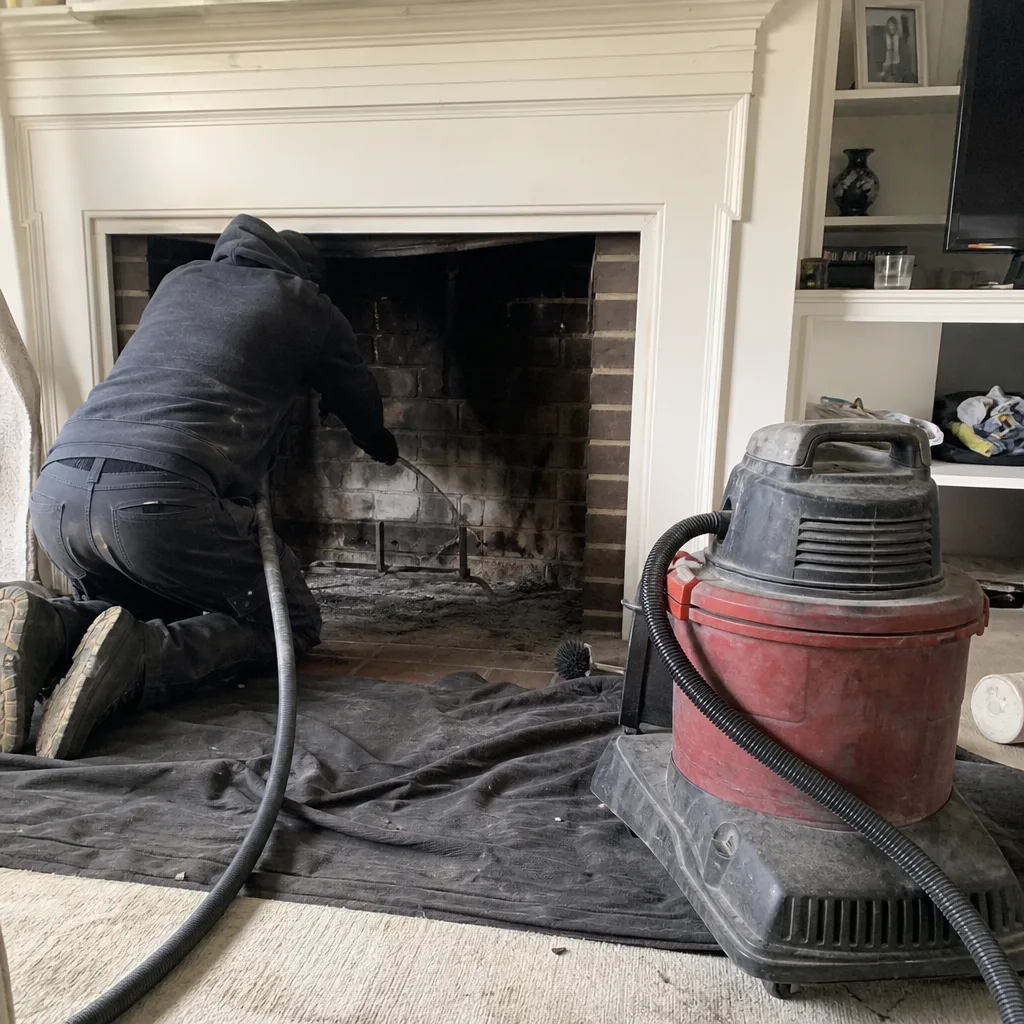 Before
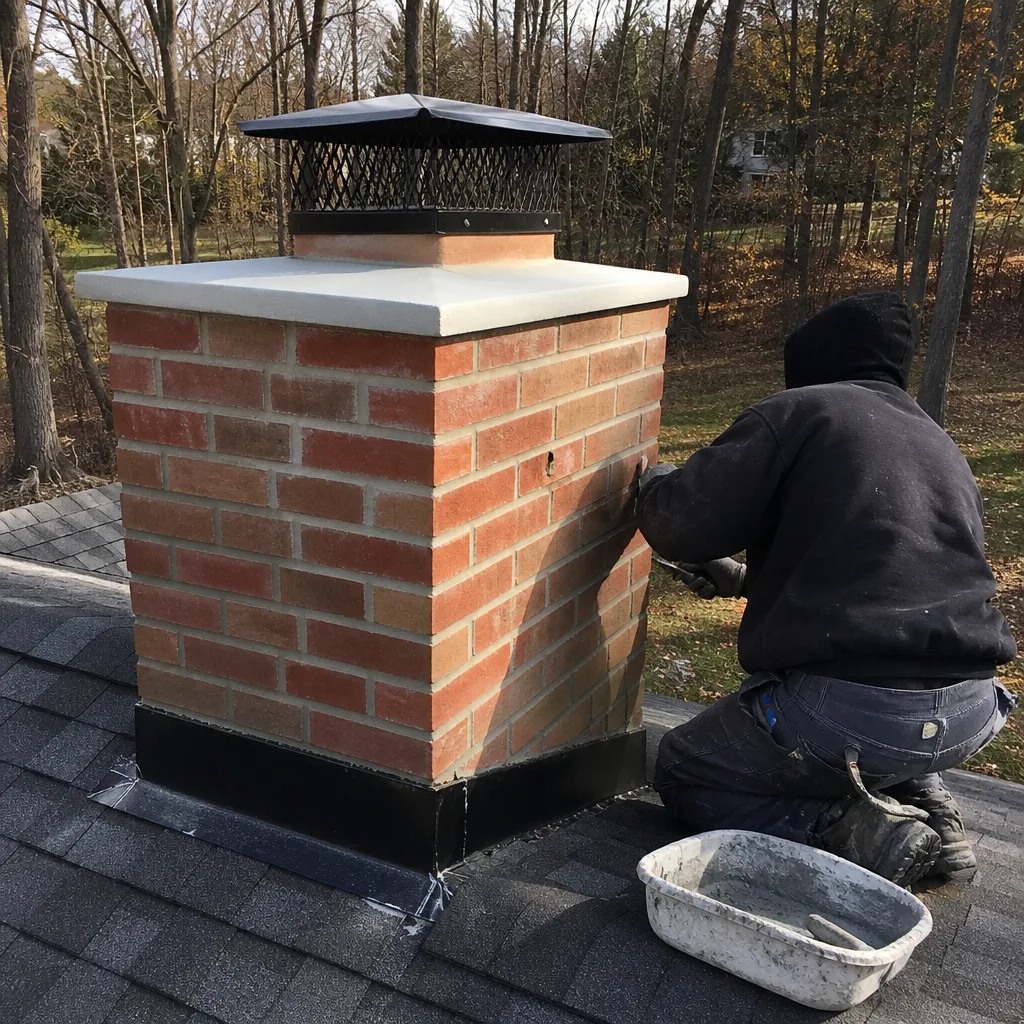 After
AfterChimney Cleaning Warning Signs: A Westchester County Homeowner’s Reference Guide
That fireplace smell in August isn’t normal, and it isn’t just “old house.” It’s downdraft pulling creosote odor back through a flue that was never cleaned after last season. In Westchester County, where homes range from 18th-century fieldstone colonials in Bedford to mid-century ranches in Yorktown Heights, chimney problems announce themselves in ways most homeowners misread as drafts, allergies, or just the house settling. This guide connects those dots so you catch problems early, before a $300 sweep becomes a $3,000 liner job or worse. For a deeper dive into prevention, see our Complete Guide to Chimney Cleaning in Westchester County.
We’ve been inside more Westchester County chimneys than we can count since 1999, and the pattern is always the same: most of the warning signs show up indoors, not on the roof. You’ll learn what to look for in your firebox, what smells mean what, which sounds are harmless and which aren’t, and when a stain on your wall is actually your chimney talking to you.
Quick Answer
The most common chimney cleaning warning signs in Westchester County homes are a persistent fireplace odor in warm weather, visible dark creosote buildup in the flue or firebox, smoke entering the room during use, white staining on exterior brick, and unusual sounds from the chimney. If you notice any of these, schedule a professional chimney sweep and inspection before your next fire. A cleaning typically costs $199 to $375 in Westchester County, depending on the flue type and condition.
Table of Contents
- The August Smell: When Your Fireplace Talks in Summer
- Draft vs. Cap vs. Liner: Three Problems That All Look Like “Smoke in the House”
- Understanding Creosote: The Different Stages and What They Mean
- White Staining on Brick: Reading Efflorescence as a Moisture Timeline
- Ticking, Popping, Scratching: Which Chimney Sounds Are Normal
- Gas Fireplace Warning Signs: The Sulfur and Asphalt Smell Emergency
- Inside the Firebox: Soot Patina vs. Active Damage
- Common Mistakes to Avoid
- When to Call a Professional
- Frequently Asked Questions
The August Smell: When Your Fireplace Talks in Summer
Here’s the thing about chimney odor that surprises most homeowners: your flue doesn’t care how the fire looks. It cares how it breathes. When you close your damper in April and forget about the fireplace until October, you’ve trapped whatever accumulated in that flue all winter inside a warm, humid column of air. In Westchester County’s humid summers, that damp air mixes with creosote deposits and produces the musty, acrid, or tar-like smell you notice in August.
The smell itself is a timeline. If you notice it only on humid days, the creosote layer is probably still thin, first-degree buildup that a basic brush cleaning will handle. If the odor is constant and strong enough that guests ask about it, you’re likely looking at second-degree creosote that’s absorbed into the flue liner surface. If the smell has a sharp, campfire-like bite even when the air is dry, that’s often the sign of third-degree glazing that requires mechanical removal or a liner evaluation.
What to do: Don’t light a fire to “burn off” the smell. That’s how chimney fires start. Instead, schedule a cleaning before your first burn. A sweep can tell you within five minutes whether you’re dealing with a simple brush job or something that needs more attention. In our experience across Westchester County, maybe six out of ten summer odor calls turn out to be routine cleanings that homeowners could schedule with a pro rather than attempting themselves. The other four reveal cracked flue tiles, missing caps, or animal nests that were making the problem worse.
One more note on summer odor: if you have a top-mount damper, make sure it’s actually closing. We’ve seen plenty of Westchester homeowners who installed top-mount dampers and assumed they sealed completely. They don’t always. A small gap lets humid air circulate through the flue all summer, continuously reactivating that creosote smell.
Draft vs. Cap vs. Liner: Three Problems That All Look Like “Smoke in the House”
Smoke entering your living room during a fire is alarming, but the cause isn’t always what people assume. In Westchester County, where many homes sit on wooded lots or in valleys, wind patterns create pressure differences that play havoc with chimney draw. Here’s how to tell three different problems apart, because each has a different fix and a different price tag.
A draft problem means the chimney isn’t pulling air up fast enough. You’ll notice smoke curling into the room when you first light the fire, especially on mild days when the temperature inside the flue is close to the temperature outside. Cold flues are lazy flues. The fix might be as simple as preheating the flue with a rolled newspaper before lighting, or it could require a chimney fan or flue extension if your roofline is affected by nearby trees or hills. In places like Chappaqua and Mount Kisco, where homes sit in wooded valleys, draft problems are common even in well-maintained chimneys.
A cap problem is different. If your chimney cap is missing, clogged, or the wrong size, rain and downdrafts enter the flue directly. You’ll often see water staining around the firebox, hear wind noise in the chimney during storms, or find debris in the firebox. A missing cap in Westchester County is an open invitation to raccoons and squirrels, who see a dark vertical shaft as premium real estate. The fix is usually straightforward: install or replace the cap, clear any debris, and verify the draft afterward.
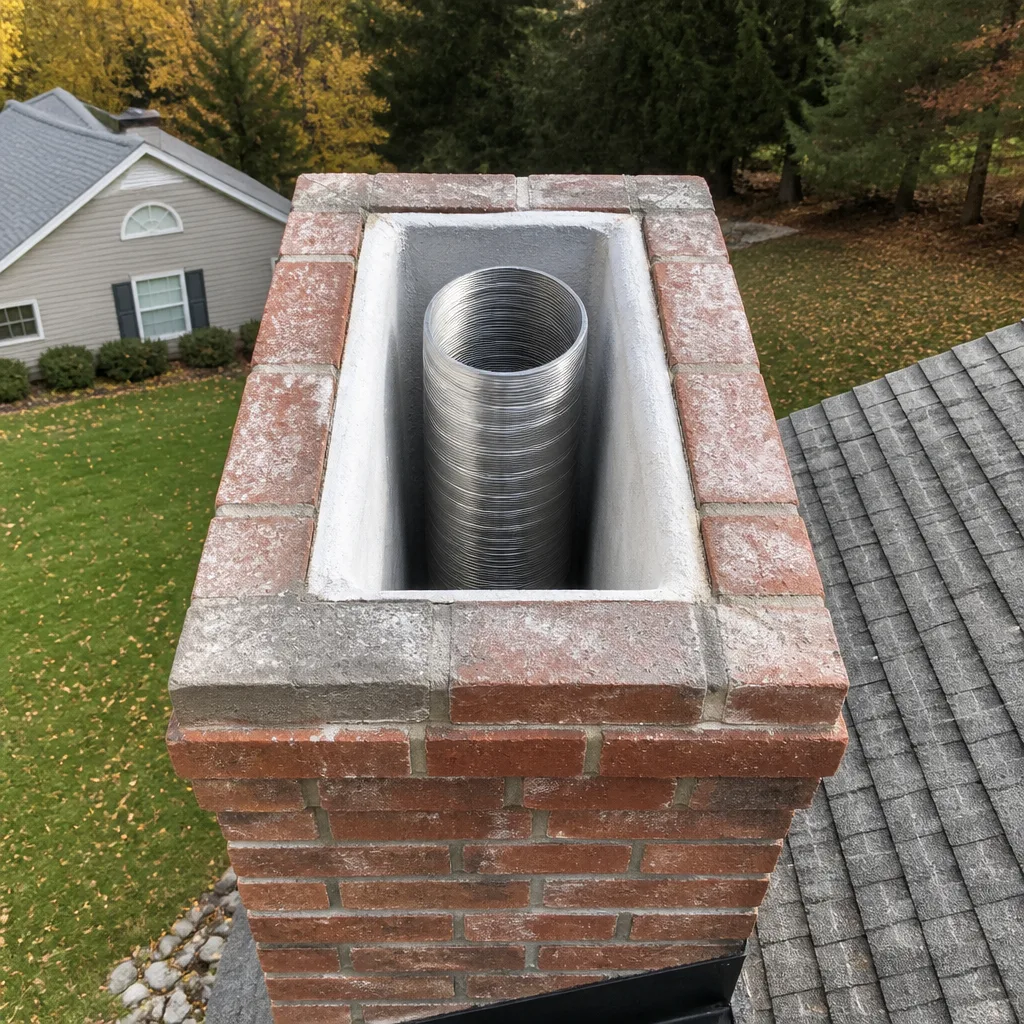
A liner problem is the most serious. If your flue liner has cracked tiles, missing mortar joints, or has deteriorated to the point that smoke and gases are leaking into the wall cavity, you’ll often smell smoke in rooms far from the fireplace, notice staining on interior walls near the chimney, or see efflorescence on the exterior brick. This isn’t a cleaning issue. It’s a repair or rebuild issue, and it’s exactly the kind of problem that gets worse every time you use the fireplace. In older Westchester homes with original clay tile liners, this is often the culprit when smoke shows up in odd places.
Understanding Creosote: The Different Stages and What They Mean
Creosote is the tar-like residue that condenses inside your flue when wood smoke cools before it exits the chimney. It comes in three stages, and knowing the difference will help you understand what a sweep tells you after an inspection.
- First-degree creosote is the fluffy, soot-like powder that brushes off easily. This is normal accumulation from regular wood burning. A standard chimney sweep handles this without drama. If you burn seasoned hardwood and have an annual cleaning, this is what you should expect to see. First-degree creosote is a brush job.
- Second-degree creosote is the flaky, crunchy buildup that forms when flue temperatures fluctuate. It doesn’t brush off easily; it requires more aggressive mechanical cleaning. This is common in chimneys that serve stoves or fireplaces that burn less-than-ideal wood. It’s catchable and cleanable, but it tells you the chimney was neglected for a couple of seasons.
- Third-degree creosote is the glazed, tar-like coating that looks like dried molasses on the flue wall. It forms when creosote is repeatedly heated and cooled without cleaning. This is a glaze. It’s highly flammable, it’s difficult to remove, and it often requires chemical treatment or mechanical removal by a professional. In some cases, a failed third-degree creosote situation justifies a liner replacement because the glaze has bonded to the liner surface.
The practical takeaway: once a year, burn or no burn. Chimneys break in the off-season too. Even if you only burned fires a handful of times last winter, the small amount of creosote left behind in a damp, unused flue can cause odor and attract animals. Annual sweeping is cheap insurance compared to the cost of repairing a chimney fire.
For context on what a sweep involves in this region, see our guide to chimney cleaning and sweep service in Westchester County.
White Staining on Brick: Reading Efflorescence as a Moisture Timeline
That white, chalky staining on your exterior chimney brick isn’t just cosmetic. It’s called efflorescence, and it’s a moisture timeline written on the face of your masonry. In Westchester County, where freeze-thaw cycles punish exterior brick from November through March, efflorescence is a sign that water is moving through your chimney structure in ways it shouldn’t.
Here’s how to read it. Light, powdery efflorescence that appears in a few spots and brushes off easily usually means surface moisture intrusion from a recent heavy rain. It’s common in older brick and doesn’t necessarily indicate a structural problem. But heavy, crusty efflorescence that appears in bands or patches, especially near the top of the chimney or down the sides, indicates saturated masonry. Water is getting in, dissolving the salts in the mortar, and carrying them to the surface as it evaporates.
The pattern tells you where to look. Efflorescence concentrated near the top of the chimney points to a failed crown or missing cap. Bands down the side suggest a cracked flue liner allowing condensation to soak the surrounding brick. Staining near the roofline often means flashing failure where the chimney meets the roof. None of these fix themselves, and in Westchester County’s freeze-thaw climate, saturated brick spalls (the surface pops off) when trapped water freezes and expands.
If you’re seeing efflorescence on your chimney, schedule an inspection. The fix for a cracked crown is a few hundred dollars. Rebuilding a spalled chimney is a few thousand. The moisture timeline is telling you something; the earlier you read it, the cheaper the ending.
Ticking, Popping, Scratching: Which Chimney Sounds Are Normal
Chimneys make sounds, and most of them are harmless. But a few are not, and in Westchester County, where wildlife pressure is high (raccoons, squirrels, chimney swifts, even the occasional bat colony), sound is often the first sign that something alive is sharing your flue.
Ticking and creaking when a fire is burning: normal. This is thermal expansion. The flue liner, the firebox masonry, and the metal components all expand at different rates as they heat up. The sound is the material flexing. You’ll hear it most in the first thirty minutes of a fire and again as the chimney cools after the fire dies. This is not a warning sign, though unusually loud ticking combined with visible cracks in the firebox is worth a look.
Popping or light banging from the chimney structure during a fire: worth noting. This can indicate a cracked flue tile shifting as it heats, especially in older Westchester chimneys with original masonry. It can also just be a loose damper plate rattling. The way to tell is whether the sound correlates with smoke entering the room or odor appearing in unexpected places. If it’s just sound, it’s probably benign. If it’s sound plus smoke, call a professional.
Scratching, scampering, or animal sounds from the chimney when no fire is burning: not normal. This is an animal in the flue or smoke chamber. Raccoons are the main culprits in Westchester County, and they don’t just visit; they nest, have babies, and die. A dead raccoon in a smoke shelf is one of the most unpleasant cleanup jobs in this profession. If you hear scratching, take action quickly. A chimney cap with a proper animal guard is the permanent fix after an animal removal.
Wind moaning or howling during storms: normal but annoying. This is wind crossing the flue opening and creating a whistle effect, like blowing across a bottle. It doesn’t mean anything is wrong, but a properly sized and installed cap can often reduce it.
Gas Fireplace Warning Signs: The Sulfur and Asphalt Smell Emergency
Gas fireplaces in Westchester County are common in homes that converted from wood to gas decades ago or in new construction where vent-free units were never permitted. They have their own set of warning signs, and one of them is an emergency.
Sulfur smell (rotten eggs) from a gas fireplace: emergency. Natural gas is odorless; the sulfur smell is an additive called mercaptan. If you smell this when the gas fireplace is off, you have a gas leak somewhere in the supply line or the unit itself. Leave the house, call your utility company from outside, and do not operate any electrical switches on your way out. This is not a chimney problem; it’s a gas line problem, and it’s the one situation in this entire guide where you should not wait even an hour.
Asphalt or tar smell from a gas fireplace: different problem, also urgent. This is usually creosote from years of wood burning that’s been left in place in a converted chimney, now being heated by the gas logs above it. The heat from the gas fire gradually softens and vaporizes old creosote deposits. This smell means the flue was never properly cleaned when the fireplace was converted. It’s a strong hint that the conversion was done by someone who skipped the chimney inspection. The fix is a thorough cleaning of the old wood-burning residue, followed by a verification that the flue is properly sized for gas use.
Moisture on the glass or rust on the unit: indicates venting issues or condensation, common in direct-vent gas fireplaces that aren’t drafting properly. Yellow, lazy flames instead of blue, crisp flames: possibly indicates incomplete combustion or clogged burner ports. Both are inspection triggers.
Gas fireplace service is specialized, and we regularly handle these issues as part of our fireplace services across Westchester County. The general rule for gas units: have the unit and venting checked annually, just like a wood-burning system. Gas doesn’t exempt you from maintenance; it just changes the maintenance checklist.
Inside the Firebox: Soot Patina vs. Active Damage
The firebox is the brick or refractory chamber where your fire actually burns. It takes the most direct heat of any part of the system, and its deterioration is often gradual enough that homeowners don’t notice until a problem is well along. Here’s how to look at your firebox and understand what you’re seeing.
Uniform black soot coating the firebox walls: normal. This is the soot patina that accumulates from regular fires. It’s flat, even, and has a soft, powdery texture if you touch it. It doesn’t indicate a problem.
White or gray ash-colored patches on the firebox floor or walls: watch closely. This can be normal ash, but if it doesn’t brush away and appears to be bonded to the surface, it may be the beginning of spalling, where the firebrick surface is breaking down under repeated heat stress. Spalling in Westchester County is accelerated by moisture in the masonry, which turns to steam under high heat and pops the brick face.
Cracked refractory panels in a prefab fireplace: significant. Prefabricated metal fireplaces use refractory panels (fake brick) to protect the metal firebox behind them. When those panels crack, the metal behind them is exposed to direct flame. This is the most common failure we see in homes built in the 1980s and 1990s across Westchester County, where prefab fireplaces were installed in large numbers. Cracked panels are replaceable, but the fireplace should not be used until they are.
Crumbling mortar joints between firebricks: progressive damage. Loose or missing mortar in the firebox is a sign that heat and moisture are working through the firebox structure. Repointing the mortar is often a straightforward repair, but if you see this combined with efflorescence on the exterior brick, the moisture source needs to be identified and fixed first.
When you inspect your firebox, take a flashlight and look closely at the back wall and the floor where the grate sits. That’s where damage shows up first, and it’s the area most homeowners never actually look at.
Common Mistakes to Avoid
- Ignoring summertime odor and assuming it will “burn off” in the fall. That smell is moisture interacting with creosote. Burning a fire on top of it doesn’t clean anything; it bakes the creosote into a harder form and increases chimney fire risk.
- Skipping a chimney inspection before buying a home in Westchester County. Many of the county’s older homes have original chimneys that haven’t been inspected in decades. A standard home inspector doesn’t do a full flue inspection. A Level 2 camera inspection is the only way to know what’s actually inside the flue.
- Using the wrong wood and then wondering why creosote builds up so fast. Unseasoned wood, soft woods like pine, or wood that’s been sitting uncovered in the rain all produce much more creosote than properly seasoned hardwood. The fire may look fine, but the flue is loading up.
- “Repairing” cracked mortar or brick with silicone caulk or masonry paint. These products trap moisture inside the masonry, making spalling worse. Proper chimney masonry repair involves real repointing or rebuilding, not sealants.
- Installing a chimney cap yourself without checking for proper sizing. A cap that’s too small restricts the draft. A cap that’s too large doesn’t seal properly and lets rain in. This is one of those jobs that looks simple but has real consequences when done wrong.
- Calling a roofer for a chimney problem. Roofers are skilled at roofing, but they don’t have the training or the tools to diagnose flue problems. If the issue is inside the chimney, a roofer’s repair won’t address the actual cause.
When to Call a Professional
Call a professional chimney sweep when you notice any of the warning signs described above: persistent odor, smoke in the house, efflorescence on exterior brick, animal sounds from the chimney, or visible damage in the firebox. Also schedule a chimney inspection and cleaning if it’s been more than a year since the last one, if you’ve just purchased a home with an unknown chimney history, or if you’ve experienced a chimney fire (even a small one). If you smell gas from a gas fireplace, don’t call a chimney sweep first; call your utility company and leave the house. Once the gas situation is handled, a professional can assess the chimney and venting. Top Hat Chimney offers free estimates in Westchester County. Call Wendell and his crew at (914) 537-6479 for an honest assessment and upfront pricing before any work begins.
Frequently Asked Questions
Once a year, burn or no burn. The National Fire Protection Association recommends annual inspection and cleaning as needed, and in Westchester County’s humid climate, a year is long enough for creosote to degrade, moisture to accumulate, and animals to take an interest. Annual sweeping is the cheapest way to catch problems early.
A standard chimney sweeping in Westchester County typically costs between $199 and $375 depending on the type of fireplace or stove, the level of creosote buildup, and whether the flue is accessible from the roof or the firebox. Chimneys with heavy third-degree creosote or animal nests cost more. Call (914) 537-6479 for an exact quote; estimates are free and pricing is upfront before any work begins.
A new liner is necessary when the existing liner has cracked tiles, missing mortar joints, or has deteriorated to the point that it can no longer safely contain heat and combustion gases. A camera inspection will show you exactly what’s inside the flue, and the footage is yours to see. We never recommend a liner replacement without camera evidence you can review yourself. If the flue is dirty but structurally sound, a cleaning is all you need. See our chimney repair services in Westchester County for more on liner work.
Skipping a cleaning lets creosote accumulate inside the flue. Creosote is flammable, and under the right conditions, it ignites. A chimney fire can crack flue tiles, damage the surrounding structure, and spread to the home. On a less dramatic level, neglected chimneys develop odor problems, animal infestations, and deteriorating masonry that becomes more expensive to fix over time. The cost of a sweep is a fraction of the cost of repairing fire damage.
Humid summer air moving through the flue picks up the odor of creosote deposits left from winter burning. The smell inside your home is the result of that odor-laden air being pushed back through the damper opening. The fix is a cleaning to remove the creosote, followed by proper sealing of the damper or installation of a top-sealing damper to stop air circulation through the flue in warm weather.
You can perform a visual inspection of the firebox and the visible exterior brick, but you cannot see inside the flue without professional camera equipment. Most of the problems described in this guide are invisible from ground level, and that’s why professional chimney inspections exist. A Level 1 inspection with a cleaning is inexpensive, and a Level 2 camera inspection gives you a complete picture of the flue’s condition.
The Bottom Line
Your chimney is a system, not just a hole in the roof. It sends signals when something is wrong, and most of those signals appear inside your home as smells, sounds, moisture, or smoke that you’re likely to misread. The recurring theme across every warning sign in this guide is the same: early attention is cheap, late attention is expensive, and no attention is how houses burn. Once a year, burn or no burn. Chimneys break in the off-season too. Ask anyone on your street; the chimney that gets swept every year is the one that never needs a five-figure repair. If you’re seeing any of the signs above, the camera footage and a plain-English verdict are a phone call away, every time, no exceptions. For more guides & resources on keeping your chimney safe year-round, explore our blog.
Written by Wendell Pike, Owner at Top Hat Chimney, serving Westchester County since 1999.