
Last updated September 10, 2026
Level 1 sweep and inspection to the NFPA 211 annual standard - flue, crown, cap, and flashing checked and photographed
Chimney sweep logs do not sweep chimneys. They loosen some creosote - which then falls where a brush and vacuum still have to collect it.
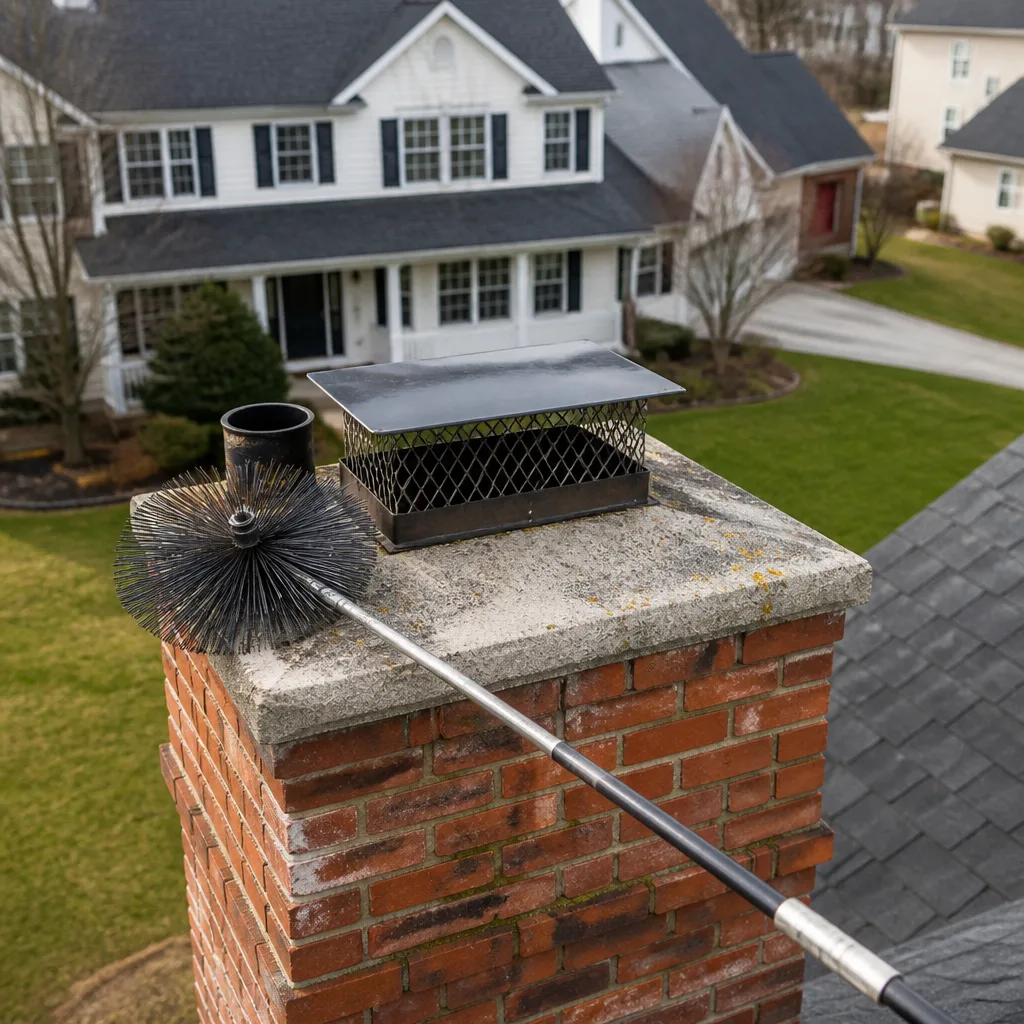
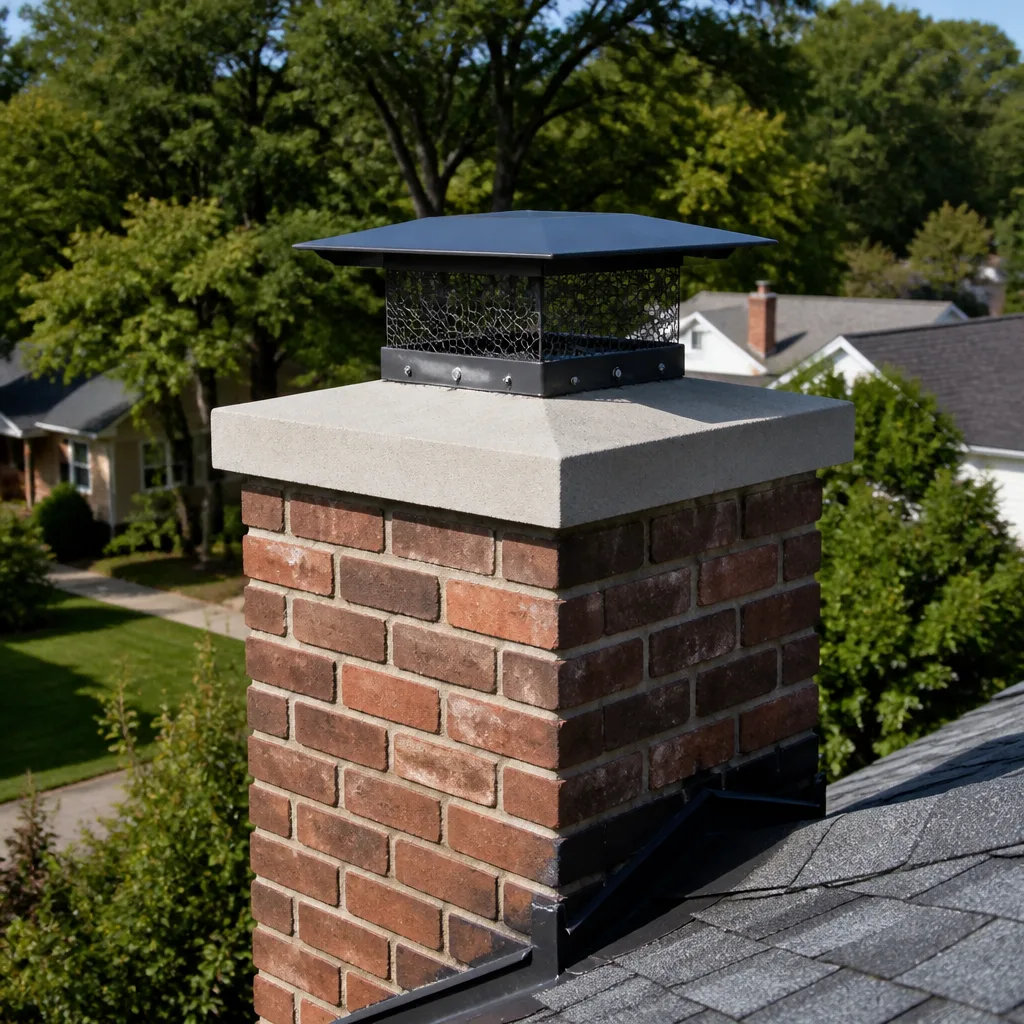
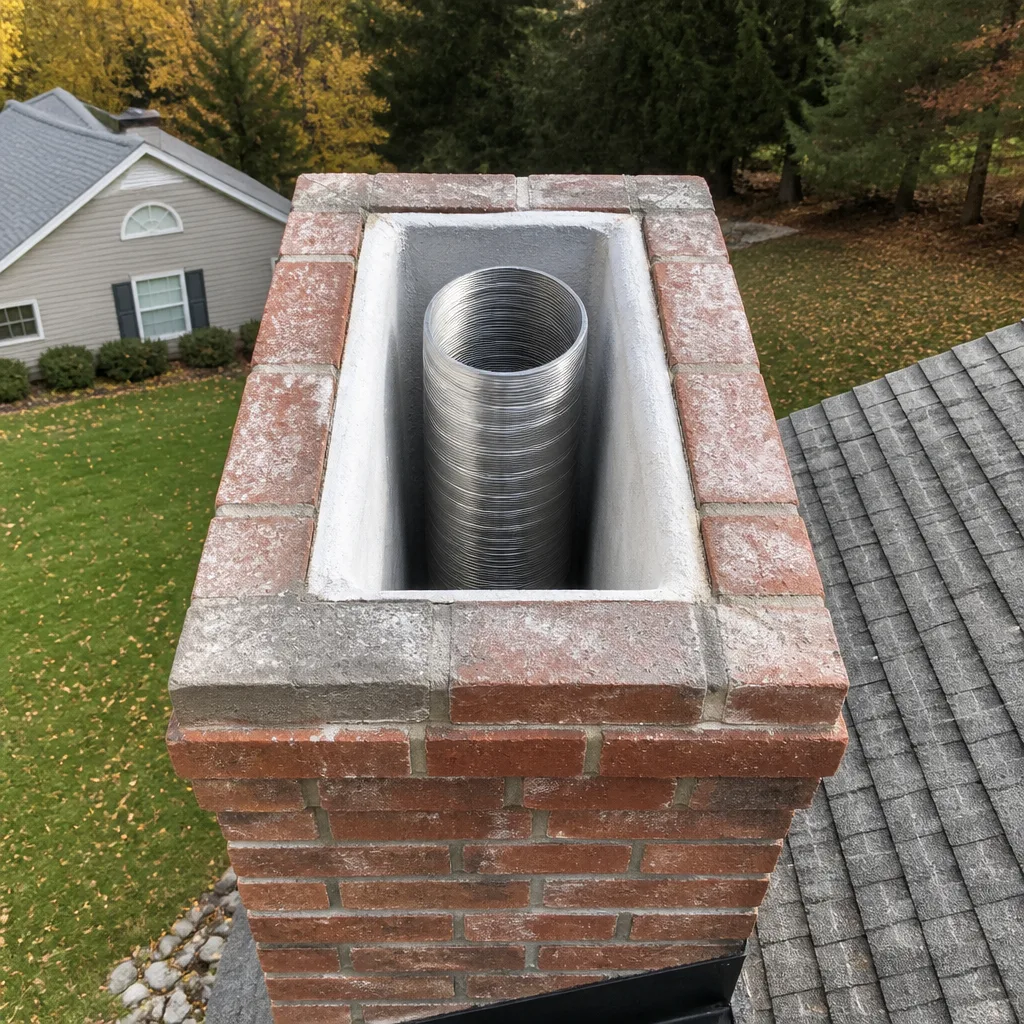
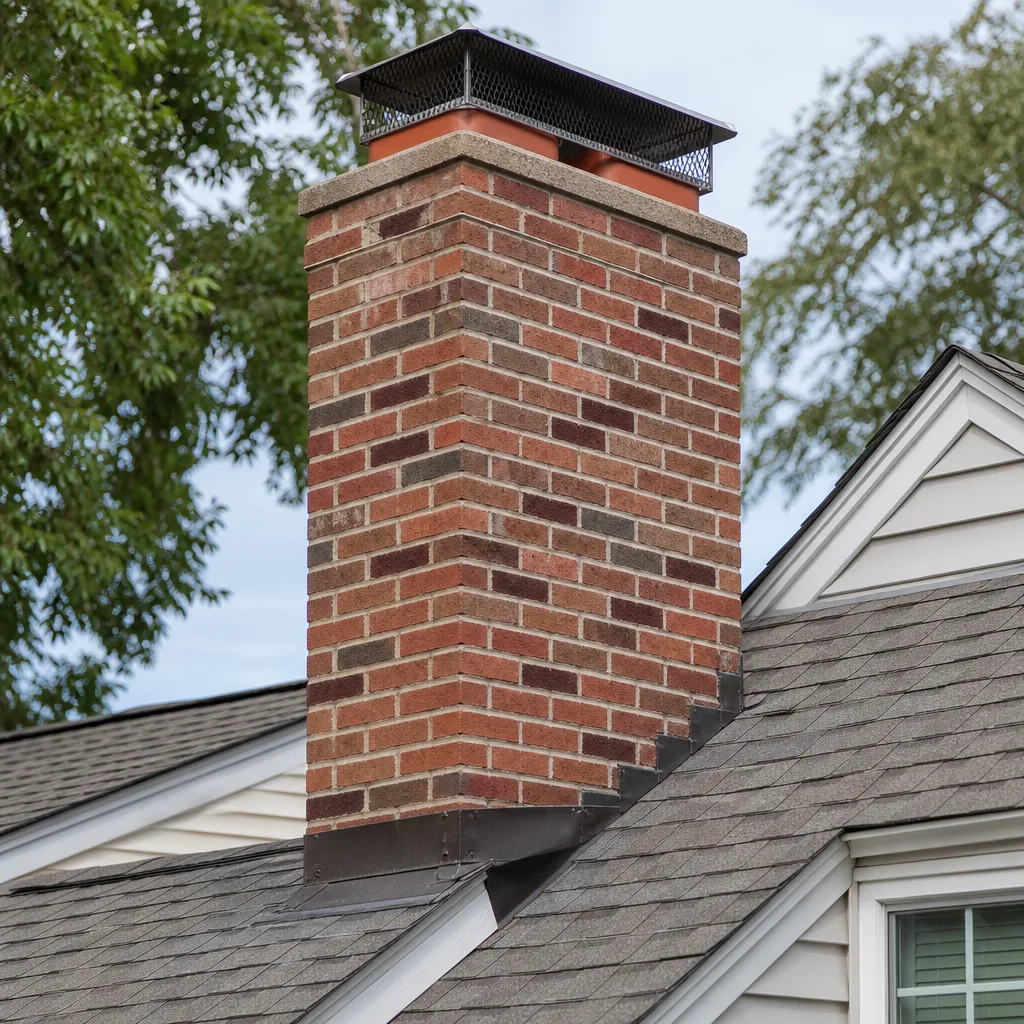
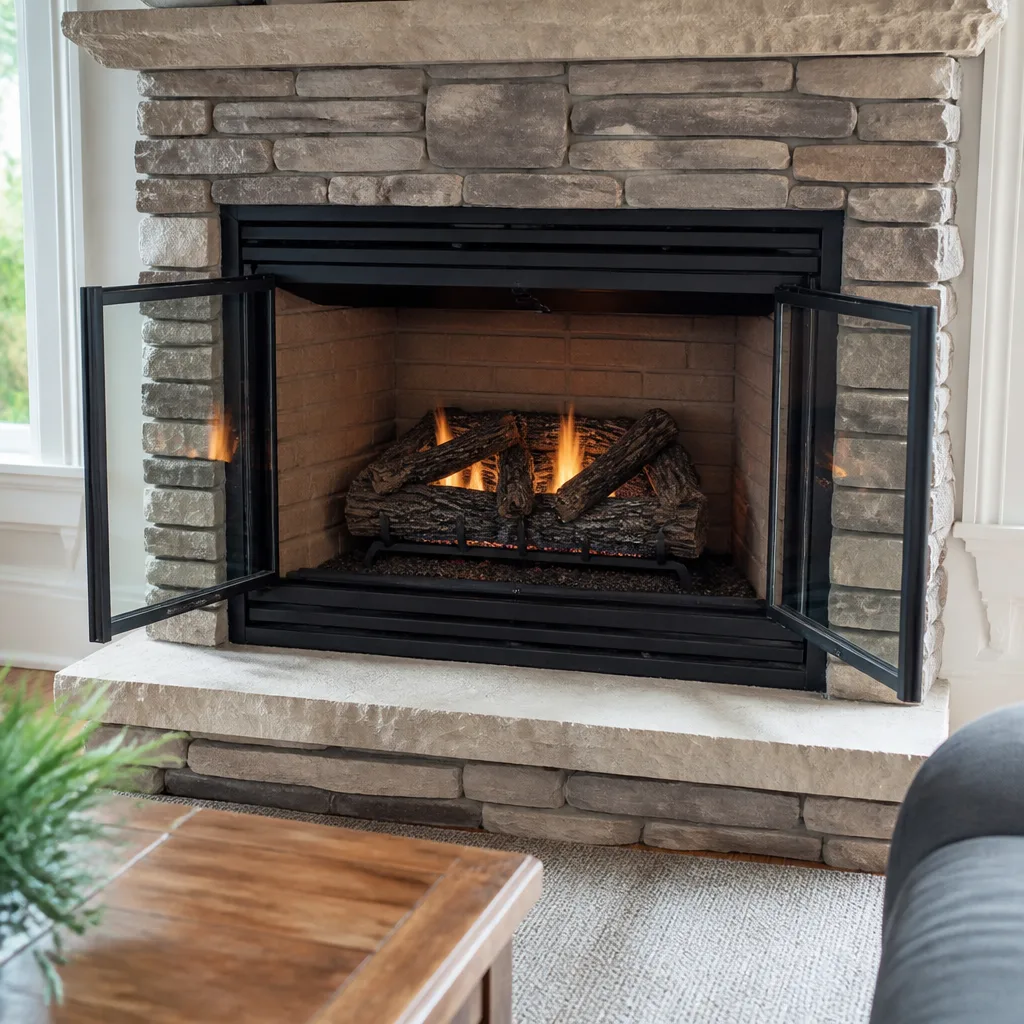
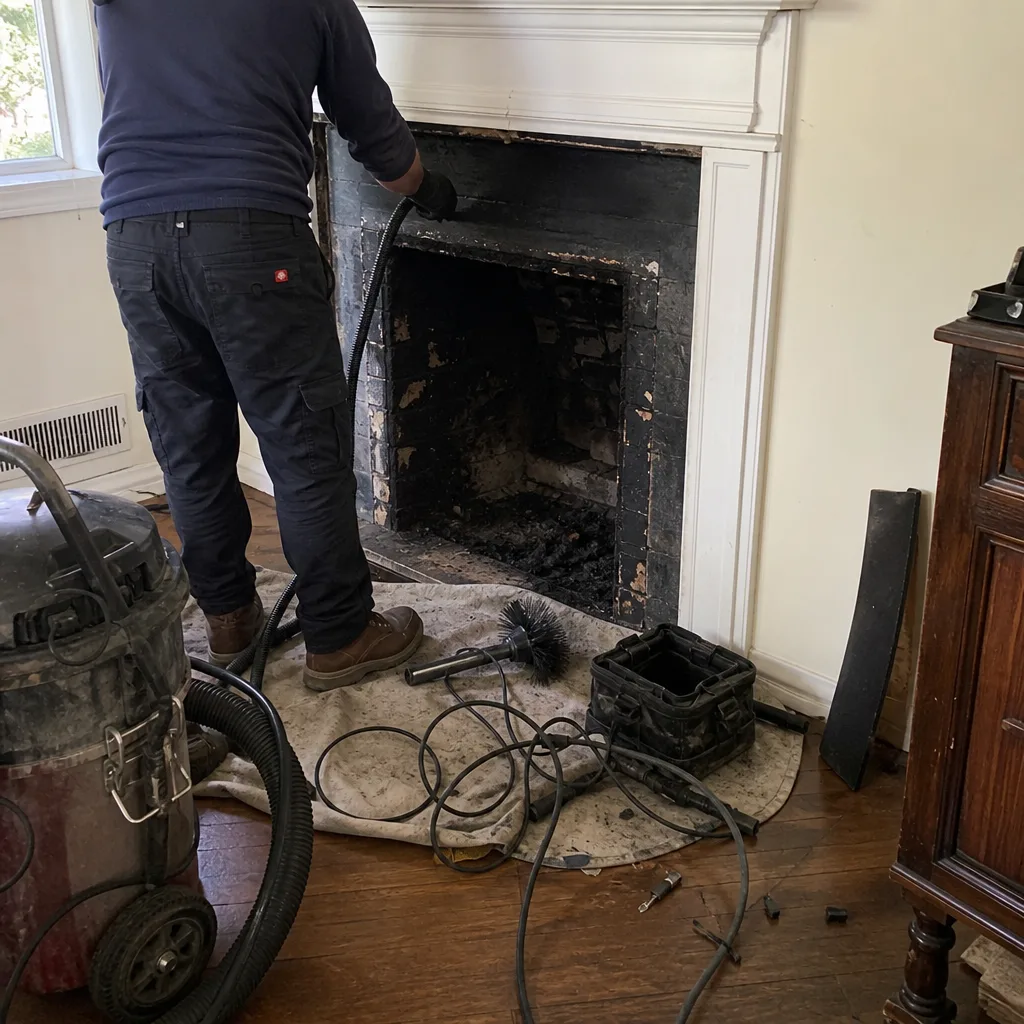 Before
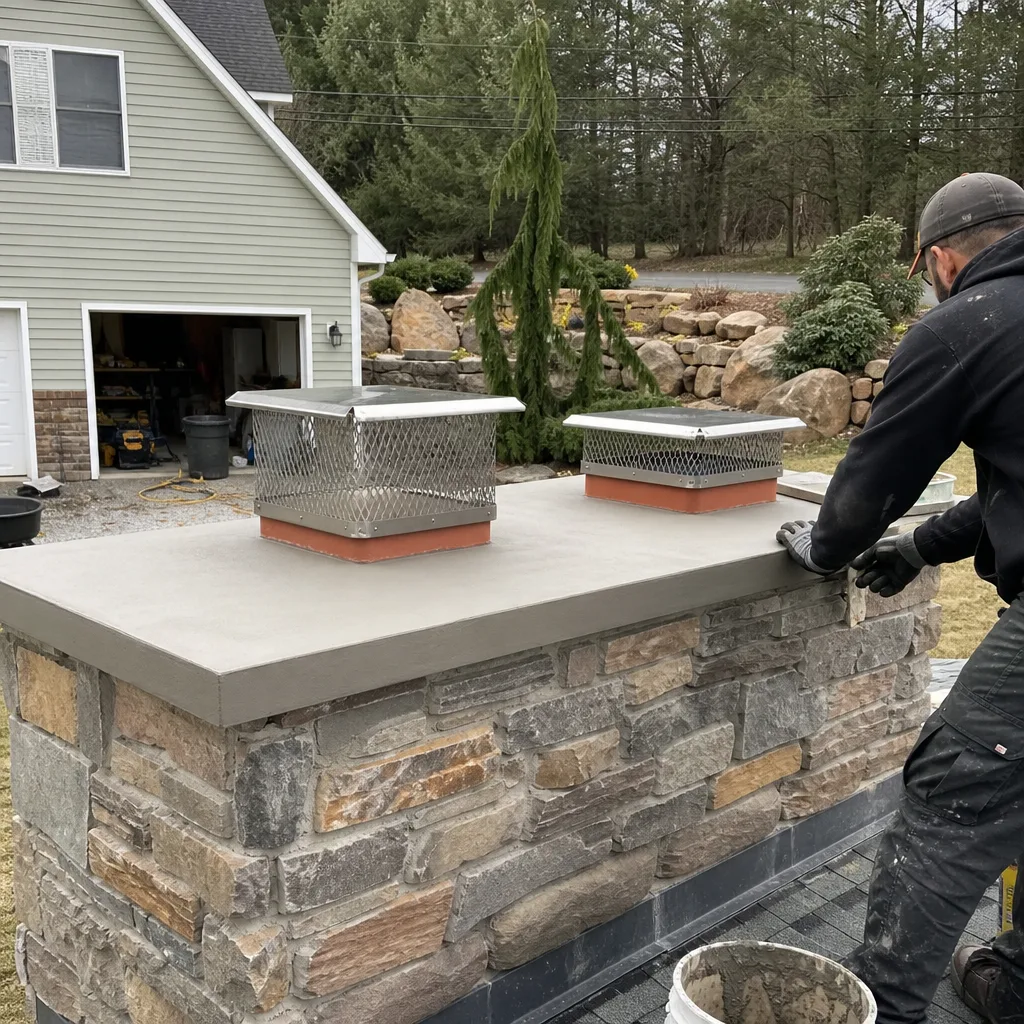 After
After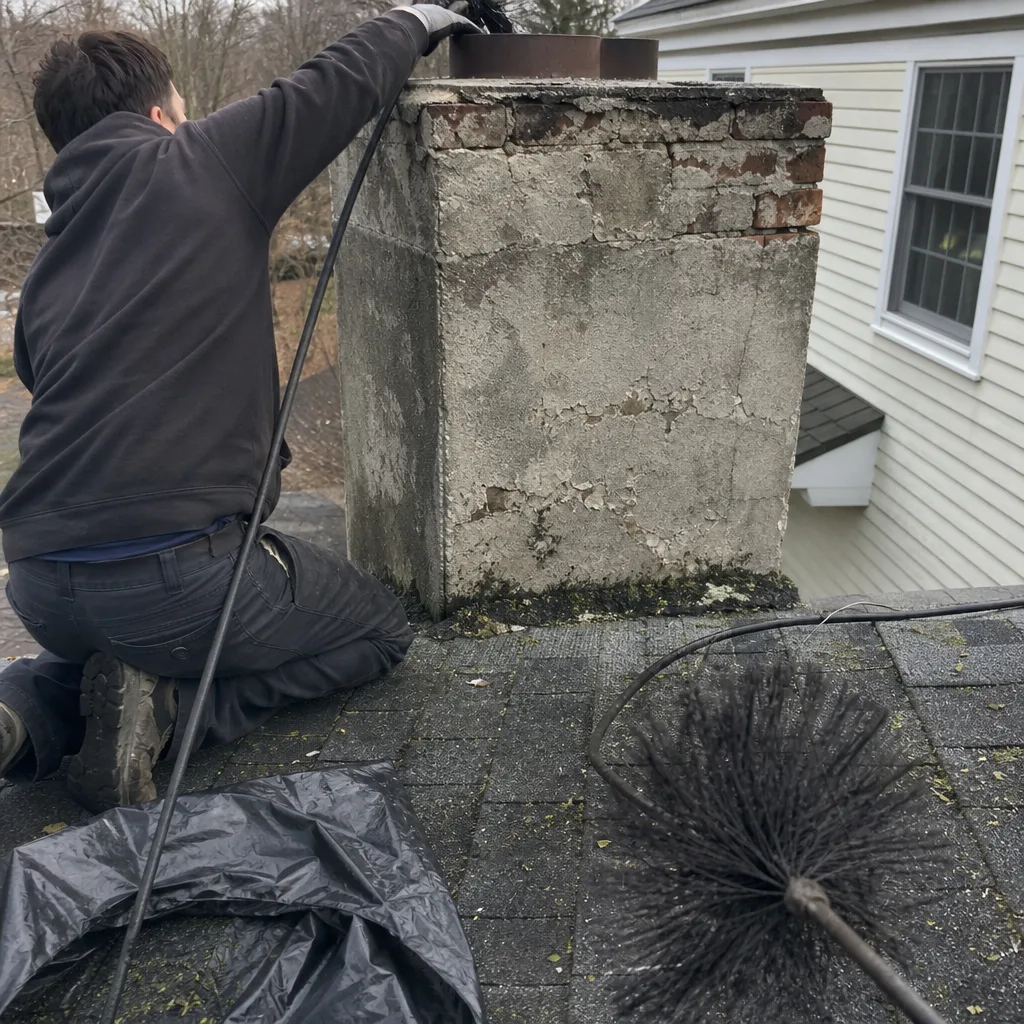 Before
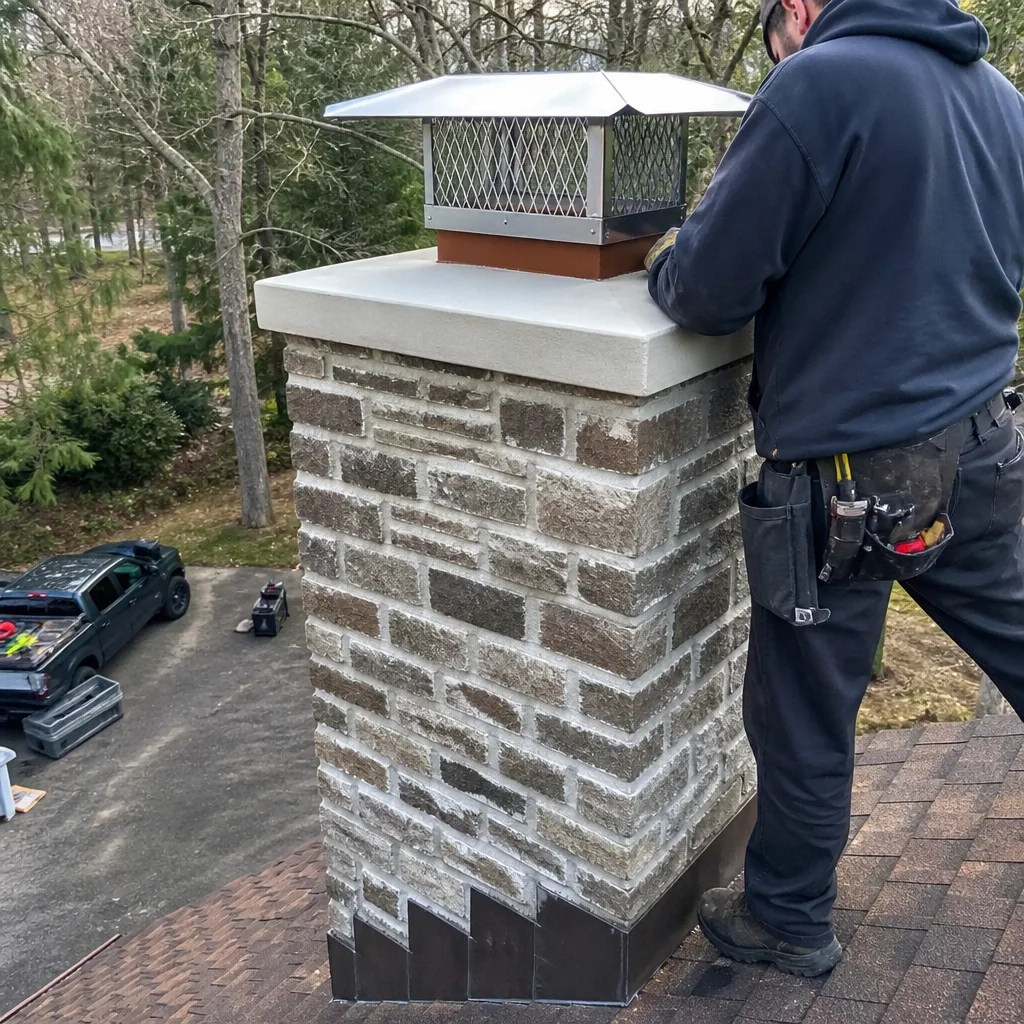 After
After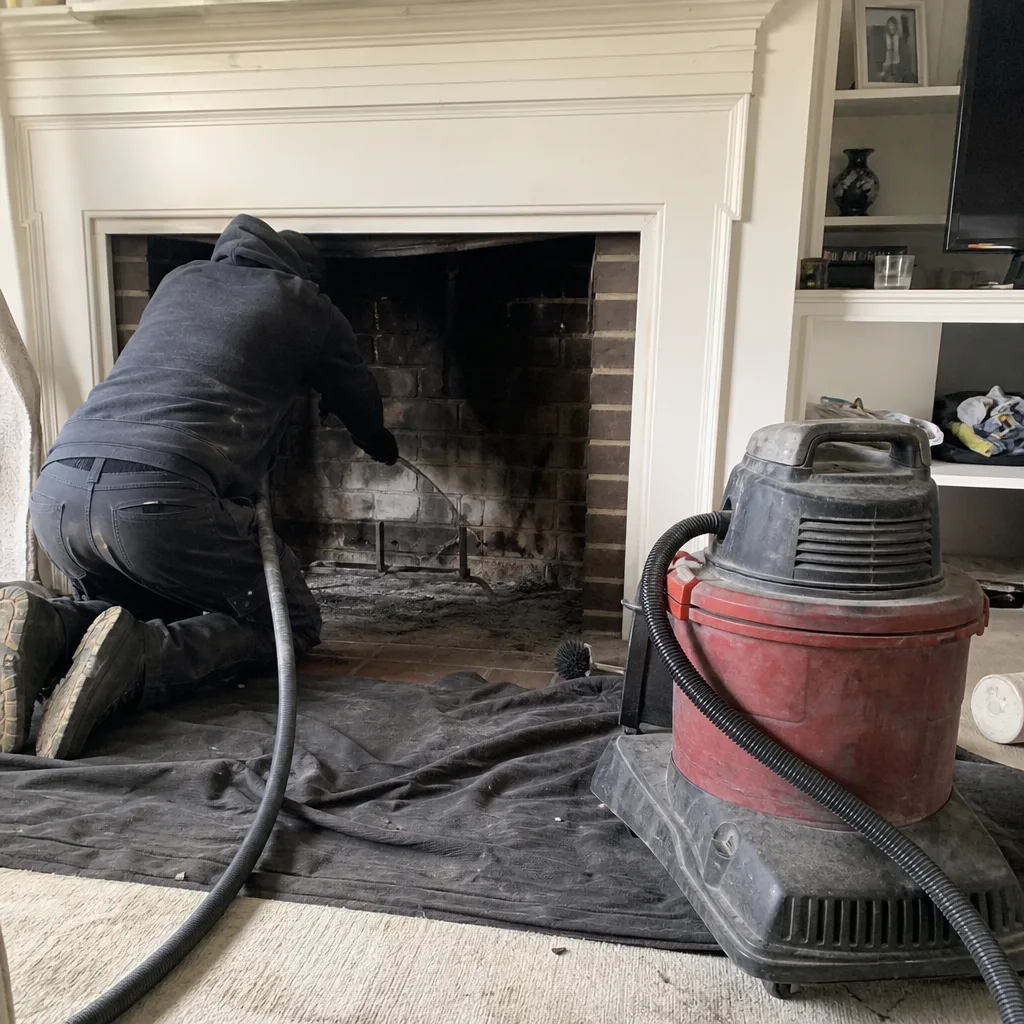 Before
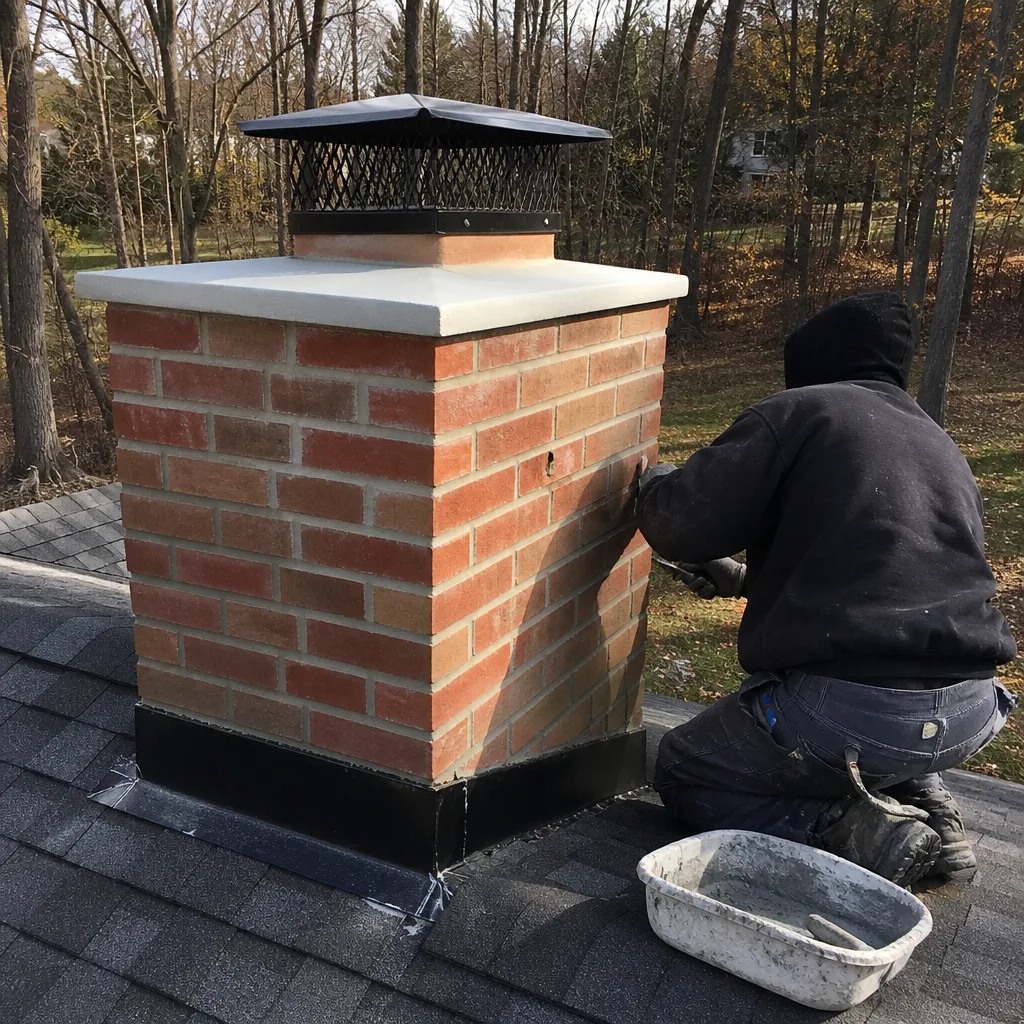 After
AfterThe Complete Guide to Chimney Cleaning in Westchester County
Most Westchester County homeowners are cleaning their chimneys on the wrong schedule. Some wait years between sweeps, letting creosote build into a fire hazard. Others pay for an annual cleaning they don’t yet need, because the company they called has a quota to hit. The CSIA standard is not “every October no matter what.” It’s clean when creosote reaches 1/8 inch of buildup. This guide will teach you how to tell when that is, what your specific heating setup actually requires, and how to read a sweep’s report so you never pay for a repair you don’t need. For seasonal chimney cleaning care for Westchester County, check our year-round homeowner’s guide. We’ve worked chimneys from Yonkers to Somers since 1999, and we’ll give you the honest framework here.
Quick Answer
Chimney cleaning in Westchester County typically costs $189 to $349 for a standard sweep, and most wood-burning fireplaces need it every 1 to 2 years depending on burn frequency and wood quality. Oil and gas systems can often go 2 to 3 years between cleanings, while pellet stoves need annual attention regardless. The CSIA benchmark is 1/8 inch of creosote, not a calendar date. Call (914) 537-6479 for a free estimate from Top Hat Chimney, serving Westchester County since 1999.
Table of Contents
- Why Timing Matters More Than a Calendar
- How Your Fuel Type Changes the Schedule
- Older Homes, Clay Liners, and Westchester County’s Aging Chimneys
- Creosote Stages 1, 2, and 3: What Each Means for Your Budget
- Level 1 vs Level 2 Inspections: What You’re Actually Paying For
- How to Read a Sweep’s Report Without Getting Taken
- DIY Myths That Cost Westchester County Homeowners Real Money
- Common Mistakes to Avoid
- When to Call a Professional
- Frequently Asked Questions
- The Bottom Line
Why Timing Matters More Than a Calendar
Your flue doesn’t care how the fire looks. It cares how it breathes. A fireplace can throw beautiful heat into a Tarrytown living room while the flue above it is quietly loading up with creosote. The 1/8 inch rule from the Chimney Safety Institute of America exists because that’s the point where creosote becomes a real ignition risk, not just a maintenance nuisance. Below that threshold, you’re paying for a cleaning you don’t need yet. Above it, every fire you burn is rolling dice.
In Westchester County, the timing question gets complicated by how differently we all heat. A house in Bronxville with a natural gas fireplace insert runs a completely different risk profile than a 1920s colonial in Yonkers burning seasoned oak three nights a week all winter. One rule does not fit all, and any sweep who tells you otherwise is selling you a schedule, not a service.
Here’s what actually drives the schedule:
- Burn frequency: Three fires a week versus three fires a season changes everything.
- Wood quality: Seasoned hardwood burns clean. Green or soft wood loads creosote fast.
- Fuel type: Wood, oil, gas, and pellets each leave different deposits.
- Flue temperature: Masonry chimneys on exterior walls run cooler and condense more creosote.
- Liner condition: Cracked clay tiles trap deposits and change airflow.
Once a year, burn or no burn. Chimneys break in the off-season too. We say that because water intrusion, freeze-thaw cycles, and animal nests happen whether you light a fire or not. A chimney that sits cold for years can be in worse shape than one used weekly. The inspection is annual. The cleaning is as-needed. That distinction saves Westchester County homeowners real money.
How Your Fuel Type Changes the Schedule
Westchester County has one of the most mixed heating profiles in the Hudson Valley. On a single block in White Plains, you’ll find a wood-burning fireplace, an oil furnace venting through a masonry flue, a gas insert, and a pellet stove. Each one has a different cleaning cadence, and treating them all the same is how people end up either overpaying or under-protecting their homes.
Wood-Burning Fireplaces and Stoves
This is the classic case, and the one where the 1/8 inch rule matters most. A wood fire burning below 250°F in the flue creates creosote. Burn hot, burn seasoned hardwood, and you’ll stretch the interval. Burn low, burn soft wood, and you’ll need a sweep every 40 to 60 fires. In our experience across Westchester County, the average wood burner who uses the fireplace from November through March lands on an 18-month cleaning cycle. Some go two full seasons. Others need it every spring. The only honest answer is: the flue tells you, and a camera inspection shows it in plain view.
Oil Furnaces
Oil burns dirtier than most people realize. It produces sulfur compounds that mix with moisture and create an acidic soot that clings to flue walls. If your Westchester County home heats with oil, the flue serving that furnace should be checked annually, but the cleaning interval can often stretch to 2 or 3 years if the system burns clean. The bigger issue with oil is that the deposits are corrosive, not just flammable. A neglected oil flue rots from the inside. Not a fire risk, but a rebuild cost risk.
Natural Gas Systems
Gas burns clean, but it’s not maintenance-free. The exhaust is mostly water vapor and carbon dioxide, and that moisture rises, cools, and condenses inside the flue. Over time, this weakens mortar joints and eats at older clay liners. Gas systems rarely need sweeping, but they need annual inspection for blockages, animal intrusion, and liner deterioration. In Westchester County, where natural gas service expanded rapidly in the 1990s and 2000s, many homeowners switched from oil to gas without upgrading the flue, and that mismatch is its own problem. More on that in the liner section below.
Pellet Stoves
Pellet stoves are the exception to every rule. They burn hot and efficient, but they produce fine ash and a hard, glassy creosote in the vent pipe that can’t be ignored. Annually, no exceptions. The good news: pellet vent cleaning is quick work for a proper sweep, and the inspection takes less time than a wood fireplace. Most Westchester County pellet stove owners get this done in under an hour.
Older Homes, Clay Liners, and Westchester County’s Aging Chimneys
Westchester County has some of the oldest housing stock in New York outside the five boroughs. Yonkers, Tarrytown, Bronxville, Mount Vernon, and New Rochelle are full of pre-war homes with original masonry chimneys. If your house was built before 1980, there’s a strong chance your flue is lined with clay tile, and that changes the risk equation in ways a newer homeowner never has to think about.
Clay tiles crack. They do not flex. They do not absorb heat evenly. And after 40, 60, or 80 years of freeze-thaw cycles in a Westchester County winter, they develop hairline fractures that let heat, moisture, and gases through. A cracked clay liner turns a routine cleaning into a repair question, because sweeping a compromised liner can break it further.
Here’s what we see most often in older Westchester County chimneys:
- Spalling: Moisture inside the masonry causes the clay surface to flake away in chunks.
- Offset cracks: Chimneys that jog through the house (common in older architecture) crack at the elbows where heat and cool meet.
- Missing mortar: Joints between tiles erode over decades, opening gaps that leak combustion gases.
- Undersized flues: Many pre-1980 chimneys were built for coal or early oil systems, and they’re the wrong size for modern appliances.
The point is not that every old chimney in Westchester County is dangerous. Most are not. The point is that a chimney cleaning on an older home should include a real look at the liner, not just a brush up and down. If your sweep doesn’t offer camera inspection as part of the job, ask why. The camera footage and a plain-English verdict, every time, no exceptions, is the standard we’ve held for over 29 years.
For homes with damaged liners, the fix is usually a stainless steel reline. We work with DuraFlex and HeatShield systems for exactly this application, because they’re sized correctly, they carry strong warranties, and they perform in the exact conditions Westchester County chimneys face. A reline is not cheap, but it’s cheaper than a chimney fire or a carbon monoxide event in a Tarrytown bedroom at 2 a.m.
Creosote Stages 1, 2, and 3: What Each Means for Your Budget
Creosote is not one substance. It’s a family of deposits, from a fine dust to a hard glaze, and the stage determines everything about your cleaning cost and timeline. First-degree creosote is a brush job. Third-degree is a glaze. Catch it early, and you’re out a couple hundred dollars. Let it sit, and you’re looking at rotary cleaning, chemical treatment, or worse.
Stage 1: Dust and Soot
This is the fluffy black powder you can wipe with a finger. It’s mostly fine ash and partially burned wood particles. A standard chimney sweep with a wire brush handles it in 20 to 30 minutes. This is the stage you want to catch, and it’s the reason the 1/8 inch rule exists. If your sweep reports Stage 1 creosote, clean it and move on with your life. No drama, no upsell.
Stage 2: Crunchy Flakes
Stage 2 is creosote that has condensed and cooled enough to form a flaky, crystalline layer. It looks like black cornflakes stuck to the flue wall. A routine brush still handles it, but the sweep will likely need to make a second pass or use a rotary loop. Expect the job to take a bit longer, and expect the price to sit at the upper end of the standard cleaning range. In Westchester County, that’s typically $249 to $349.
Stage 3: Glazed Creosote
Third-degree creosote is the one that scares insurance adjusters. It’s a thick, glassy, tar-like coating that forms when creosote is heated and cooled repeatedly. A standard brush does almost nothing to it. Removing Stage 3 requires a rotary cleaning system, sometimes with chemical treatment first (we use Gelco products for this), and it takes significantly longer. It’s also a genuine fire hazard the entire time it’s in there. Every additional fire is rolling dice you can’t control. In our experience, homeowners in Westchester County who reach Stage 3 are either burning unseasoned wood, running smoldering fires, or skipping several years between inspections.
The cost difference between Stage 1 and Stage 3 can be two to four times the standard cleaning price. That’s the entire financial argument for staying on schedule. A $249 sweep every 18 months beats a $700 glaze removal plus liner damage repair once, and the fire risk is not even comparable.
Level 1 vs Level 2 Inspections: What You’re Actually Paying For
Most guides skip this distinction entirely, and it’s the single most useful thing to understand before you hire a chimney company in Westchester County. Inspections come in three levels defined by the National Fire Protection Association, and they are not interchangeable. Here’s what each one involves:
Level 1: The Annual Look
A Level 1 inspection is what happens during a routine cleaning. The sweep examines the readily accessible portions of the chimney, the flue interior, the damper, the firebox, and the exterior for obvious problems. No special equipment, no climbing on the roof beyond basic access. This is included with every standard chimney cleaning, and it’s the right tool when nothing has changed about your setup since the last inspection. For most Westchester County homeowners with wood fireplaces, a Level 1 is all you need in a normal year.
Level 2: When Something Changed
A Level 2 inspection includes everything in Level 1, plus access to attics, crawl spaces, and the roof, plus a camera scan of the entire flue interior. You need a Level 2 when:
- You’re buying or selling a home (most real estate transactions in Westchester County require one)
- You’ve changed fuel type (oil to gas, wood to pellet)
- You’ve had a chimney fire, even a small one you caught early
- You’ve made a change to the fireplace, stove, or liner
- A storm, earthquake, or other event may have damaged the chimney
- It’s been more than 5 years since the last camera inspection
A Level 2 costs more than a Level 1 because it’s a real diagnostic, not a visual pass. Expect $100 to $250 on top of the cleaning fee, and expect the report to include video or still images of whatever the camera found. If a company charges you for a Level 2 and won’t show you footage, that’s a red flag.
Level 3: The Rebuild Question
A Level 3 inspection means parts of the structure are being opened up to access hidden areas. This is rare, and it only happens when a Level 2 reveals serious damage that requires surgical access. It’s never a routine recommendation. If someone suggests a Level 3 without a Level 2 camera report in hand, get a second opinion. We offer free second opinions on any competing written estimate, and this is exactly the situation where that matters most.
How to Read a Sweep’s Report Without Getting Taken
The moment of truth for any Westchester County homeowner is not the cleaning. It’s the report afterward. A good sweep hands you a written summary with findings, and a homeowner who can read it knows the difference between a real problem and a sales pitch. Here’s the framework we recommend:
- Urgent: The report says the system is unsafe to use. Active creosote hazard, cracked liner with gas leakage, structural instability, or blockage causing smoke backup. This is fix-before-you-burn territory, and the report should show why with camera images.
- Recommended: The report identifies deterioration that will get worse but isn’t dangerous today. Hairline liner cracks, water intrusion points, missing chimney cap, deteriorating crown. You have time, but not forever.
- Optional: The report suggests improvements that are nice to have. A heavier damper, a decorative shroud, a top-sealing cap on a chimney that currently works fine. You can say no without guilt.
The red flags to watch for:
- No camera evidence, but a major repair recommendation. If the report says your liner is shot, you should be looking at a photo of a cracked tile. Period.
- Urgent recommendations without a burn history. If you burned three fires last season and the report reads like a disaster, ask for the footage.
- Vague language like “deterioration noted.” Where? How bad? What does it mean? A proper report specifies location, severity, and what happens next.
- The price moved from phone to door. The number you hear on the phone should be the number on the invoice. If the cleaning was quoted at $199 and the invoice is $449, that’s a different kind of company.
Ask anyone on your street. The families we’ve worked for in Bronxville, Tarrytown, and Yonkers for years are the same families who got burned by a national chain once and never went back. A local sweep who gives you his name, his license number, and his cell phone puts his reputation on the line with every job. That’s the difference between a report you can trust and a report that’s trying to sell you something.
We publish our pricing before work begins, with no trip charge inside Westchester County. The report you get from Wendell and his crew includes camera footage and a plain-English verdict, every time. If you’re looking for a more detailed breakdown of what a proper Chimney Cleaning & Sweep in Westchester County includes, that page covers the full process step by step.
DIY Myths That Cost Westchester County Homeowners Real Money
There’s a full subculture of DIY chimney cleaning on the internet, and some of it is fine for light maintenance. But the gap between what a homeowner can do safely and what a professional sweep handles is wider than most people think, and it’s not about skill. It’s about what you can actually see.
Myth 1: You Can Clean a Chimney from the Bottom with a Brush
You can remove loose soot this way. You cannot remove Stage 2 or 3 creosote, and you cannot inspect the flue while you’re doing it. What you also can’t see from the bottom is a cracked tile 15 feet up, a disconnected flue section, or a nest blocking the top third. The sweep sees it because he’s on the roof with a camera. If you’re cleaning from below, you’re cleaning blind.
Myth 2: Creosote Logs Do the Same Job
Creosote sweeping logs (the kind you burn in the firebox) can help loosen light Stage 1 buildup. They do not clean a chimney. They are a supplement, not a substitute, and we’ve seen too many Westchester County homeowners treat a $20 log from a hardware store as their annual maintenance plan. If it were that easy, chimney fires would have been eliminated decades ago.
Myth 3: If I Don’t Burn Much, I Don’t Need a Sweep
This one is dangerously wrong, and it’s the message we repeat most. Animals nest in unused chimneys. Rain gets in through damaged crowns and sits in the smoke shelf. Freeze-thaw cycles in a Westchester County winter do their work whether you burn or not. Once a year, burn or no burn. The inspection is the annual thing. The cleaning can wait if the flue is clean.
Myth 4: Gas Fireplaces Need No Maintenance
Gas produces less creosote, but it produces plenty of moisture, and moisture is what kills a Westchester County chimney over time. Gas logs also produce a fine white residue that builds on the logs and burners, and vent-free units have their own issues with indoor air quality. A gas fireplace needs inspection annually, even if it rarely needs a full sweep.
The honest answer on DIY: you can and should maintain the firebox, keep the damper clean, and check visually for obvious problems between professional visits. But the flue, the liner, the crown, and the cap are professional territory. Not because we want the work. Because the cost of a miss is a chimney fire you can’t control.
Common Mistakes to Avoid
- Cleaning on a fixed calendar instead of a measurement. The 1/8 inch rule from CSIA exists for a reason. A company that calls you every October for a cleaning you may not need is selling a subscription, not a service.
- Burning unseasoned or green wood. Wood needs 6 to 12 months to season properly in the northeast climate. Green wood is the single biggest driver of Stage 2 and 3 creosote we see in Westchester County.
- Skipping the camera inspection because it costs extra. The camera is not a premium feature. It’s the diagnostic that tells you whether the cleaning even matters. Without it, you’re paying for a blind service.
- Ignoring a small chimney fire because nothing burned down. Any chimney fire, even one that burns itself out in 30 seconds, can crack a liner. After any fire event, the next step is a Level 2 inspection. Not next season. Now.
- Accepting a repair quote without seeing the damage. If the report recommends a liner rebuild, you should be looking at camera footage of the liner. If the company won’t show it, get a second opinion.
- Letting a handyman reline a chimney. Chimney liners are safety equipment. They’re sized, tested, and listed for specific applications. A general contractor who “does chimneys too” is not the same as a certified sweep, and the difference shows up in an inspector’s report or worse.
- Putting off a crown repair because it’s “just cosmetic.” A cracked crown lets water into the chimney structure, and water is the slow killer of Westchester County chimneys. A $400 crown repair is cheap compared to a $4,000 rebuild.
When to Call a Professional
If you see white smoke backing into the room, smell strong odors in the house when the fireplace is lit, or notice black staining around the mantle or the exterior chimney crown, stop burning and make the call. If you’ve had a chimney fire, even a small one, you need a professional inspection before another fire is lit. If you’re buying or selling a home in Westchester County, a Level 2 inspection is standard practice for a reason. And if your last sweep was more than two years ago and you don’t know what the flue looks like, it’s time. Top Hat Chimney offers free estimates in Westchester County, call (914) 537-6479, or browse more guides & resources on our blog. Wendell answers the phone, and he’ll tell you straight whether you need a cleaning now or whether it can wait.
Frequently Asked Questions
A standard chimney cleaning in Westchester County runs $189 to $349, with the typical job landing around $249. Stage 3 creosote removal, rotary cleaning, or additional flue work pushes the price higher, which is exactly why staying on schedule saves real money. Call (914) 537-6479 for an exact quote, with no trip charge inside the county.
Wood-burning fireplaces used regularly through the winter typically need cleaning every 1 to 2 years, while oil and gas systems can often go 2 to 3 years. Pellet stoves need annual cleaning no matter what. The standard is 1/8 inch of creosote buildup, not a date on the calendar, and a camera inspection tells you exactly where you stand.
Creosote continues to build past the 1/8 inch threshold, and at Stage 3 it becomes an active fire risk that a standard sweep can’t remove. The cleaning bill goes from a couple hundred dollars to several times that, and every fire you burn in the meantime carries a risk you can’t see. If you’re not sure where your chimney stands, get it inspected before you decide to skip another season.
Gas fireplaces rarely need creosote cleaning, but they do need annual inspection for moisture damage, blocked vents, and liner deterioration. In Westchester County, where many homes converted from oil to gas over the past two decades, the old flues need a hard look because moisture condensing inside an aging clay liner is a slow structural problem. Call us and we’ll tell you what applies to your specific setup.
Yes, but it’s the inspection that matters more than the cleaning in your case. Animals, water, and freeze-thaw cycles damage chimneys that rarely see fire, sometimes worse than ones that burn weekly. A low-use fireplace should be inspected annually, and cleaned when the measurement calls for it. Once a year, burn or no burn. Chimneys break in the off-season too.
Look for a local, owner-operated company with a published license number, upfront pricing, camera inspection included, and a written guarantee on the work. Our How to Hire a Chimney Cleaning Contractor in Westchester County: A Step-by-Step Guide walks you through the full vetting process. If the price changes when the truck arrives, or the repair recommendation comes without camera evidence, you’re dealing with the wrong outfit. Ask anyone on your street. Reputation in Westchester County travels fast.
The Bottom Line
Chimney cleaning in Westchester County is not a subscription service. It’s a measurement-based decision, and the measurement is 1/8 inch of creosote, seen on camera, documented in a report you can read. Most wood burners need a sweep every 1 to 2 years. Oil and gas systems run longer. Pellet stoves are annual. Older homes in Yonkers, Tarrytown, and Bronxville with original clay liners carry their own set of risks, and those need inspection even when the firebox stays cold. Find a sweep who shows you the footage, prices upfront, and puts his name on the work. If you’re in Westchester County, Top Hat Chimney home has been that neighbor since 1999. For a closer look at what we do, see our Chimney Repair in Westchester County and Fireplace Services in Westchester County pages. Call (914) 537-6479 for a free estimate, and we’ll tell you the truth about your chimney, whether you book with us or not.
Written by Wendell Pike, Owner at Top Hat Chimney, serving Westchester County since 1999.