
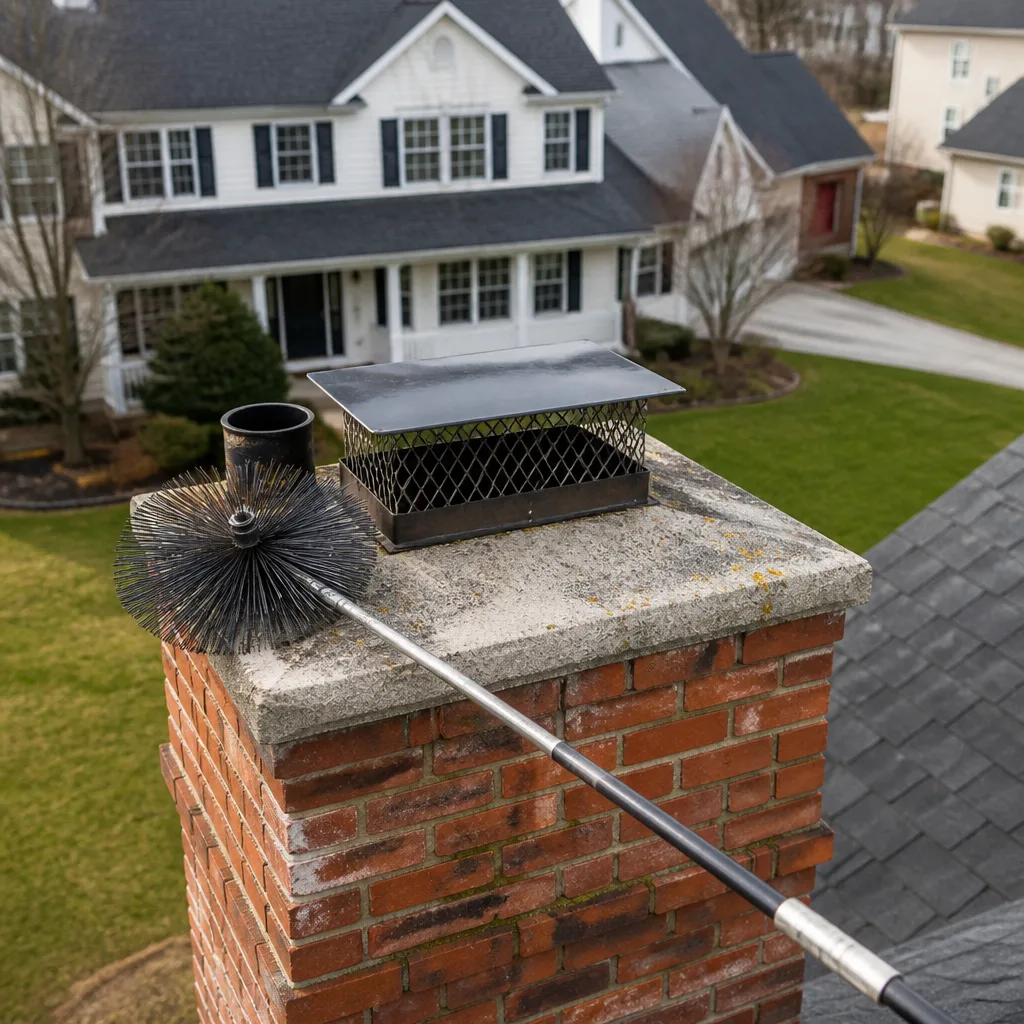
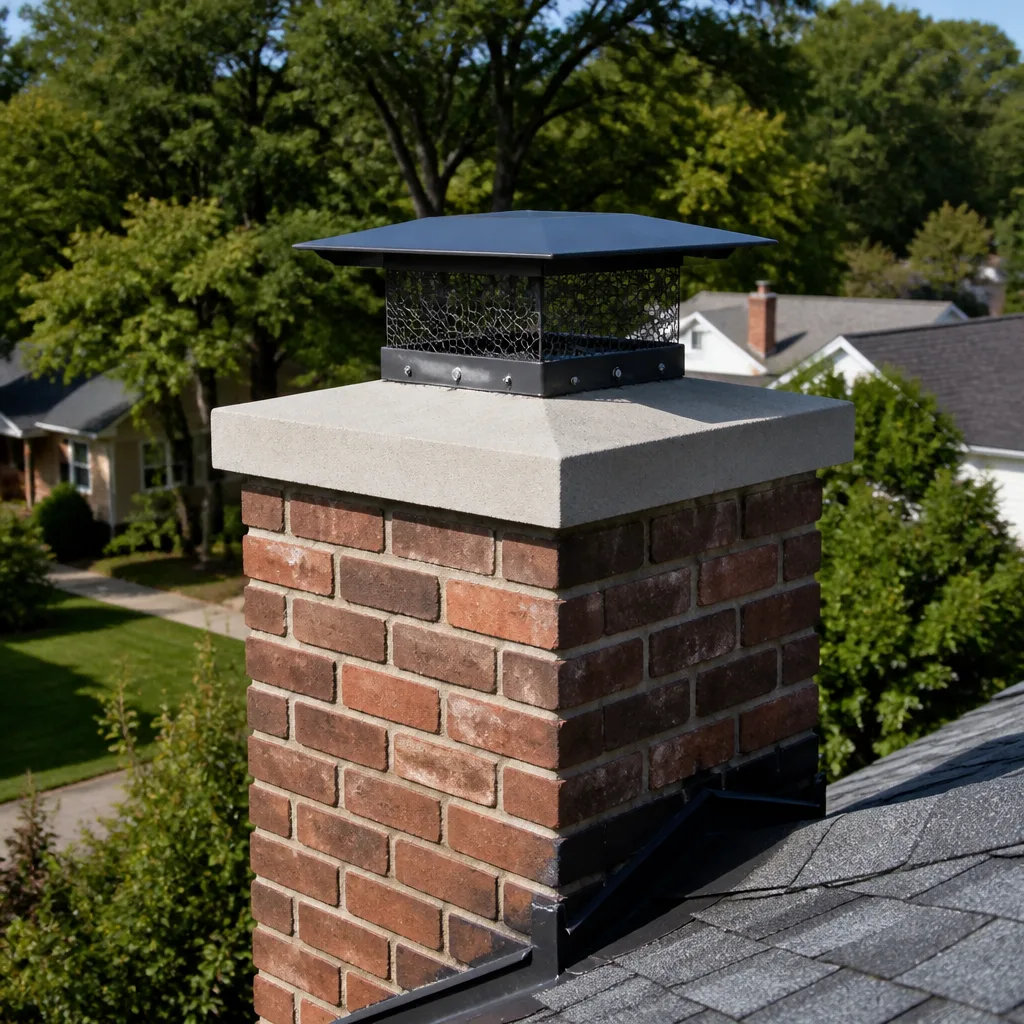
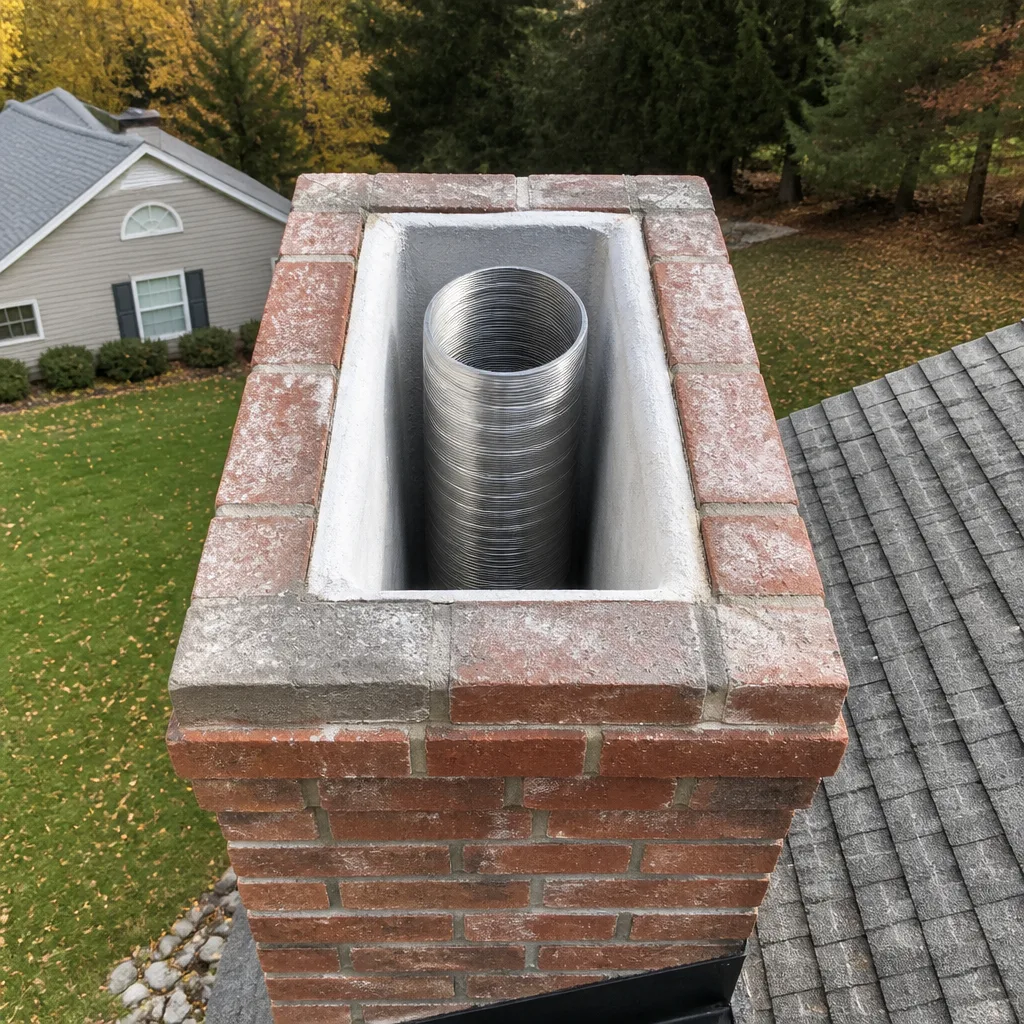
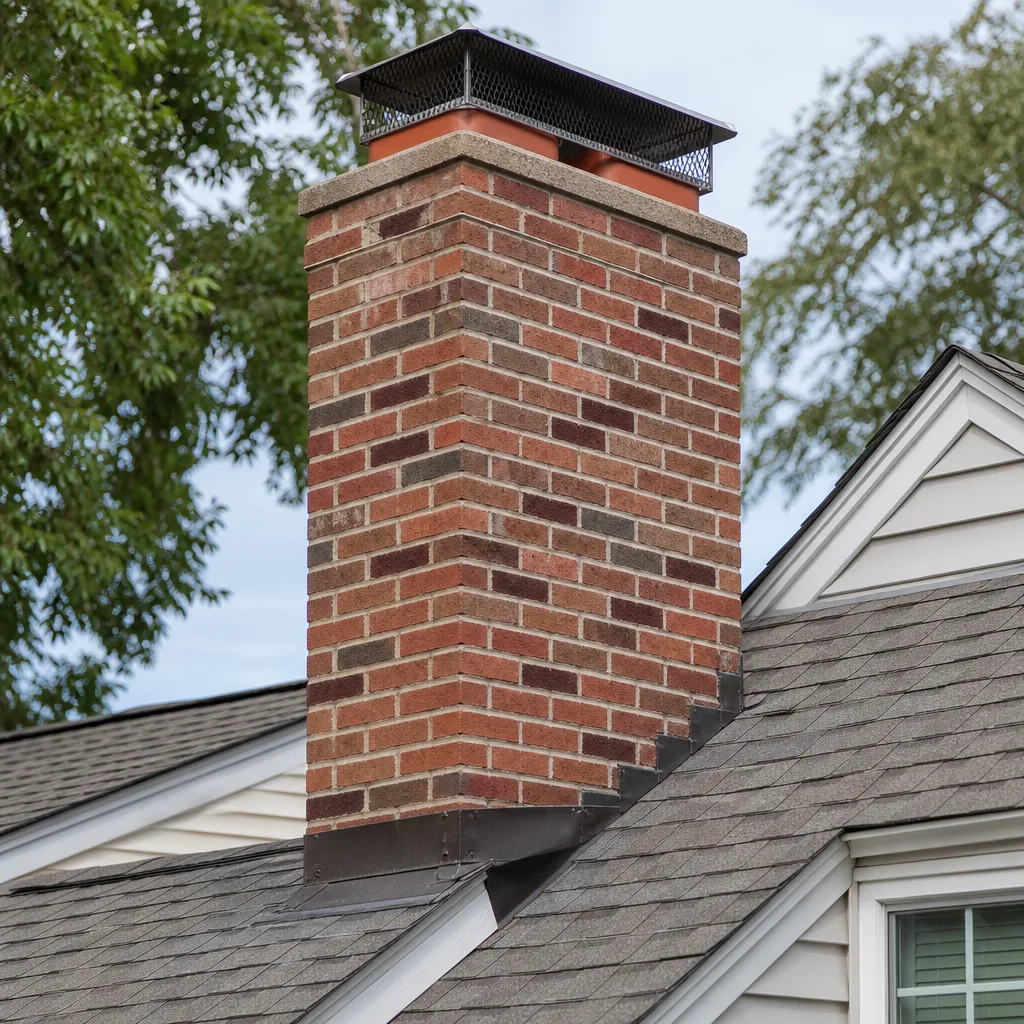
Level 1 sweep and inspection to the NFPA 211 annual standard - flue, crown, cap, and flashing checked and photographed
Chimney sweep logs do not sweep chimneys. They loosen some creosote - which then falls where a brush and vacuum still have to collect it.
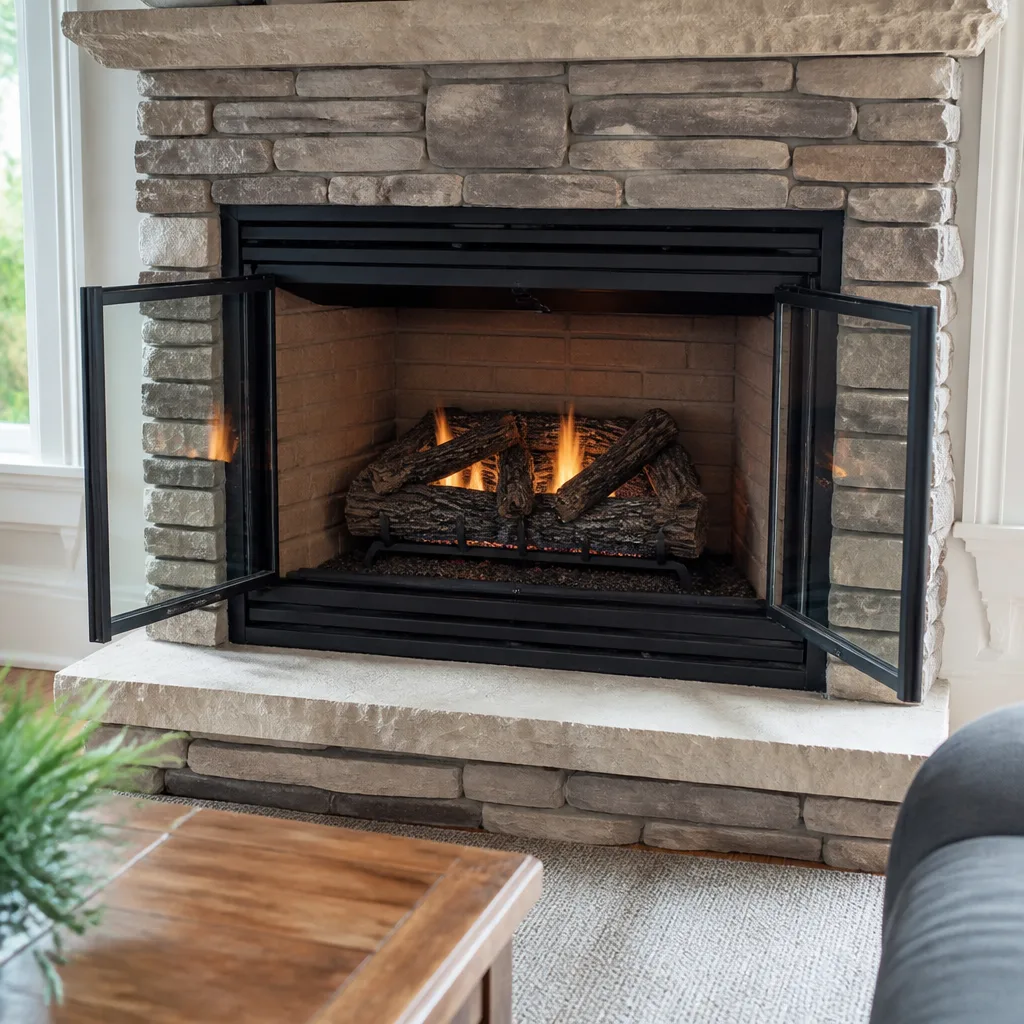
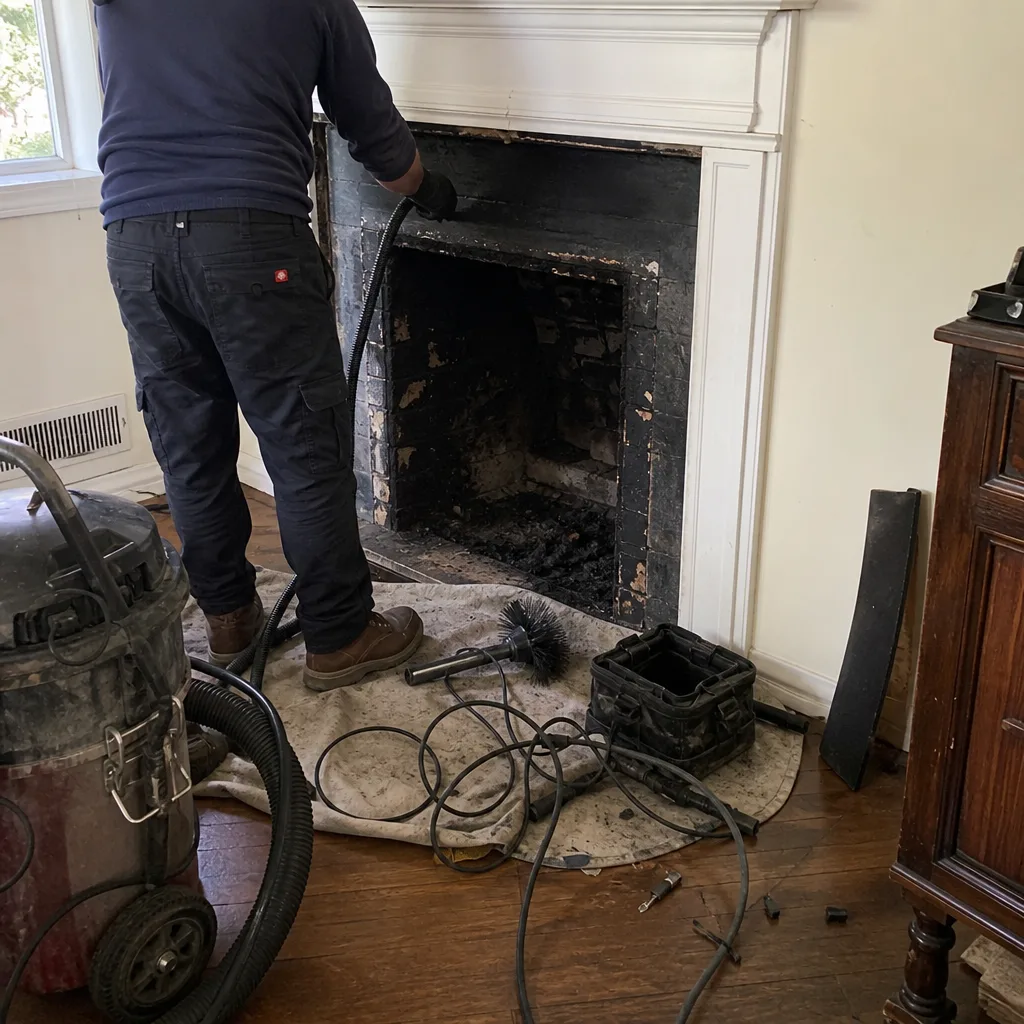 Before
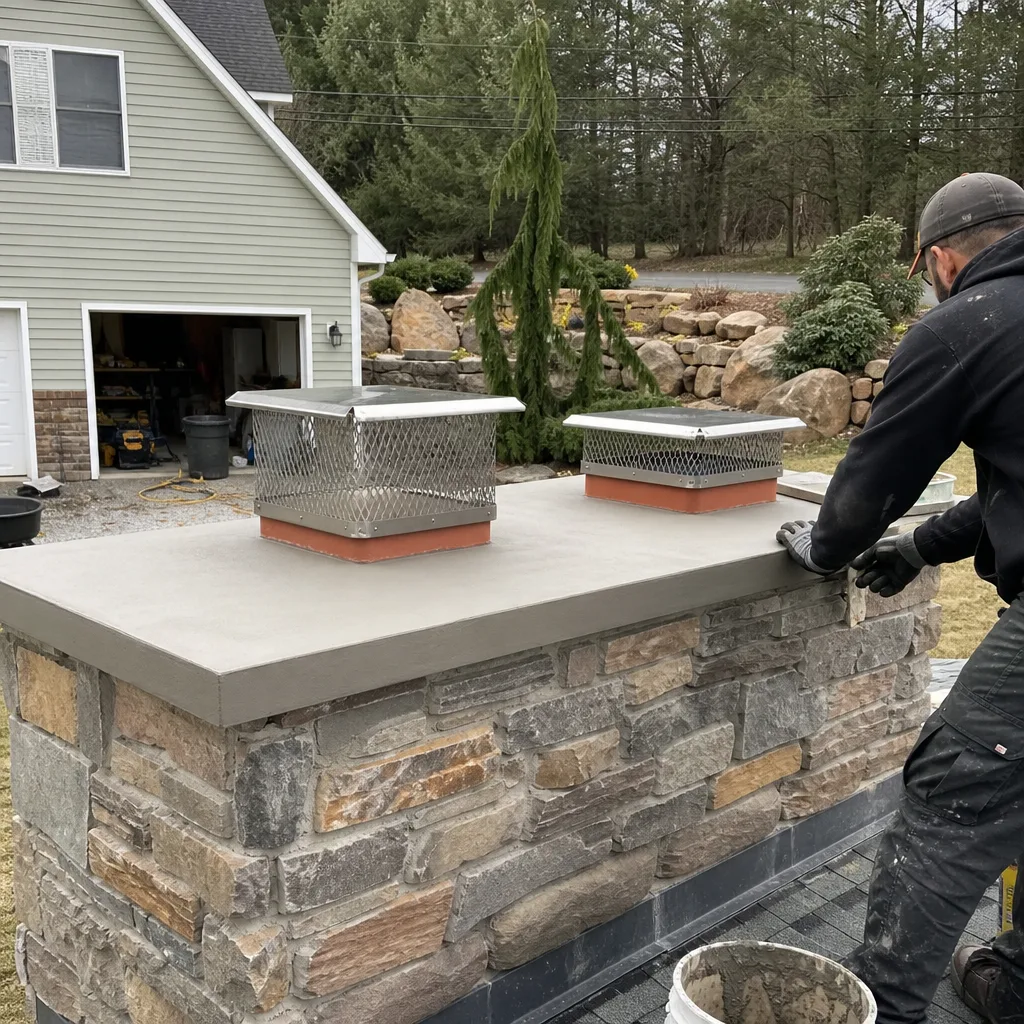 After
After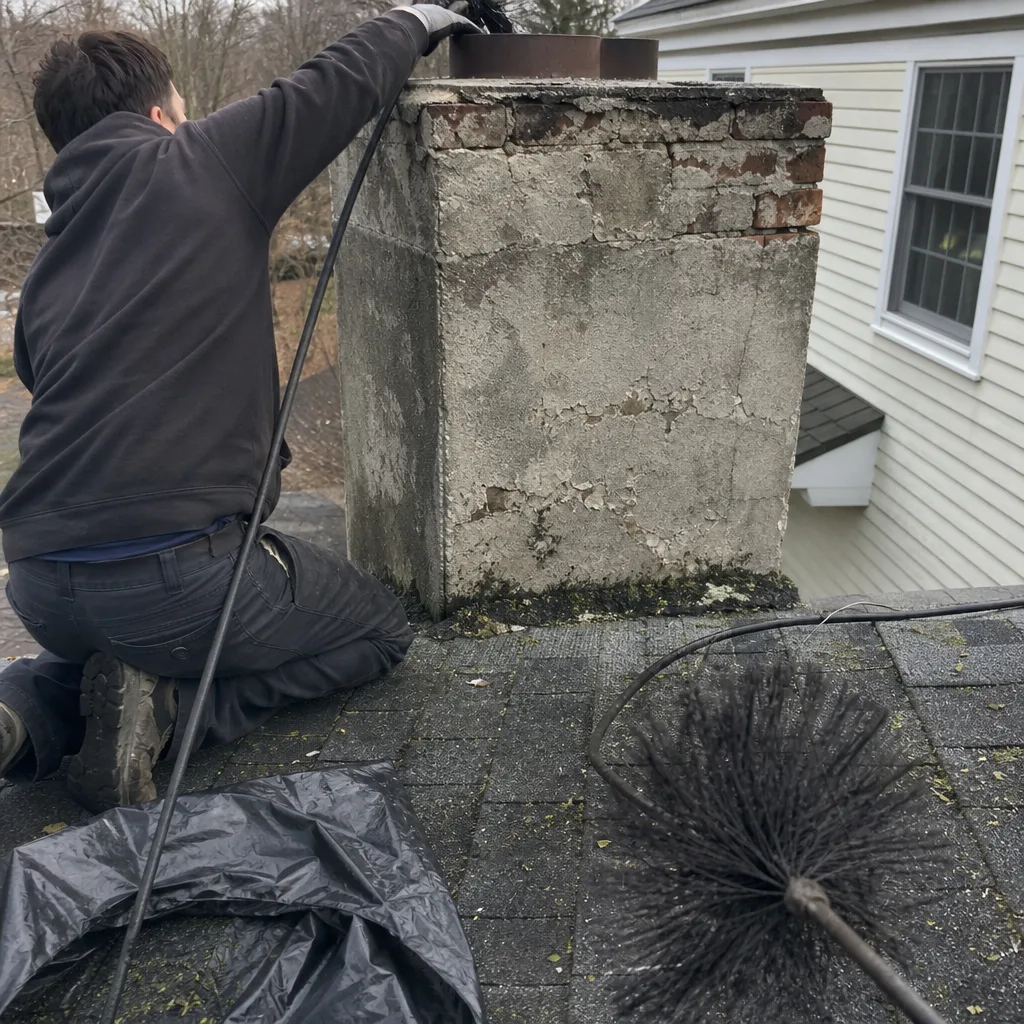 Before
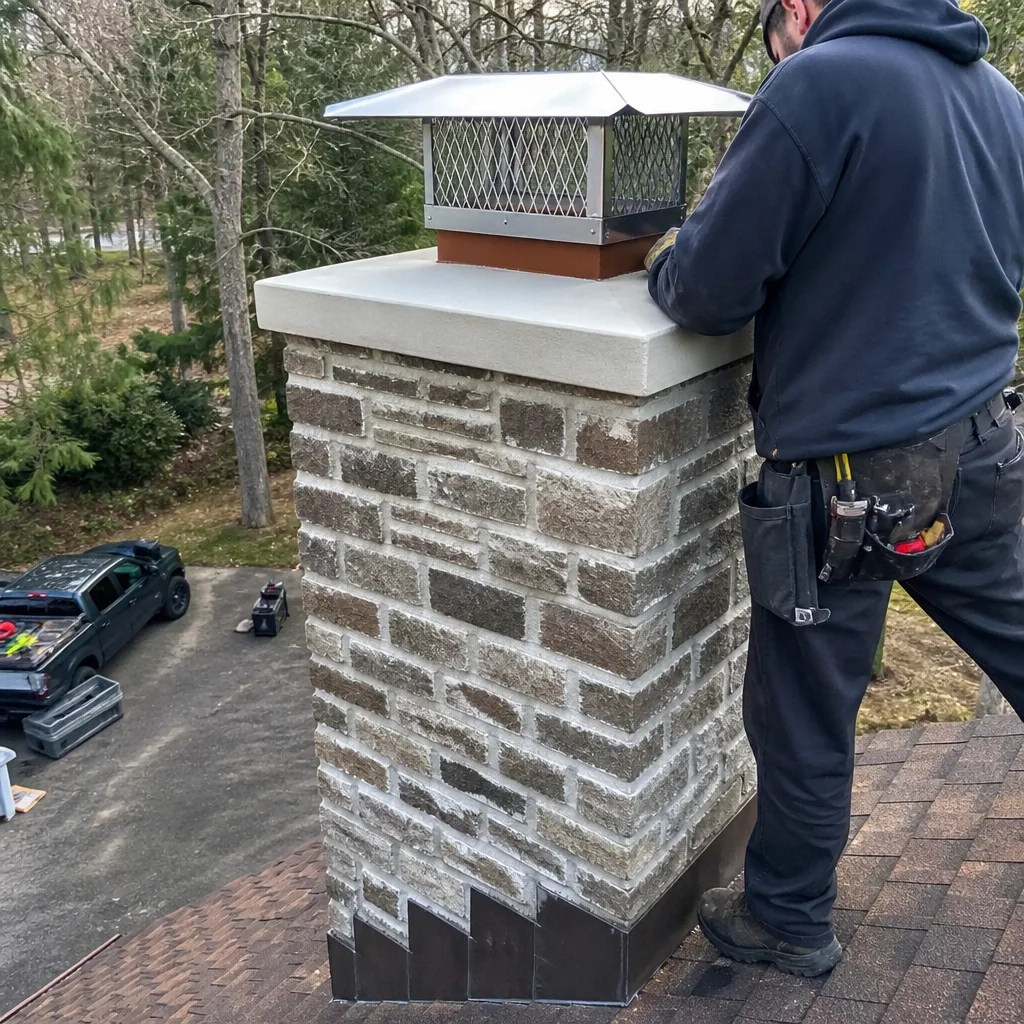 After
After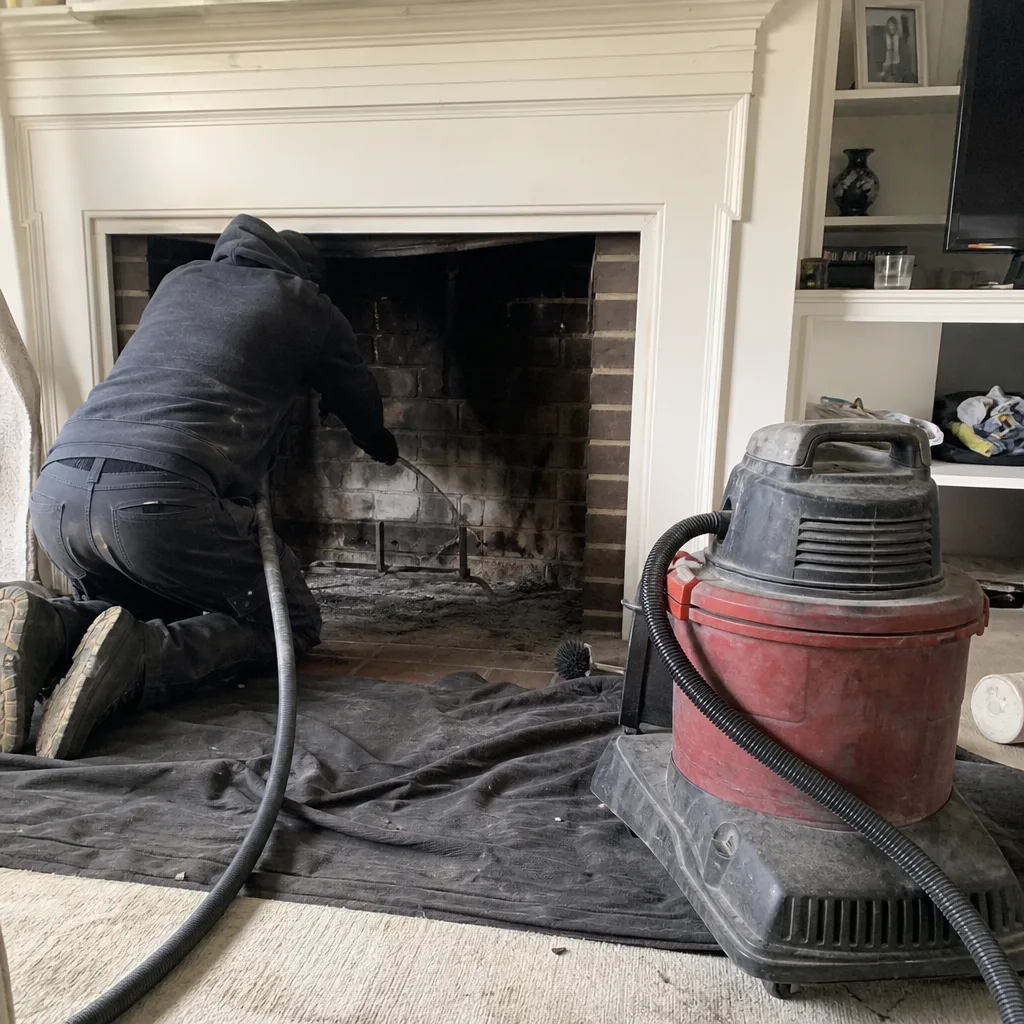 Before
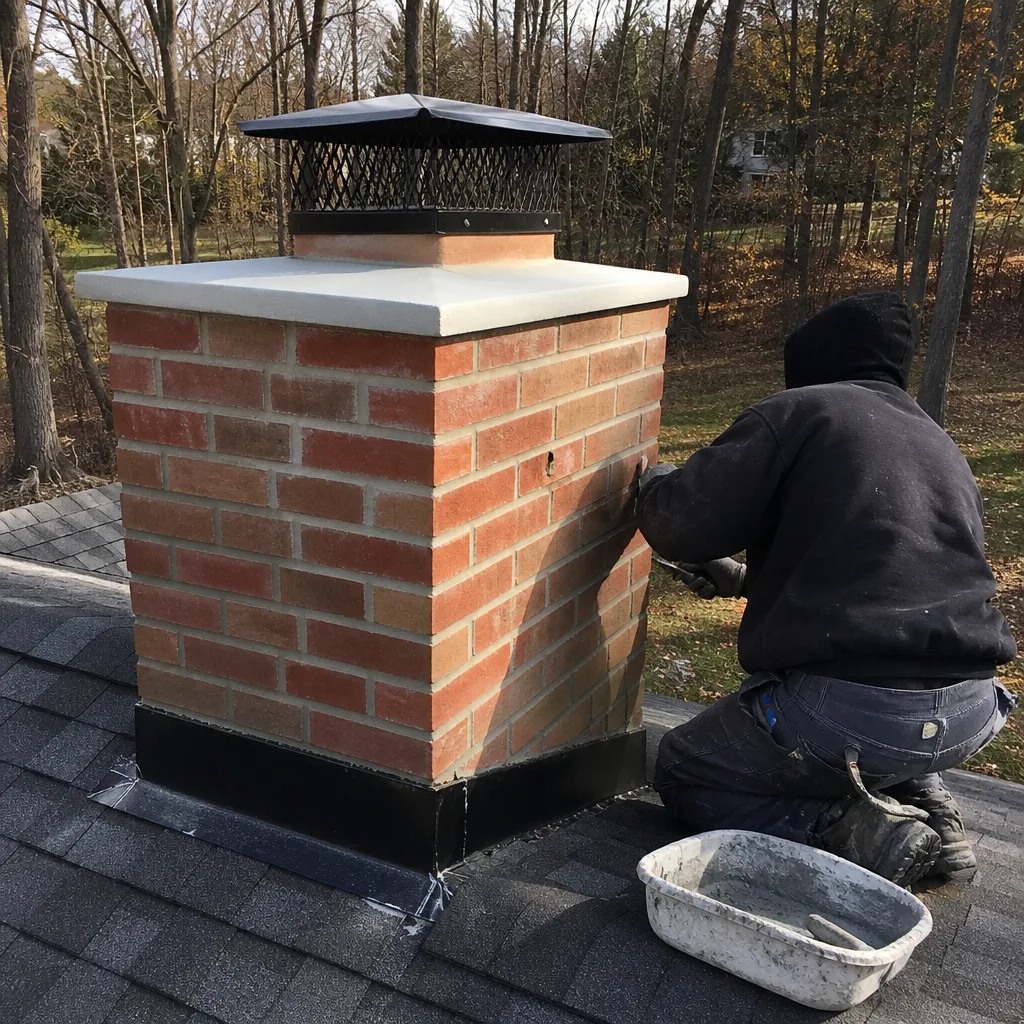 After
AfterCreosote Removal in Westchester County, NY
Creosote removal is the targeted cleaning process that gets rid of the hardened, flammable byproduct that wood smoke leaves on the inside walls of your flue. In Westchester County, where a lot of homeowners are burning wood through a long heating season – sometimes from October straight into April – that buildup happens faster than most people expect. Left alone, heavy creosote deposits are the leading cause of chimney fires, and many of those fires happen quietly inside the flue without the homeowner ever knowing until real damage is done.
If you have noticed a dark, oily smell from your fireplace, seen black flaking debris fall into the firebox, or had a sweep tell you your flue needs Fireplace Cleaning before the next burn, this is the page for you. Wendell Pike and his crew at Top Hat Chimney have been removing creosote from chimneys across Westchester since 1999 – more than two decades of working the same streets, the same older homes, and the same stone chimneys that make this county’s housing stock what it is.
Call (914) 537-6479 anytime – a live person picks up around the clock, and more often than not it is Wendell himself. Or keep reading to understand exactly what creosote removal involves, what it costs in this market, and when you genuinely need it versus when a standard sweep will do. Our full Chimney Cleaning & Sweep in Westchester County page covers the broader scope of what a seasonal inspection looks like from start to finish.
What Creosote Actually Is – and Why Westchester Homes See So Much of It
Creosote forms whenever wood smoke cools before it fully exits the flue. When that happens, the unburned gases condense on the liner walls and stick. Over time, those deposits build up in three distinct degrees, and degree matters a lot when it comes to how the removal is done.
First-degree creosote is the light, dusty, flaky stuff. It brushes off cleanly with the rotary rods and a good poly brush. This is what you get when you burn dry, seasoned hardwood in a properly sized firebox with adequate draft. A standard annual Chimney Cleaning & Sweep handles it without any extra step.
Second-degree creosote is darker, thicker, and starts to look like tar. It has lost most of its moisture and shines a bit. It takes more passes and sometimes a chemical treatment to break it down enough for the brushes to do their job. Wendell sees a lot of this in homes in northern Westchester – places like Yorktown Heights and Cortlandt Manor – where long, cold winters push homeowners to load the firebox heavy and let it smolder overnight rather than burn hot and clean.
Third-degree creosote is what the industry sometimes calls “glaze.” It is a hard, shiny coating that bonds to the liner surface almost like a lacquer. You cannot brush it off. It takes a chemical product – we often use Gelco’s creosote removal formulations in these situations – applied over one or more burns to dry and crack the glaze, followed by a thorough mechanical cleaning. This is the stage where you really do not want to keep burning until the job is done; the ignition temperature of third-degree deposits is low enough that a hotter-than-usual fire can set the whole column of buildup alight.
Westchester County homes accumulate creosote faster than average for a few specific reasons. The county sits in a climate zone where shoulder-season burns are common – homeowners light a fire in late September and again in early May because the evenings are cold but the heating system has not kicked on yet. Those low, smoldering fires produce more smoke and cool it more quickly, which is exactly the condition that builds creosote. Older homes in places like Ossining, Sleepy Hollow, and Pelham often have oversized, pre-1980 flues that were designed for coal or large open hearths, and running a modern insert or smaller wood fire in those proportions creates a slow, cool draft. That combination is a creosote factory.
When You Need Creosote Removal
- Your flue has more than 1/8 inch of deposit on the liner walls. That is the threshold the Chimney Safety Institute of America uses to call a flue “unsafe to operate.” At that thickness, the risk of ignition during a normal burn is real. The only way to know your actual deposit depth is a camera inspection – we include that on every job.
- You smell a heavy, acrid, creosote-asphalt odor coming from the firebox. This is especially common in Westchester during humid summers. The moisture activates the deposits and pushes the smell into the living space. It is not just unpleasant – it is a sign that enough material has built up to be doing that.
- Black, chunky debris falls into the firebox during or after a fire. That debris is second-degree creosote breaking away in pieces. Where one piece fell, more is ready to fall – and if enough breaks loose at once and catches a hot ember, you have a problem.
- You burn frequently through the season and skipped last year’s sweep. One cord of green or partially seasoned wood burned across a Westchester winter can deposit enough material to push a clean flue into second-degree territory by spring. We see this regularly in homes in Katonah and Chappaqua where fireplaces are the primary supplemental heat source.
- A previous inspector told you that you had creosote buildup and you have not addressed it yet. If you got a written estimate from another company and want a second look before committing, we offer a free second opinion on any written estimate – no trip charge inside Westchester County.
- You are buying a house in Westchester and the inspection report flagged the chimney. Creosote does not negotiate a closing date. We can usually get eyes on a flue within a few days and give you a plain-English camera report you can use at the table.
Our Creosote Removal Process
- Visual inspection and camera scan before anything comes off the truck. Wendell or one of his crew starts with a look at the firebox, smoke chamber, and a full-length camera run of the flue liner. This tells us exactly what degree of creosote we are dealing with and whether the liner itself has any cracks that need separate attention. You see the footage. There is no mystery diagnosis.
- Protecting the room. Drop cloths go down on the hearth and surrounding floor. The fireplace opening gets sealed with a heavy-duty dust barrier before any brushing begins. In older Westchester homes where the living room carpet or hardwood runs right up to the hearth, this step matters more than it sounds.
- Mechanical cleaning from the top. For first- and second-degree deposits, we work from the roofline down with rotary rods and chimney brushes sized to the specific liner diameter. The rotation breaks the deposit loose cleanly without scratching a good liner. This step is done carefully – high-tension chimney cleaning rods can snap under the wrong load, and our crew handles the equipment every working day.
- Chemical treatment for second- or third-degree deposits. When deposits are too thick or too glazed for mechanical brushing alone, we apply a chemical creosote modifier – we work with Gelco products in these situations – that is designed to change the molecular structure of the glaze and make it brittle enough to remove. Depending on the severity, this may require the homeowner to run one or two treated fires before we return for the final mechanical pass. We walk you through that process clearly before we leave.
- Post-cleaning camera verification. After cleaning, the camera goes back in. You see before and after. The liner walls should be visibly clean and the liner condition confirmed. If the camera shows remaining buildup or reveals damage that was hidden under the deposits – things like spalled clay tile sections or a cracked liner joint – we tell you what we found and what your options are. No work happens without your approval.
- Written report and 90-Day Done Right Promise. Every completed job gets a written summary of what was found, what was done, and the condition of the flue at completion. The 90-Day Done Right Promise is on that paperwork in plain language: if the work is not right, one call brings us back at no additional cost. That promise has been part of every Top Hat Chimney job since Wendell started running the truck himself.
Creosote Removal Pricing in Westchester County
Creosote removal in Westchester County typically runs between $180 and $650 depending on the degree of buildup, the liner type, and whether chemical treatment is needed in addition to mechanical cleaning. That is a wide range, and the reason for it is real: brushing a first-degree flue in a 1990s ranch in Scarsdale is a fundamentally different job from treating a glazed, third-degree deposit in a 19th-century stone chimney in Hastings-on-Hudson.
| Service | Typical Range (Westchester County) |
|---|---|
| Standard sweep with light creosote (first-degree) | $180 – $250 |
| Second-degree creosote removal (mechanical) | $250 – $390 |
| Third-degree creosote removal (chemical + mechanical) | $390 – $650 |
| Camera inspection included with cleaning | Included on every job |
| Second opinion on a competing written estimate | Free |
A few things affect where your job lands in those ranges. Liner material matters: stainless steel liners from systems like those installed with HeatShield applications clean differently than old clay tile flues with irregular interior surfaces. Flue height matters too – a three-story colonial in Bronxville has a longer column to clean than a ranch-style home in Yorktown. And if the chimney has not been swept in several years, expect more time on site and a price toward the higher end of the bracket.
What will not affect your price: showing up at the door and quoting something different than we said on the phone. Upfront pricing is delivered before a single tool comes off the truck. The number you hear from us on the phone is the number on the invoice.
If your job comes in over $200 in repair work – liner patching, smoke chamber resurfacing, or anything beyond the cleaning itself – our standing $40-off repair offer applies automatically. Seniors and veterans always get 10% off the total. No coupon needed, no asking required.
Call (914) 537-6479 for a free estimate. We will ask you a few honest questions about your setup and give you a real number before we book anything.
FAQs – Creosote Removal
How often does creosote need to be removed from a Westchester County chimney?
Once a year is the right interval for most Westchester homeowners who burn wood regularly, and even chimneys that saw little use through the season should get a Level 1 Inspection annually. The National Fire Protection Association standard calls for yearly inspection regardless of use frequency – and in practice, Wendell finds that chimneys that sat empty all winter often have just as many issues as the ones that burned heavily, just different ones (animal intrusion, crown cracking, moisture damage). If you burned more than a cord of wood last season or used green wood at any point, do not wait the full year. Call (914) 537-6479 and we can tell you in five minutes whether it makes sense to come out sooner.
Can I remove creosote myself with one of those chemical logs?
Chemical creosote logs – the kind sold at hardware stores – can reduce light, first-degree deposits when used consistently as a preventive measure throughout the burn season. They are not a substitute for professional removal when deposits are already significant, and they do nothing meaningful against second- or third-degree buildup. What they tend to do with heavier glazed creosote is break it loose in chunks rather than clean it out, which can actually increase the risk of a debris-caused blockage. Use them to slow accumulation between sweeps, not to replace one. If you are looking at the firebox and seeing black, shiny, or chunky deposits, that is a professional job. Call us for a free estimate rather than guessing at what you are dealing with.
Is creosote removal covered by homeowners insurance in New York?
Routine creosote removal is considered preventive maintenance and is not covered by standard homeowners insurance policies in New York – same as cleaning a furnace filter or gutters. However, if a chimney fire caused by creosote buildup results in structural damage to the flue or surrounding structure, that resulting damage is often covered under the dwelling portion of a standard policy, subject to your deductible and the specific terms of your coverage. The cleaning that should have prevented it is still your cost. The practical takeaway: a $250 annual sweep is a lot cheaper than a deductible on fire damage. If you have had a chimney fire – even a small, quiet one you may not have noticed – call us; we can document the flue condition with camera footage, which insurers sometimes require. Reach us at (914) 537-6479.
What happens if third-degree creosote is not removed?
Third-degree creosote left in place is one of the more serious fire hazards in a wood-burning home. The glaze ignites at a lower temperature than people expect, and once it lights inside the flue it burns intensely – hot enough to crack clay tile liners, warp stainless steel, and transfer heat through the chimney structure to adjacent framing in the walls or attic. Many of those fires are never detected during the event; the homeowner finds the damage during a later inspection. If a sweep or inspector has told you that you have glaze-stage deposits after a Level 2 Inspection, that is not a “schedule it sometime” situation. We will tell you the same thing honestly whether the answer means more work for us or less – that is what the 90-Day Done Right Promise is built on. Call (914) 537-6479 and we will get a camera in the flue and give you a straight answer.
Why Westchester Homeowners Call Top Hat Chimney
There is no shortage of chimney companies that will take your call in Westchester County. What is harder to find is a sweep who has been working the same towns for over 29 years, puts his name on the invoice, and is reachable after the truck pulls away. Wendell Pike started Top Hat Chimney in 1999 and has been the name behind the work ever since. He is not a franchise owner who bought a territory and hired out the labor. He is a sweep who works alongside his crew, knows the older housing stock in this county the way a good mechanic knows an engine, and backs every job with a written 90-Day Done Right Promise.
If the flue is fine and does not need work, Wendell will tell you that. If it needs something, he will show you the camera footage and explain it plainly before he quotes anything. That is how he has stayed in the same communities since the late 1990s. Ask anyone on your street.
From the home page you can see the full range of services Top Hat Chimney covers across Westchester County – from creosote removal and liner work to cap and crown repairs. Everything under one name, one phone number, and one promise.
Call (914) 537-6479 to schedule your inspection or get a free estimate. A live person answers around the clock – no voicemail, no call center. If your chimney needs attention before the next burn season, now is the right time to find out exactly where things stand.
Written by Wendell Pike, Owner at Top Hat Chimney, serving Westchester County since 1999.