
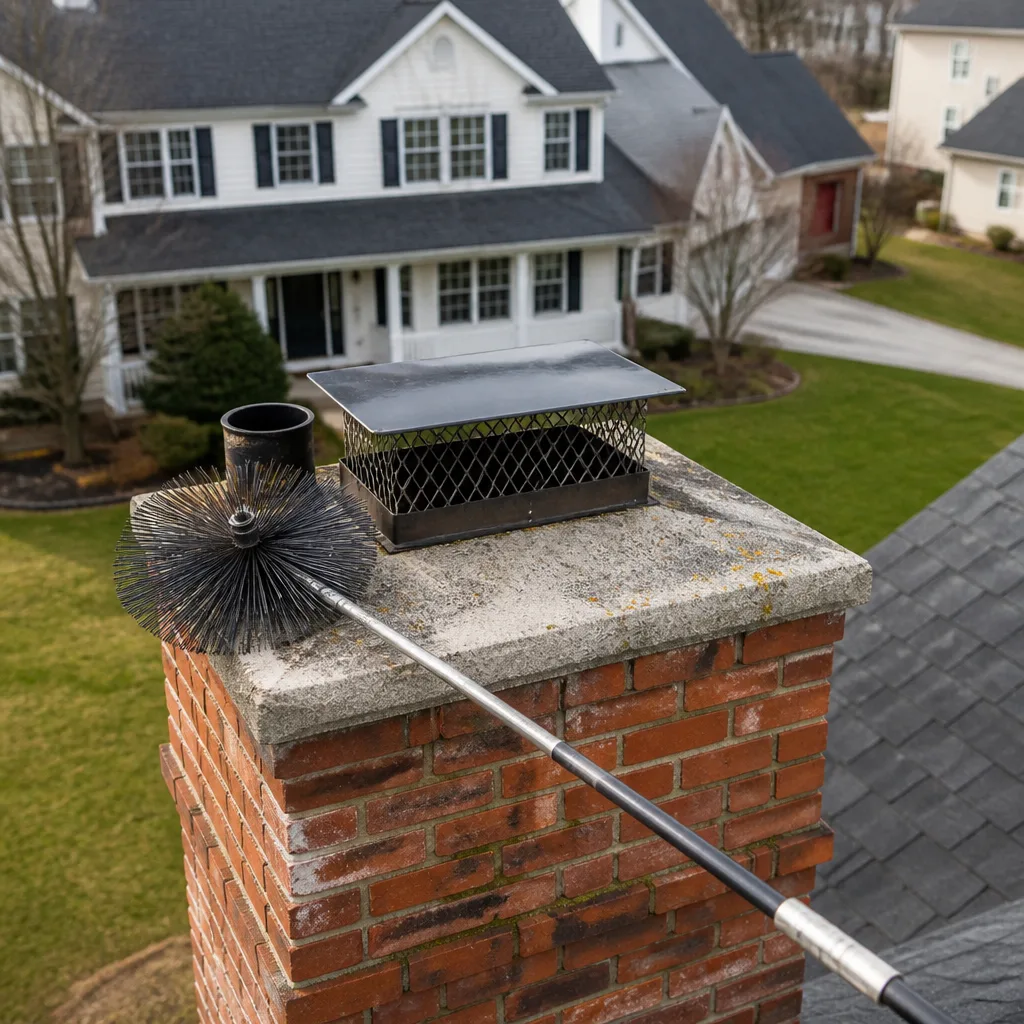
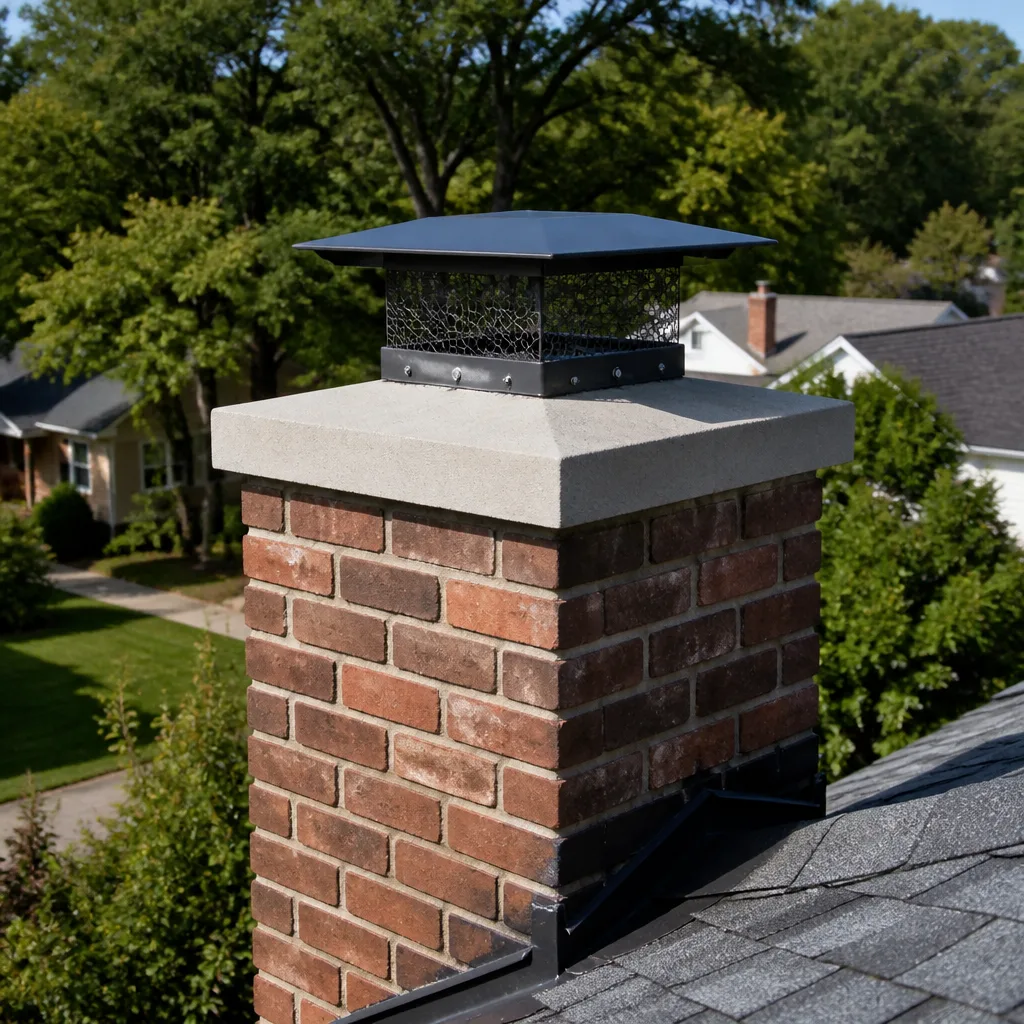
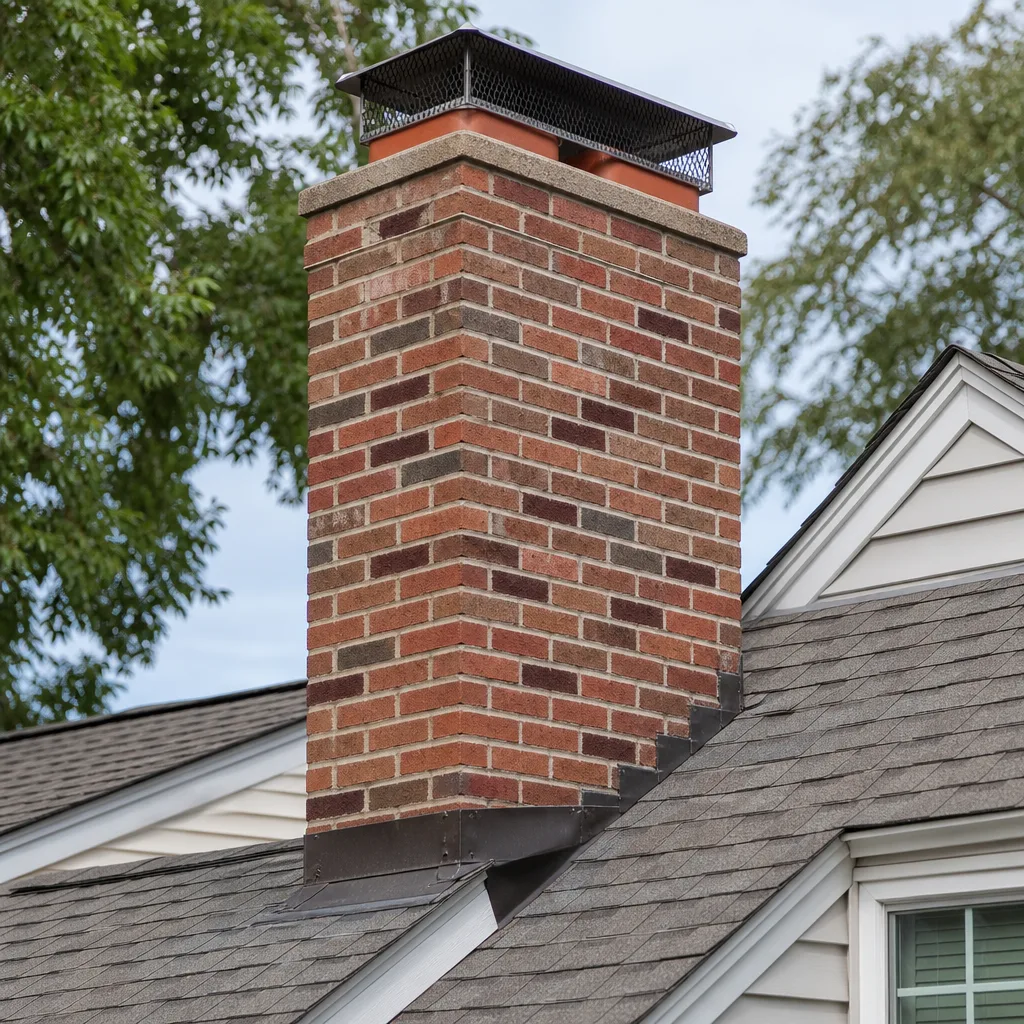
Level 1 sweep and inspection to the NFPA 211 annual standard - flue, crown, cap, and flashing checked and photographed
Chimney sweep logs do not sweep chimneys. They loosen some creosote - which then falls where a brush and vacuum still have to collect it.
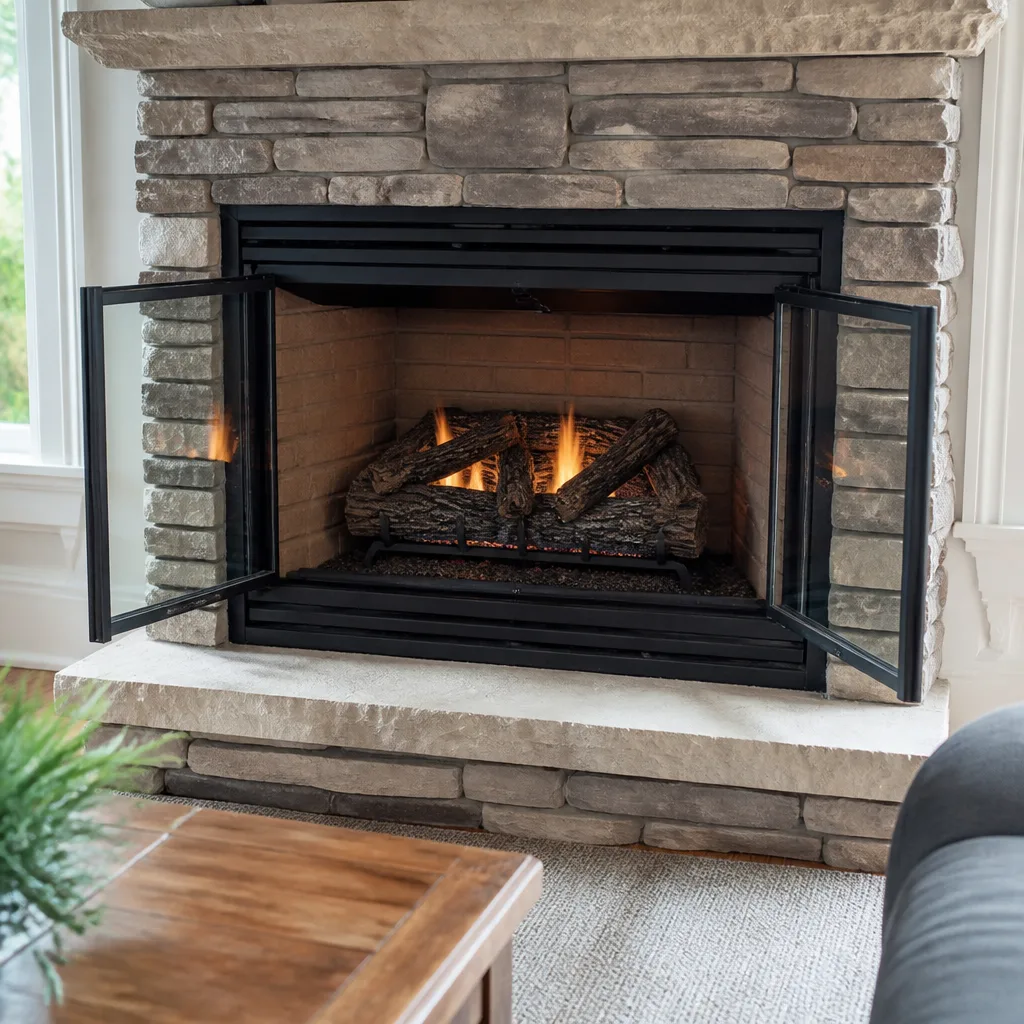
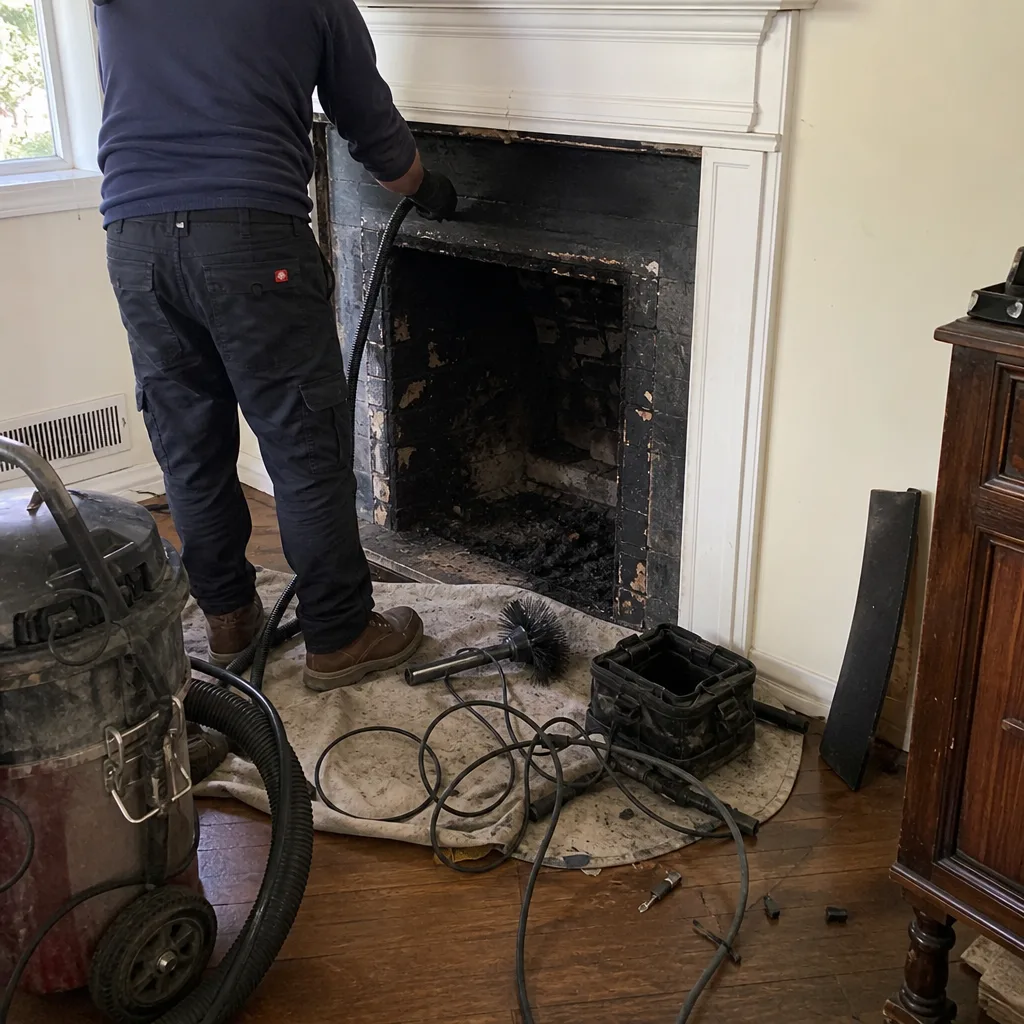 Before
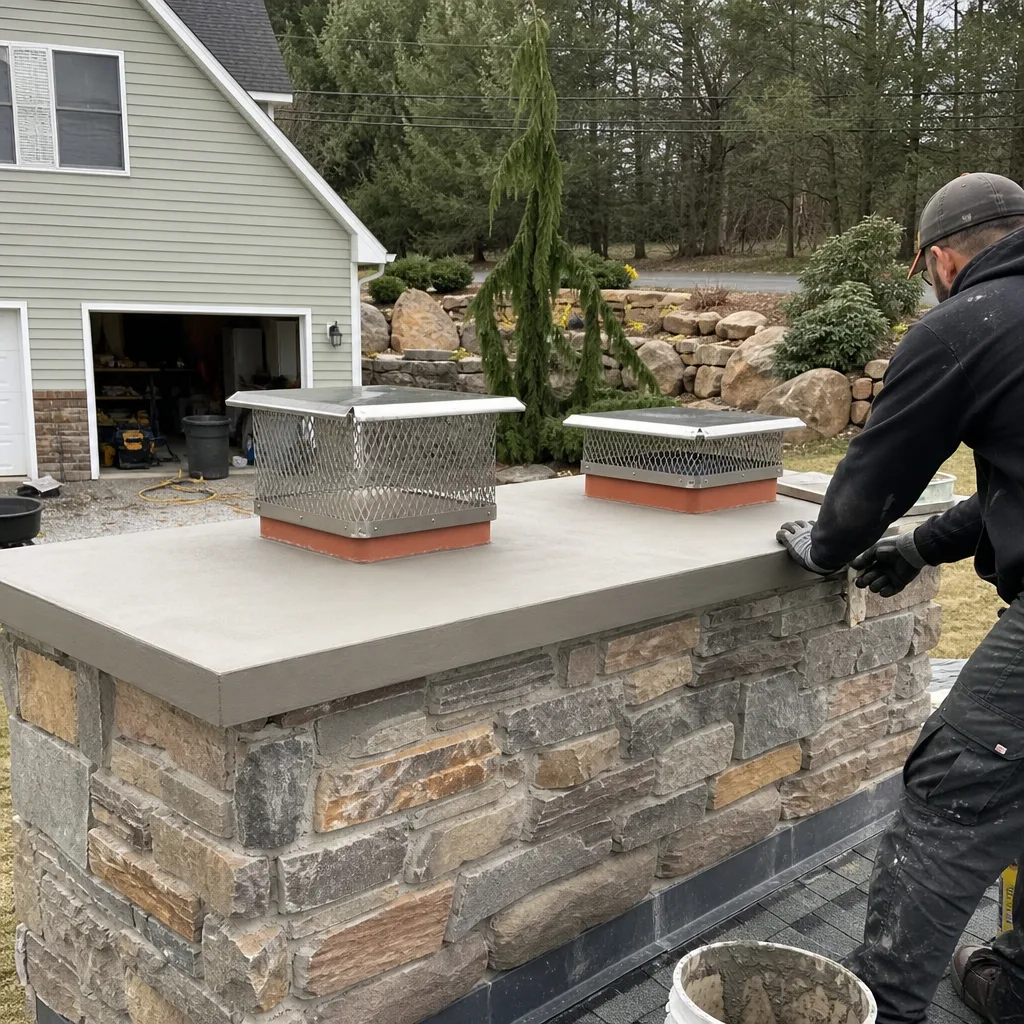 After
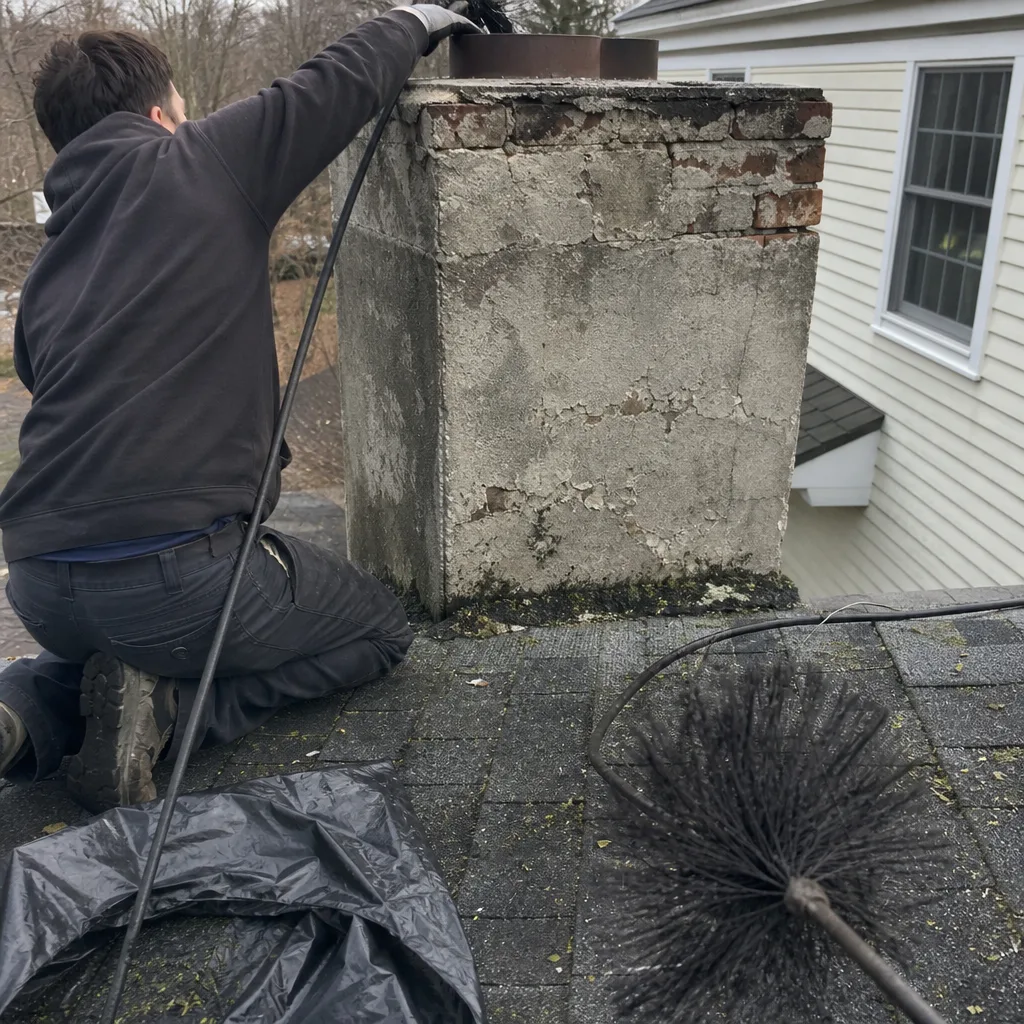 Before
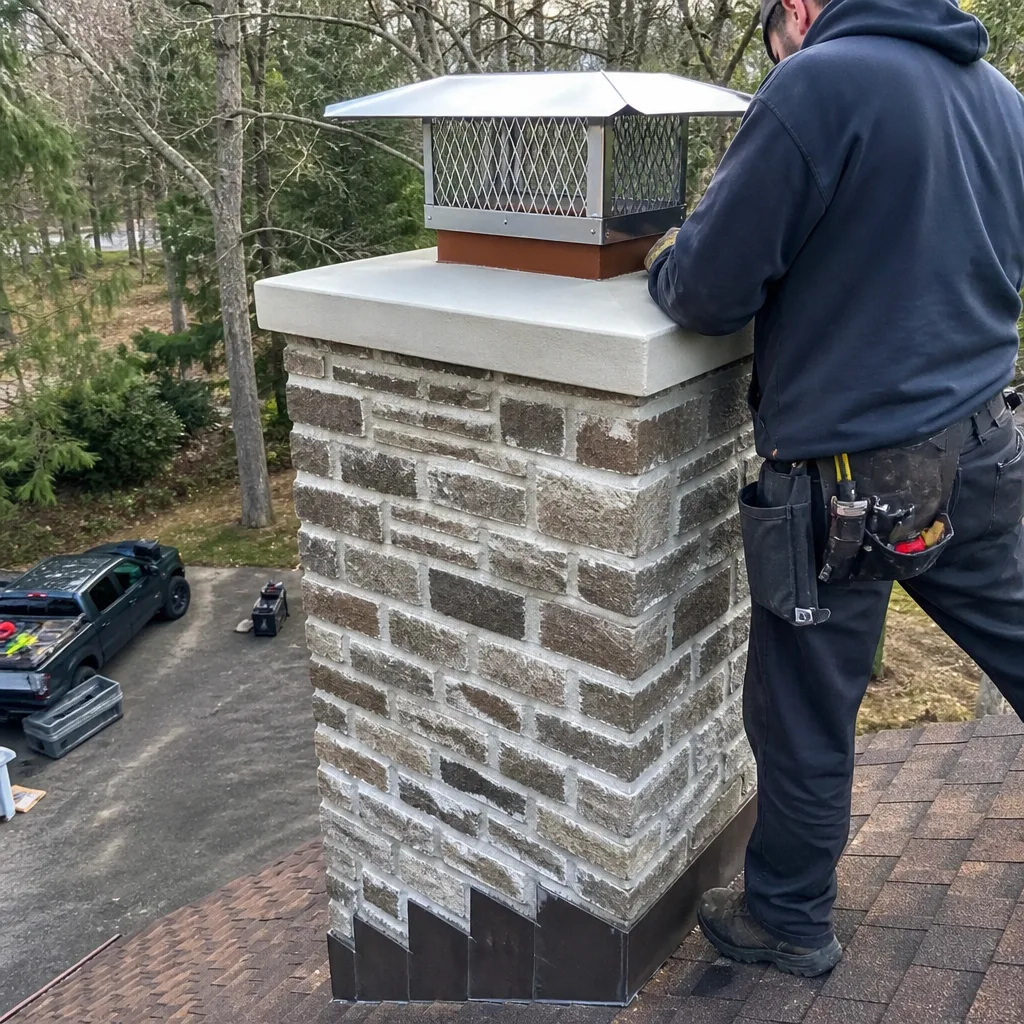 After
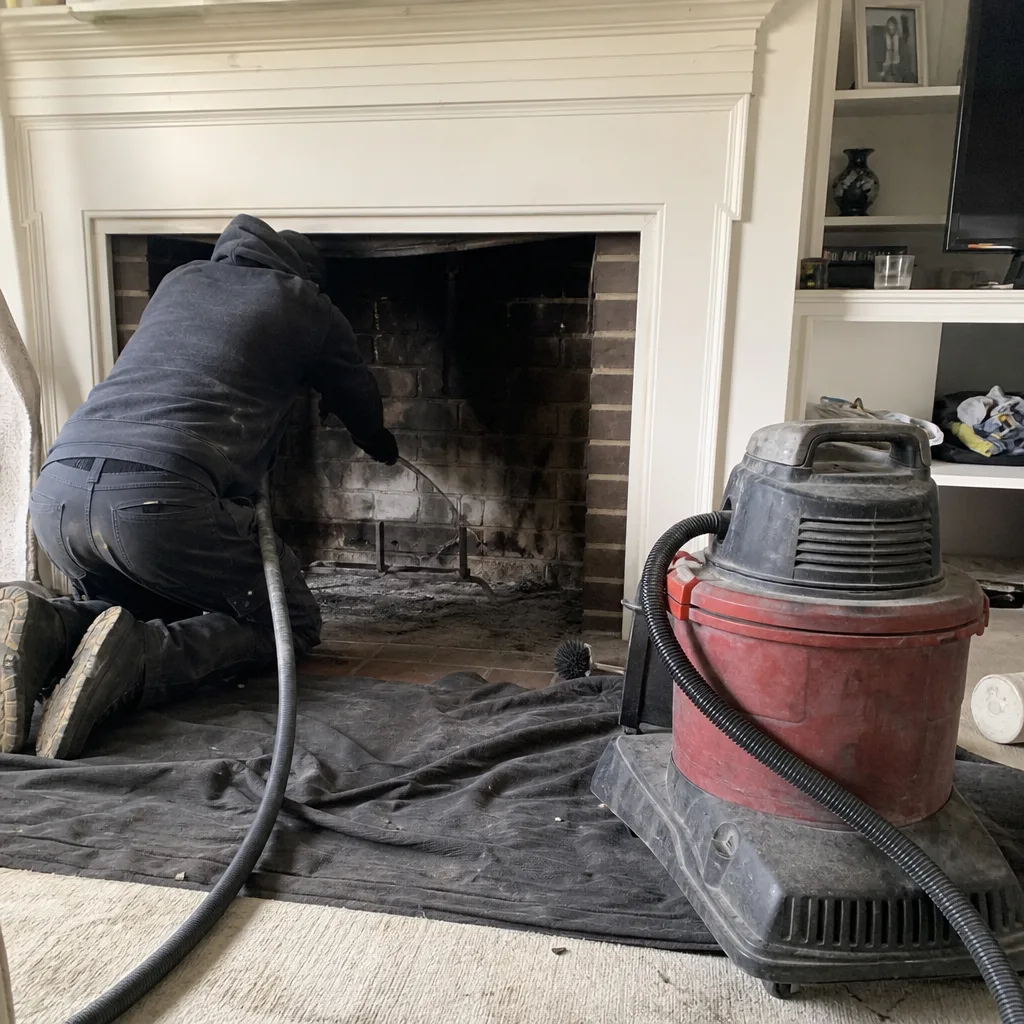 Before
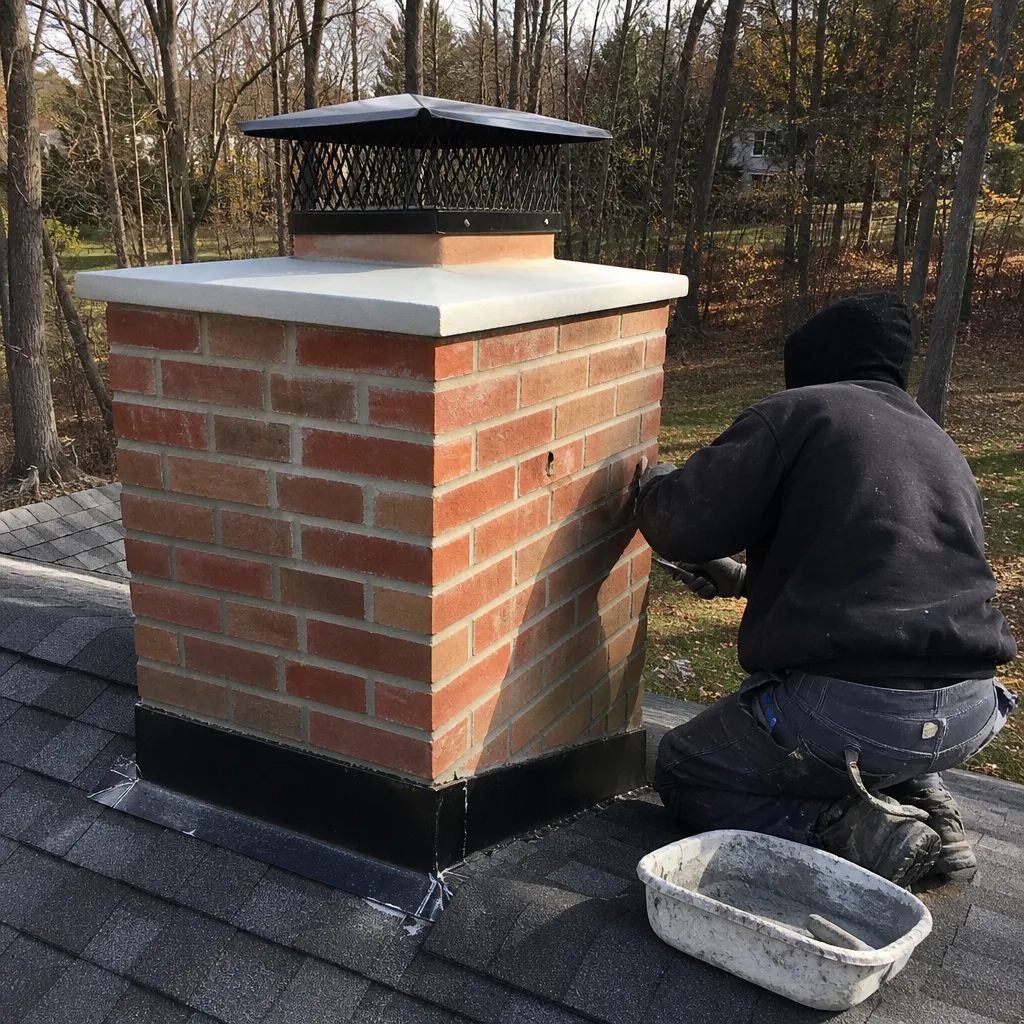 After
HeatShield Flue Liner Replacement: The Westchester County Owner’s Guide
We stock and install HeatShield-compatible flue liner replacement sections, and most Westchester County jobs run between $1,800 and $3,400 installed depending on liner length, access, and whether the old liner fights us on the way out. We can usually get the part in hand within two to three business days, and we show up with the right section on the truck, not a guess. The way most homeowners find out: the boiler or furnace starts throwing a draft error, or an annual sweep turns up crumbling joints and flaking liner wall. Or the water heater vent starts weeping white scale at the seam. HeatShield liners are cast-in-place systems, and when the ceramic surface starts spalling, it’s not a brush job anymore.
Which HeatShield Models This Applies To
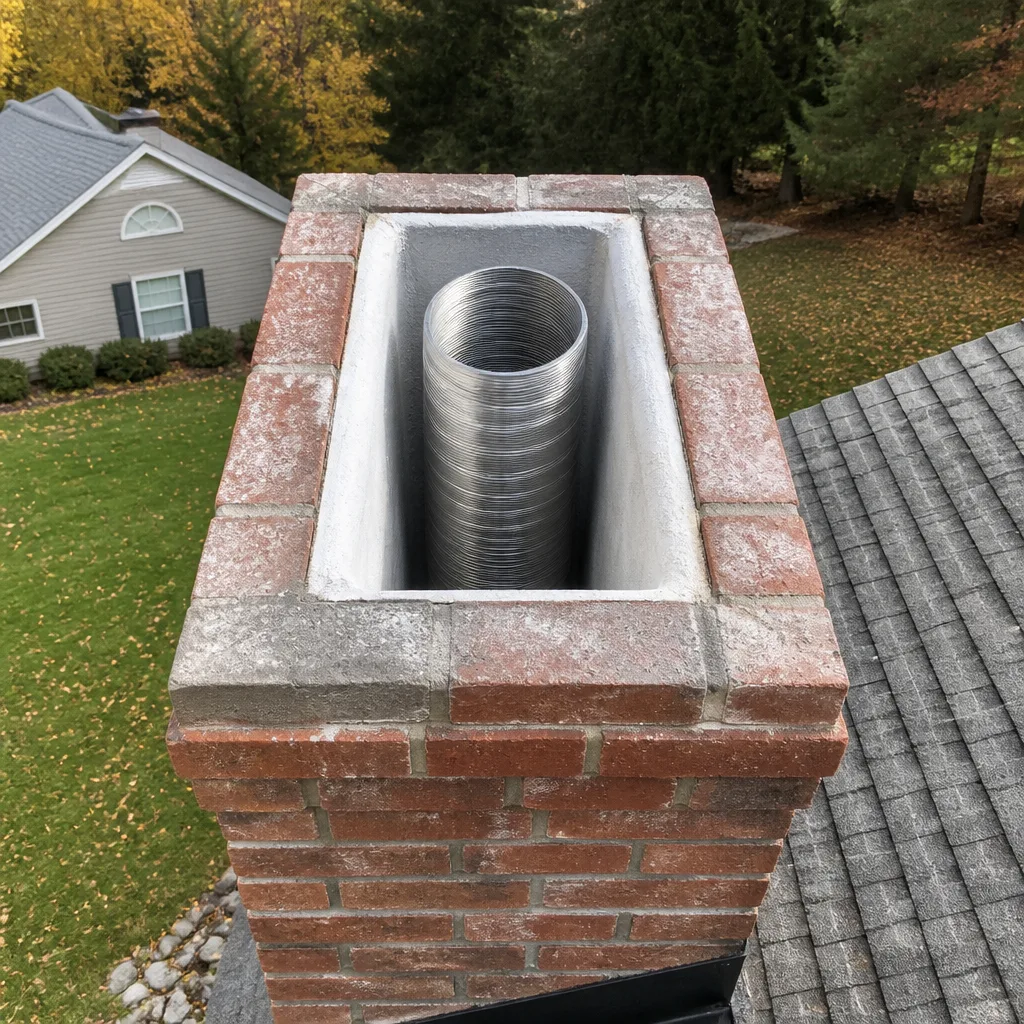
HeatShield is a cast-in-place ceramic flue lining system, not a modular metal liner, so replacement usually means re-forming the ceramic wall inside the existing flue, or in some Westchester homes, installing a new stainless liner system where the HeatShield has degraded past the point of re-coating. The two lines we see most often in this county are the HeatShield Cerfractory system (a pump-sprayed ceramic resurfacer applied over a forming bladder) and the HeatShield Joint Repair system, used when only mortar joints between clay tile sections have failed. If you have a HeatShield product that needs replacement, the first step is identifying which system you actually have. The warranty paperwork, if you kept it, will say “Cerfractory” or “Joint Repair.” If you don’t have the paperwork, the inside of the flue tells us pretty fast: a smooth, monolithic ceramic wall means Cerfractory; visible clay tile with scarred or missing mortar lines means Joint Repair. Aftermarket equivalents exist, but for a cast-in-place liner we prefer to stay with HeatShield spec material, because the expansion coefficient of the replacement ceramic has to match whatever is still bonded inside your flue. Mixing brands in a flue liner is like mixing mortar recipes mid-wall. It can work. It usually doesn’t. We also stock and install stainless alternatives when a liner is too far gone to re-cast. DuraFlex and Gelco both make retrofit liners we trust and install regularly.
Signs Your HeatShield Flue Liner Replacement Is Failing
- White or gray flakes falling into the firebox or around the cleanout door. This is spalled ceramic material from the liner wall itself. Once the surface starts shedding, the underlying material is exposed to flue gas acid, and the failure accelerates fast.
- Draft problems that appear seasonally. A flue that pulled fine all last winter and now backdrafts on windy days often means the liner surface has roughened or cracked, disrupting the laminar flow of exhaust gas. In Westchester County, temperature swings between cold nights and warm afternoons can open hairline cracks wider over a single season.
- Water staining on the wall or ceiling near the chimney chase. A failed cast-in-place liner lets condensation run inside the flue cavity, and that moisture migrates through masonry to the interior finish. By the time you see the stain, the liner has usually been leaking for a while.
- A sudden change in the smell of the exhaust near the chimney top. If the flue gas smells sourer or wetter than it used to, the liner is no longer containing the full exhaust stream. In an older Westchester home with a shared flue serving furnace and water heater, this can also mean carbon monoxide is finding a path into the living space rather than up and out.
- The sweep who looked at it last year said “keep an eye on it.” That phrase, in our experience, means the liner was already showing early failure. HeatShield Cerfractory doesn’t heal itself. If it was flagged a year ago, it hasn’t improved.
Replacement Cost & What’s Included
In Westchester County, a HeatShield flue liner replacement runs between $1,800 and $3,400 installed. The spread depends on three things: how many linear feet of flue we’re relining, whether we can access the flue from the roof or need interior access through a closet wall, and whether the existing HeatShield layer has to be removed entirely or can serve as a base for the new application. Short flues on single-story ranches in Yorktown land near the bottom of that range. Three-story center-hall colonials in Mount Kisco or Chappaqua sit near the top. The quote we give before we start is the price you pay. That covers the part, the labor, the cleanup, and our 90-Day Done Right Promise on the work. If it’s not right, one call brings us back, no charge. We also do free second opinions on any written estimate you’ve already got. If a national outfit quoted you a liner replacement, bring us the paperwork. Wendell will tell you straight whether the work is actually needed, and if it isn’t, he’ll say so.
DIY or Call Us?
A HeatShield liner is not a homeowner repair. The material is applied as a pump-sprayed slurry through a core form, and the chemistry and thickness control are the whole job. Get either one wrong and you have a flue that looks passable and performs like a clogged straw. Carbon monoxide is the reason we’re strict about this: a failed or poorly applied flue liner in a Westchester winter, with the windows shut and the furnace cycling, is how people get hurt. What you can safely check: look for flakes in the firebox, note any new staining near the chimney, and if you’re comfortable on a ladder, eyeball the flue top for white crust or cracked surface. That’s it. The rest stays with someone who does this for a living. If you’ve already got a written quote from another company, call (914) 537-6479 and we’ll give you a free second opinion. If the liner is fine, we’ll tell you that too.
FAQs
A HeatShield Cerfractory liner typically lasts 15 to 25 years in Westchester County, though flues serving oil-fired furnaces often run shorter because oil exhaust is more acidic and attacks the ceramic faster. We’ve seen HeatShield liners in gas-only flues go 25-plus, and we’ve pulled oil-furnace liners that were already failing at year 12. The real answer is that the life of the liner depends on what you burn and how often the chimney cycles between hot and cold. Call (914) 537-6479 for an inspection, and we’ll put a camera up there and show you exactly what you’ve got.
Sometimes the answer is yes, particularly when the failure is confined to a single joint or a short section. HeatShield makes a joint repair product for exactly that situation, and it costs substantially less than a full re-line. But if the ceramic surface is spalling across a large area or the flue tile behind it has shifted, repair just buys a year or two before you’re back to the same problem. We’ll show you the camera footage and give you a straight answer. If it doesn’t need doing, we’ll say so.
Most HeatShield flue liner replacements in Westchester County take one full day, with a second morning sometimes needed for larger flues or difficult access. The ceramic cure time depends on outside temperature and humidity, and in a cold spell we may schedule the final check a day later. We’ll give you a real arrival window before we come, we’ll call if it slips, and the cleanup happens before we leave. No construction debris, no surprises.
We order HeatShield material per job, because the Cerfractory mix has a shelf life and we don’t want to apply material that has been sitting in a truck through a Westchester winter. The order turnaround is two to three business days. That delay is the honest cost of using fresh product. Call (914) 537-6479 with your existing liner details, and we’ll check compatibility and lead time before you spend a dime.
Call for a Free Estimate
If you have a HeatShield flue liner replacement or a liner that a sweep has flagged, call us at (914) 537-6479. A live person answers, around the clock, and it may well be Wendell himself on the line. We’ll give you upfront pricing before a single tool comes off the truck, and we’ll put a camera up the flue so you can see the problem with your own eyes. We’re not a franchise that rotated into Westchester last spring. Top Hat Chimney has been working these communities since 1999, and the name on the work is Wendell Pike. One call brings him back.
Written by Wendell Pike, Owner, Top Hat Chimney at Top Hat Chimney, serving Westchester County and nearby areas.