
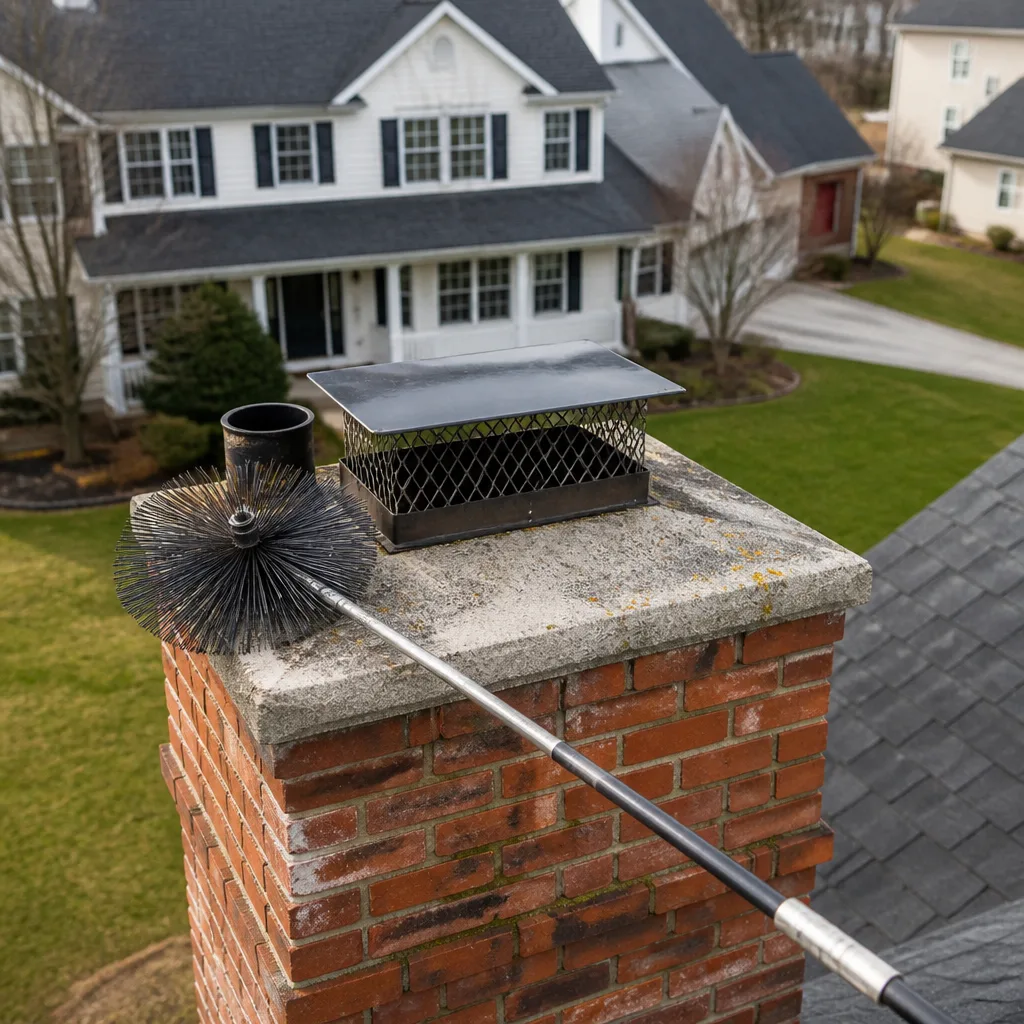
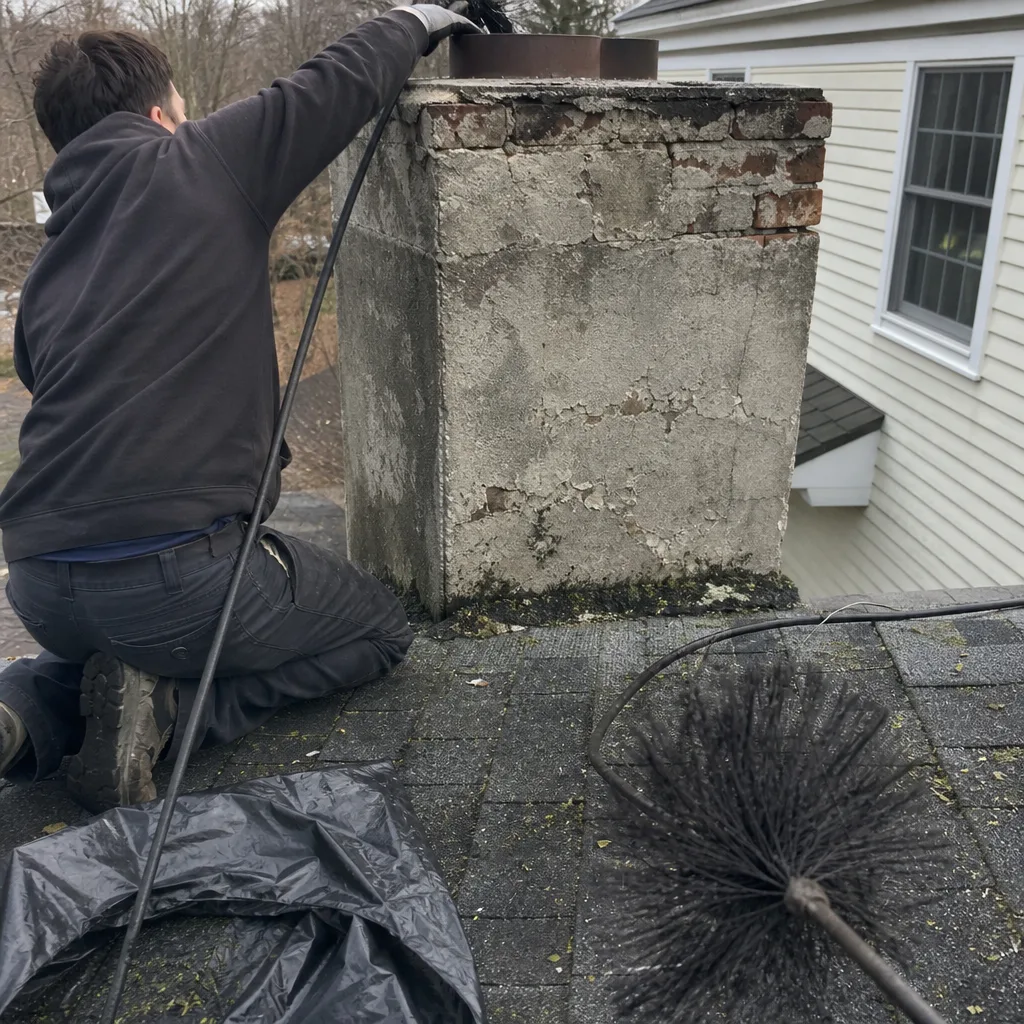
Level 1 sweep and inspection to the NFPA 211 annual standard - flue, crown, cap, and flashing checked and photographed
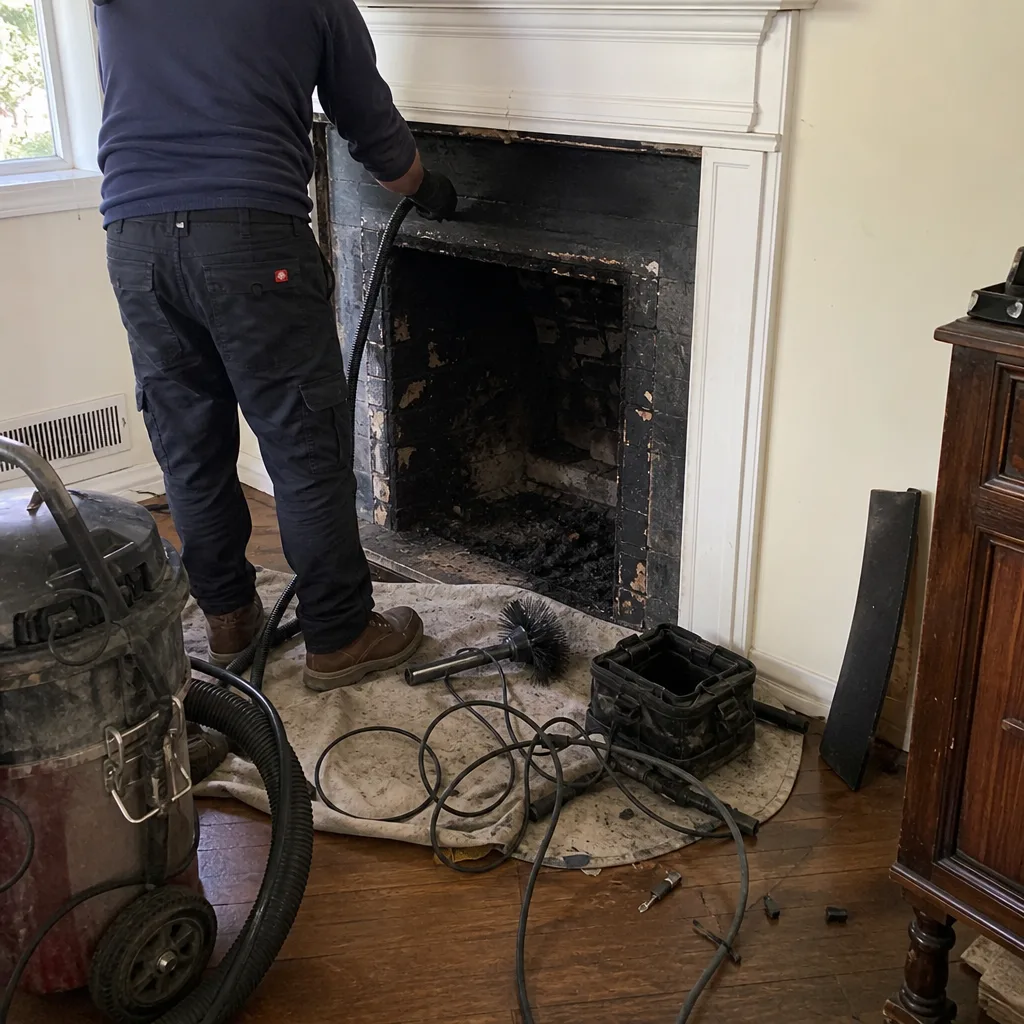
Chimney sweep logs do not sweep chimneys. They loosen some creosote - which then falls where a brush and vacuum still have to collect it.
 Before
 After
 Before
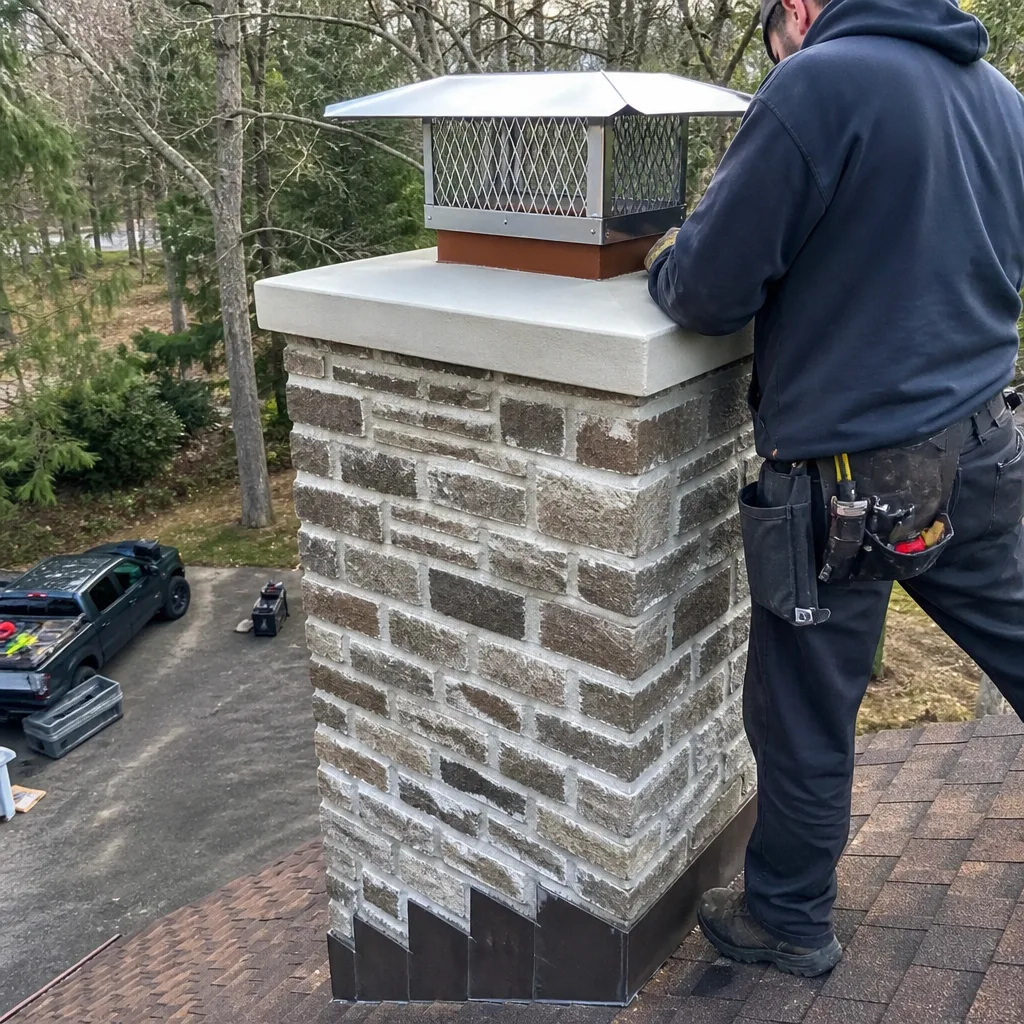 After
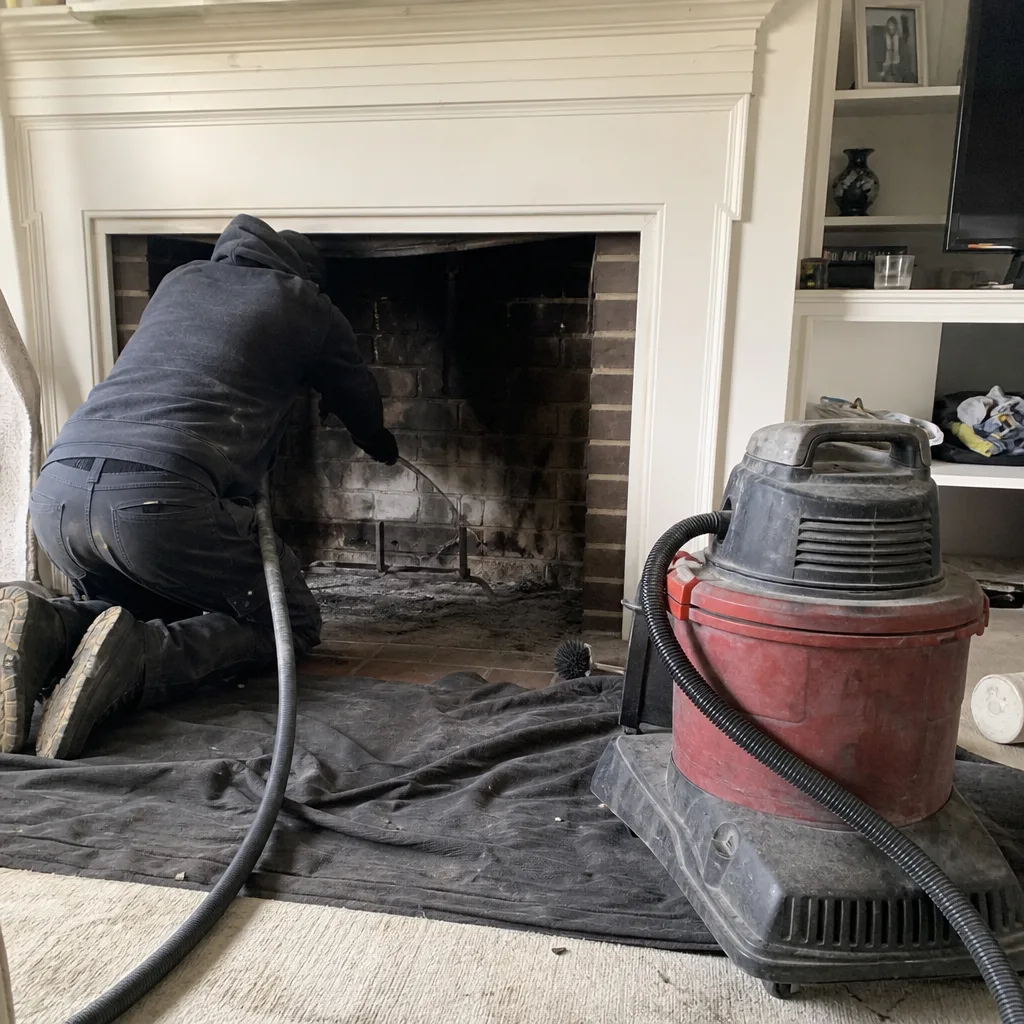 Before
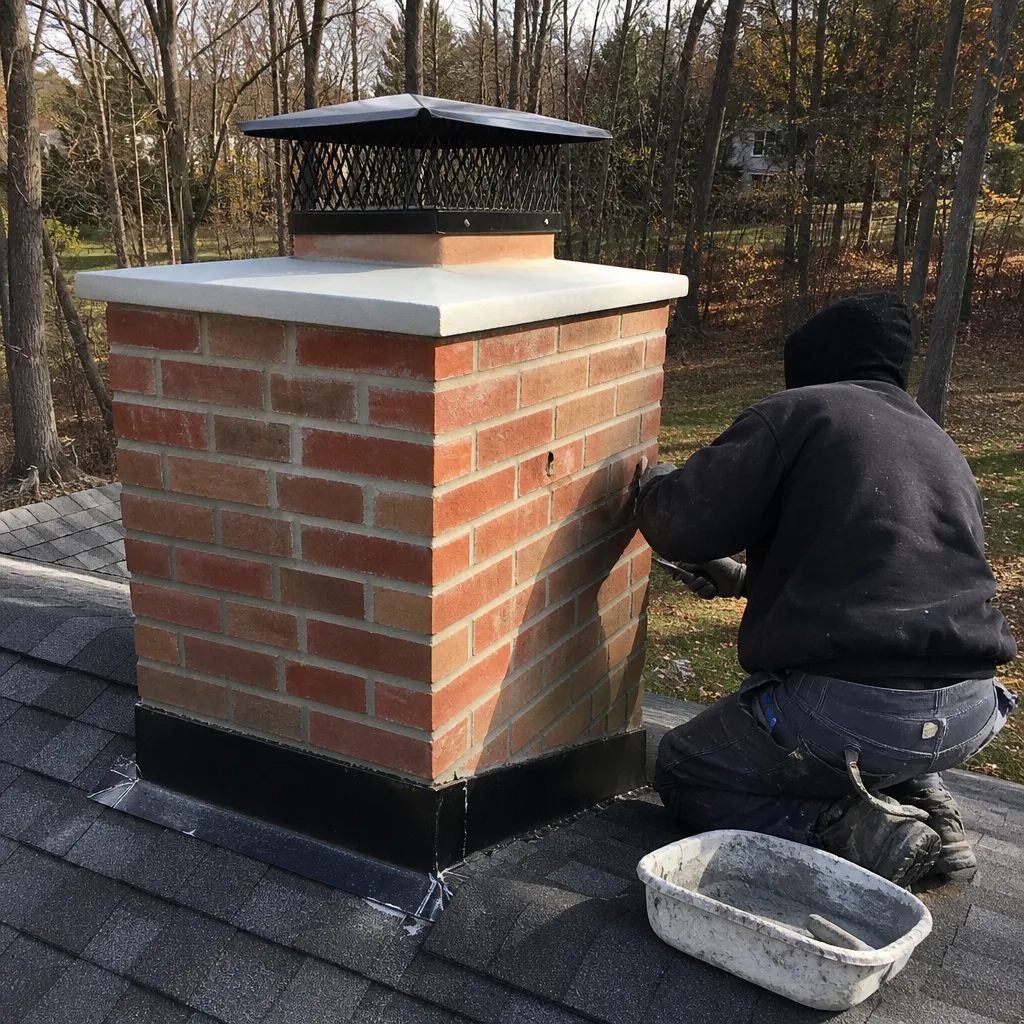 After
HeatShield Chimney Cap Installation: The Westchester County Owner’s Guide
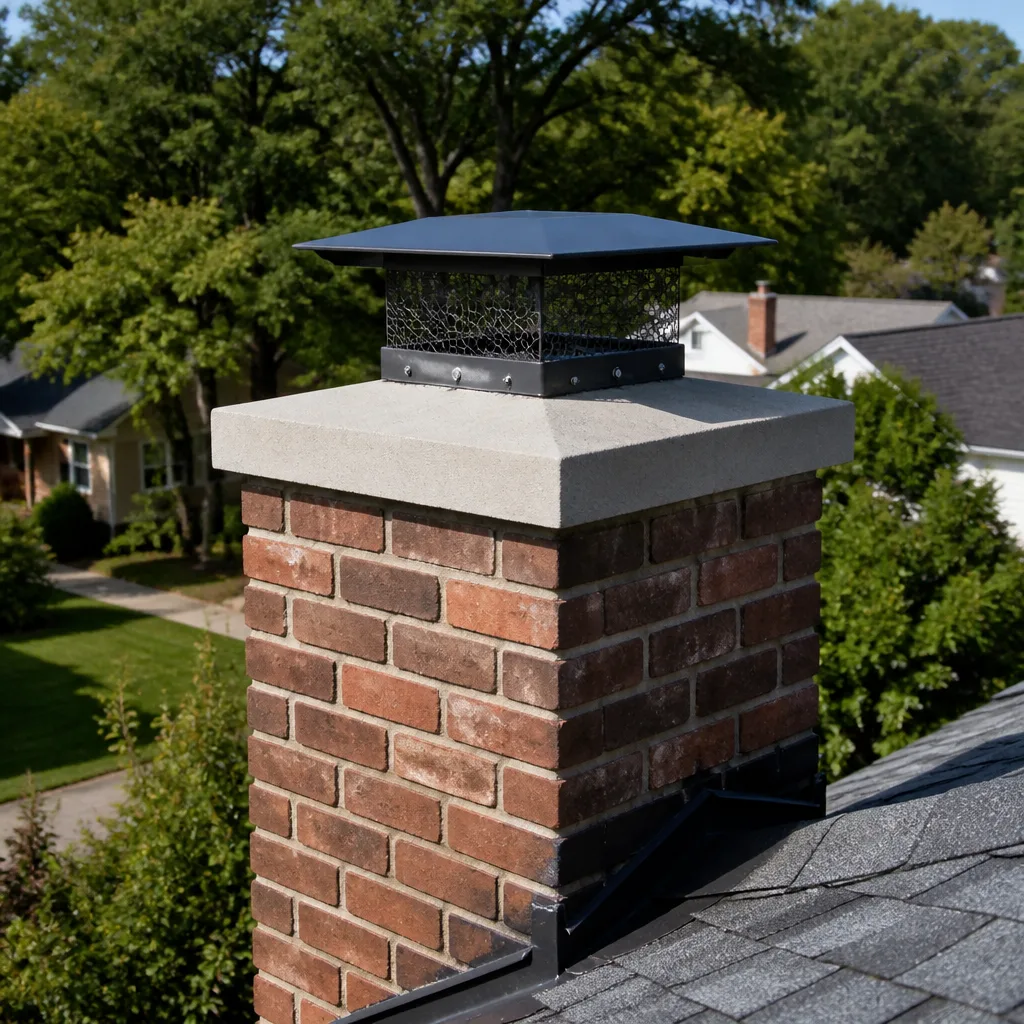
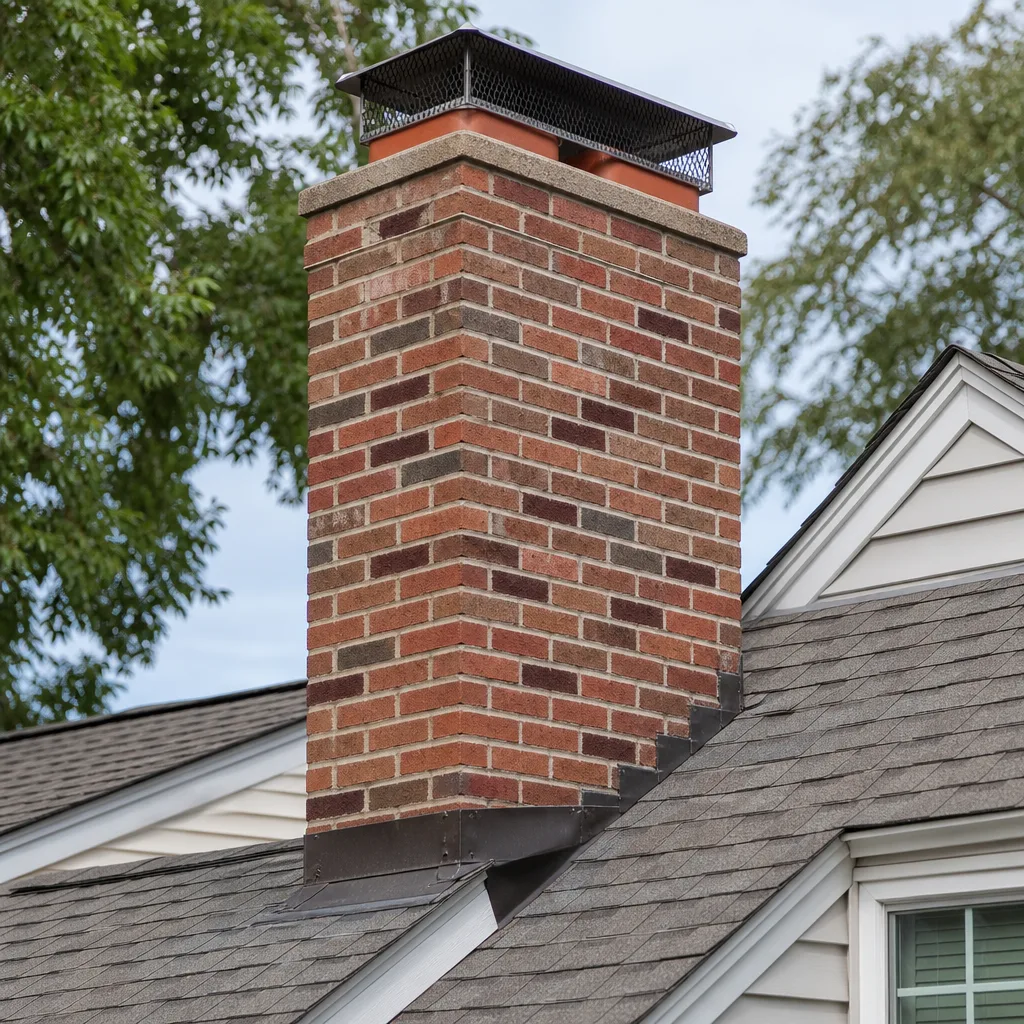
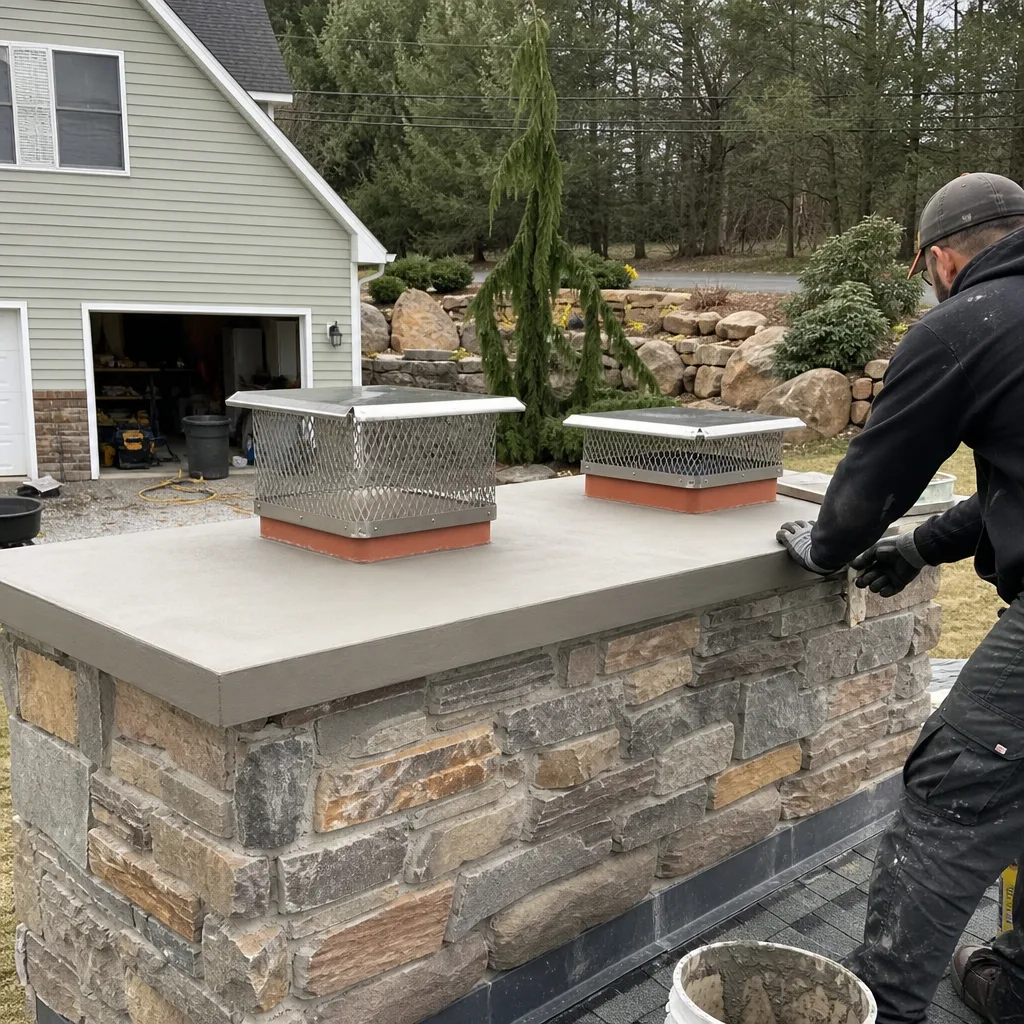
If your HeatShield chimney cap has rusted through, blown loose, or started letting water run down the flue, here’s the short version: we stock HeatShield-compatible chimney caps on the truck and install them throughout Westchester County, with most cap replacements running $280 to $640 installed depending on flue size, roof access, and whether the mounting band needs rework. We’re an independent shop, not affiliated with HeatShield, but we’ve installed their caps long enough to know exactly how they fail in this climate, and we carry what’s needed to get yours sorted. Most of our Westchester County customers figure out the cap’s gone bad one of two ways: they spot rust streaks or a tilted cap from the yard, or they find water in the firebox after a rainstorm. Both usually trace back to the same root issue: a cap that outlived its mounting hardware, not a bad chimney.
Here’s the honest picture before we go further. The cap is the part of your chim ney that fights Westchester weather all year: hard freezes, snow sitting on the masonry, then a thaw and refreeze cycle that works screws loose and splits thin metal. A HeatShield cap isn’t immune to that. If the mesh is still in good shape but the lid is loose, you may not need a full replacement. But if the cap’s legs or mounting band have corroded, you will.
Which HeatShield Models This Applies To
The HeatShield cap line is built around common flue diameters: 6″, 7″, 8″, 9″, 10″, and 13″ round, plus some rectangular and oval options for older masonry flues. The caps use a slip-in or clamp-on mounting design, and the big compatibility gotcha in Westchester County is this: many of the chimneys up here have flue tiles that are not perfectly round anymore. An 8″ flue tile that’s been through thirty winters may measure 8-1/4″ on one side and 7-7/8″ on the other. That’s why we measure before we grab a cap off the truck. If the cap doesn’t seat squarely, it’s going to rattle, leak, or fly off in a nor’easter.
The OEM-vs-aftermarket decision matters less for chimney caps than it does for liners. HeatShield caps are built with a stainless lid, and the mesh is usually galvanized or stainless depending on which series you have. If the mesh on an OEM cap has rusted through but the lid is intact, we may recommend a quality aftermarket replacement from Gelco or Olympia at a lower cost. What matters more than the brand stamp is the gauge of the metal and whether the screen mesh is fine enough to keep embers in and animals out. If you look under the cap’s rim, you’ll usually find a label or a stamped measurement. Take a picture before you call us, and we’ll tell you what we’re likely working with.
Signs Your HeatShield Chimney Cap Installation Is Failing
- Rust streaks down the crown or brick face. When a cap’s mounting legs or band start to corrode, rainwater carries the rust down onto the crown. It’s not just ugly, it tells you the metal’s losing its protective coating.
- Cap tilts or sits off-center on the flue. In older Westchester County chimneys, flue tiles shift with freeze-thaw cycles. A cap that once sat flat may now be resting on only part of the tile. We see this constantly on stone chimneys near Teatown Lake Reservation, where the masonry gets real weather year-round.
- Water or debris in the firebox after rain or wind. The cap’s lid should shed water and the mesh should catch leaves, twigs, and maple seeds. If any of that is getting through, the cap’s seal or mesh has failed.
- Birds or bats sounds inside the flue. A torn mesh is an open door for starlings, sparrows, and squirrels. And once an animal gets in, it rarely gets out on its own.
- Loose lid or rattling on windy days. You’ll hear it, but if you don’t, the neighbor walking his dog may ask why there’s a metal plate on your lawn. The hardware that holds the lid on is often the first thing to fail on a HeatShield cap.
Replacement Cost & What’s Included
In Westchester County, a HeatShield-compatible chimney cap replacement runs about $280 to $640 installed. The spread comes down to three things: flue size (a 6″ cap costs less than a 13″ cap), roof access (a walkable ranch roof is one thing, a steep second-story slate roof is another), and what we find when we get up there. If the old mounting band has left rust damage or the flue tile is cracked, that work is extra and we’ll show it to you before we add a dollar.
Every cap install includes the cap, stainless or galvanized mounting hardware, removal of the old cap (which we carry down, not chuck into the bushes), a check of the flue tile underneath, and a photo of the finished job. No trip charge inside the county. The 90-Day Done Right Promise applies to every cap we install: if it’s not right, one call brings us back at no cost. And if someone gave you a written estimate from another company, bring it in for a free second opinion.
DIY or Call Us?
Some jobs you can do from the ground with a ladder and a weekend. A chimney cap replacement on a two-story Westchester County roof is not that job. You’re working at height, on a roof that may still be slippery with morning dew or last week’s snowmelt, and the cap itself has to match not just the flue tile’s nominal size but its actual shape. That’s before we talk about what’s underneath: cracked flue tiles, loose crown mortar, and other issues that need to be seen up close.
Here’s what you can safely do: take a photo of the existing cap from ground level, note any rust or tilt, and check the firebox for water or debris. But for the installation itself, call (914) 537-6479 and we’ll send Wendell or one of his crew. The number you hear on the phone is the number on the invoice, and we do not change it at the door. If the cap doesn’t need replacing and only a loose band needs tightening, we’ll tell you that too.
FAQs
Expect 10 to 15 years, and the first thing to fail is usually the mounting hardware, not the cap’s lid. The wet, freeze-thaw winters in Westchester County work on the band’s screws and brackets long before the lid itself rusts through. A quality aftermarket cap with a stainless lid and a sealed mesh may outlast the original, but it’s still fighting the same Hudson Valley weather, so no cap is permanent. We’ll check the mounting hardware for free while we’re up there, just give us a call.
Sometimes, yes. If the lid is intact and only the mesh or a mounting bracket has failed, we can often patch it, replace the mesh with a fine stainless screen, or install a new band at a lower cost than a full cap. But if the corrosion has eaten into the lid or the cap’s shape no longer matches the flue tile, a repair will only buy you a year or two. We’ll show you the corrosion up close, and you decide.
Most HeatShield-compatible cap installations take under an hour, including removing the old cap, checking the flue tile beneath it, installing the new cap, and photographing the work. Jobs that involve repairing cracked flue tile or reworking a decayed crown can stretch the visit to two or three hours, and we’ll tell you that before we start.
We stock HeatShield-compatible caps in the common Westchester County flue sizes on our truck, and we also work with DuraFlex and Gelco parts for older or unusual flue shapes. If your flue is an odd size, we’ll measure it and have the right cap within a few days. The safest move is to call ahead with your flue’s size (or a photo of the old cap’s label), and we’ll confirm what we have before we come out.
If your HeatShield chimney cap is failing, call (914) 537-6479 for a free estimate. We serve Westchester County and nearby areas, and a live person picks up the phone, day or night. And if it doesn’t need doing, I’ll tell you that too.
Written by Wendell Pike, Owner, Top Hat Chimney at Top Hat Chimney, serving Westchester County and nearby areas.