
Level 1 sweep and inspection to the NFPA 211 annual standard - flue, crown, cap, and flashing checked and photographed
Chimney sweep logs do not sweep chimneys. They loosen some creosote - which then falls where a brush and vacuum still have to collect it.
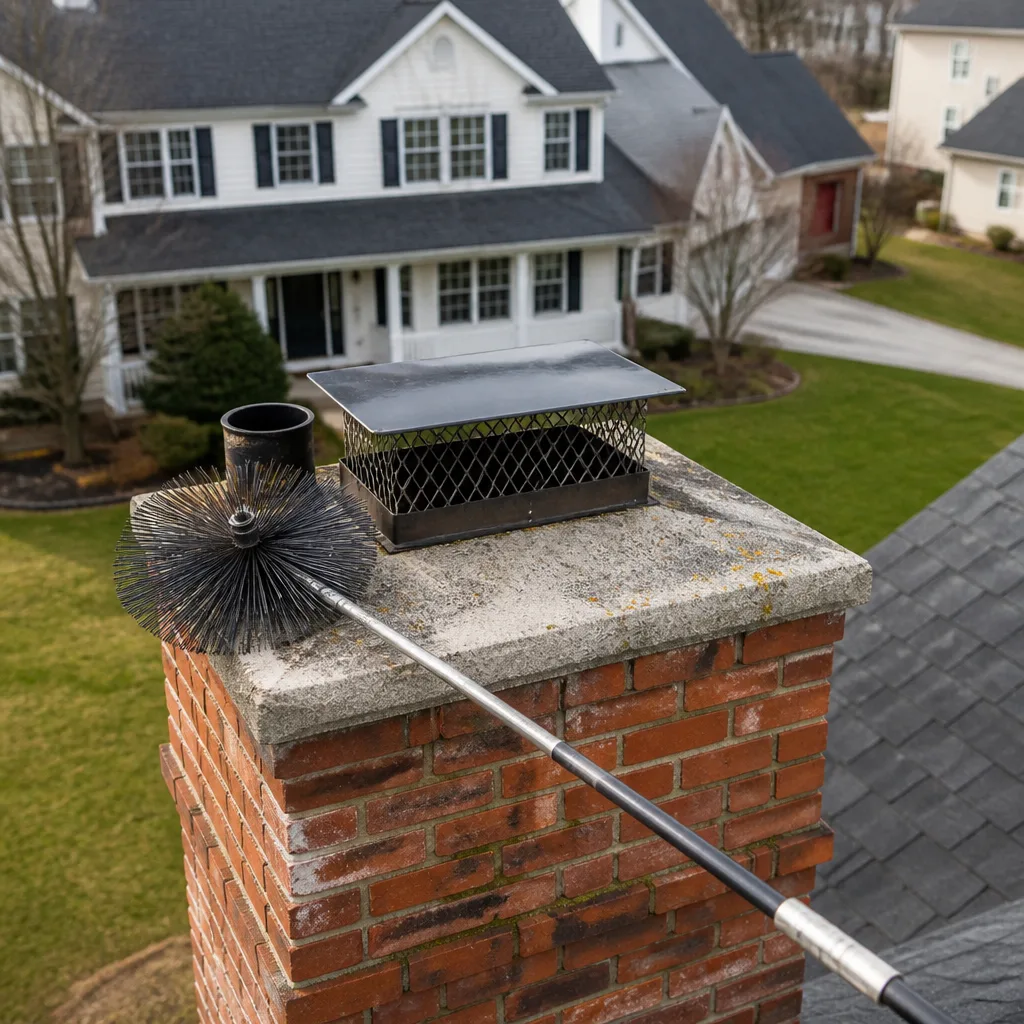
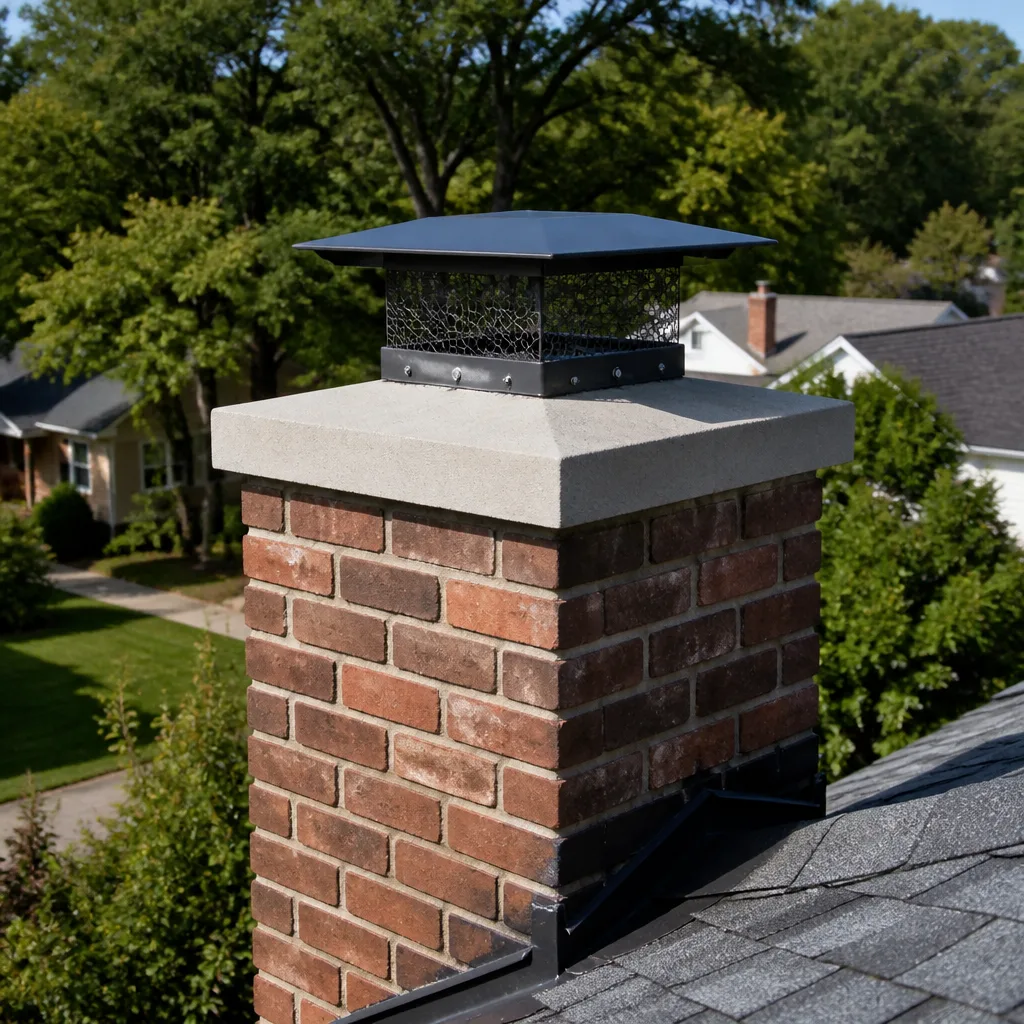
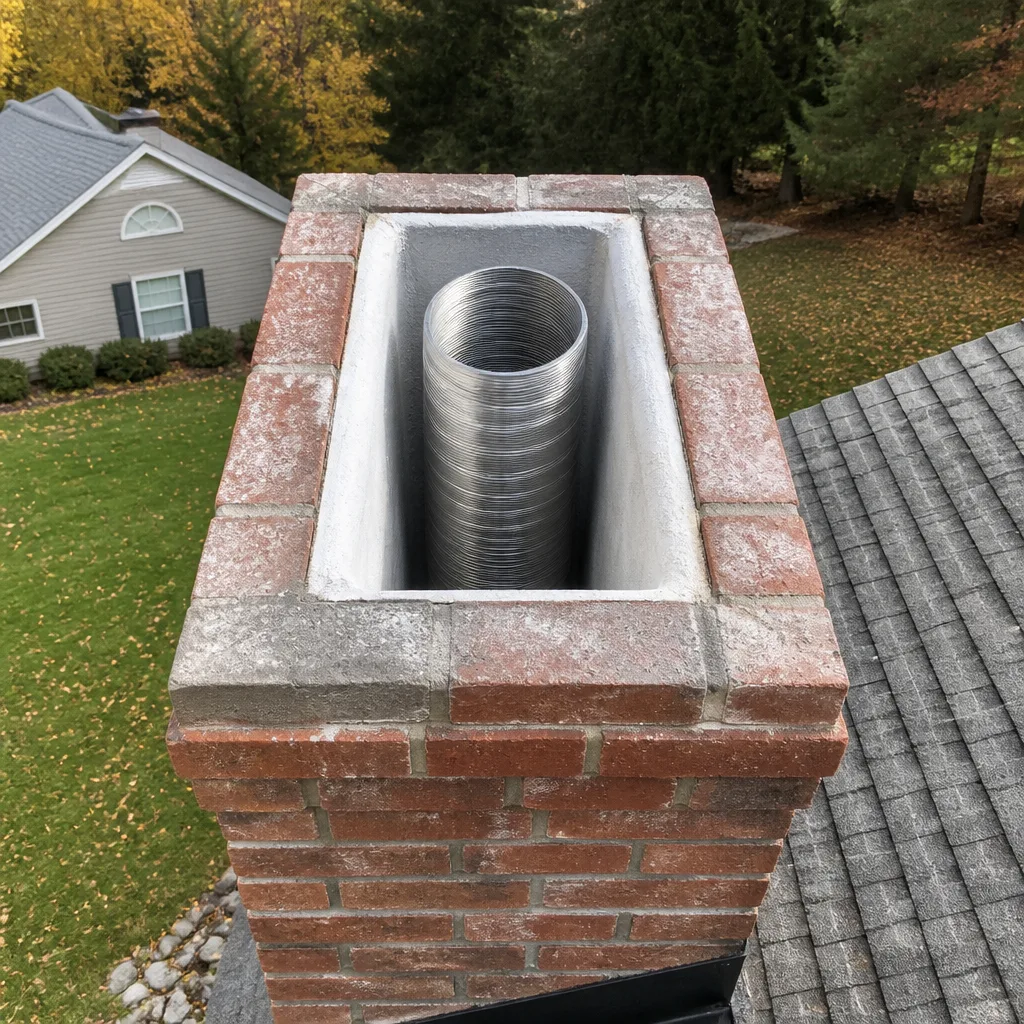
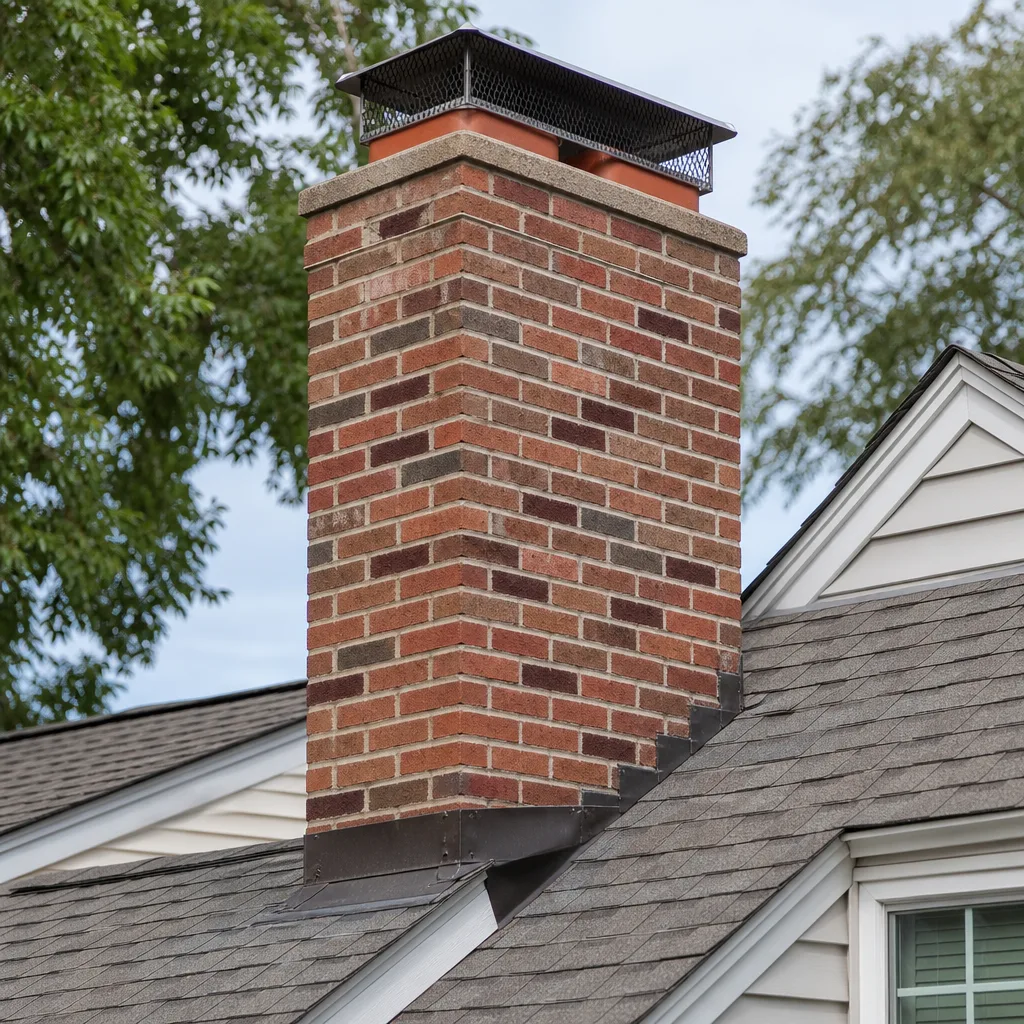
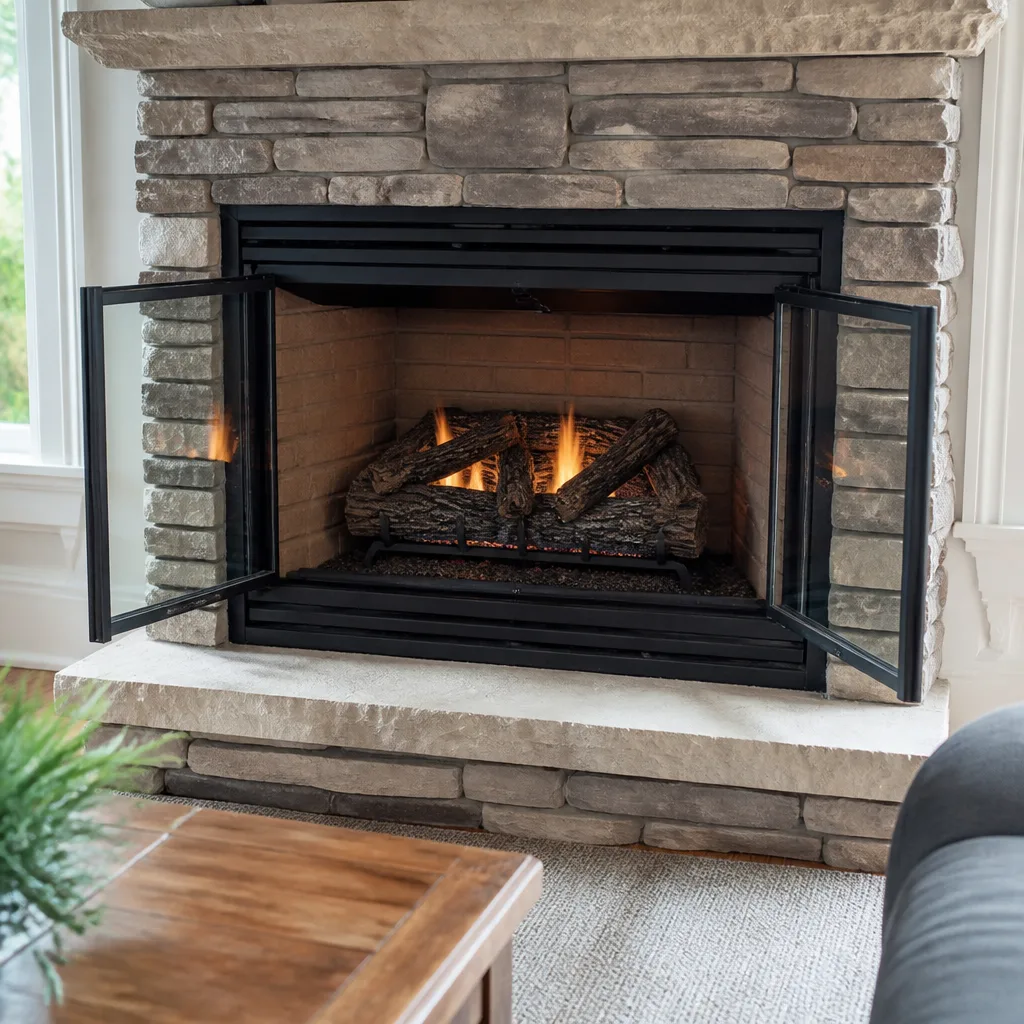
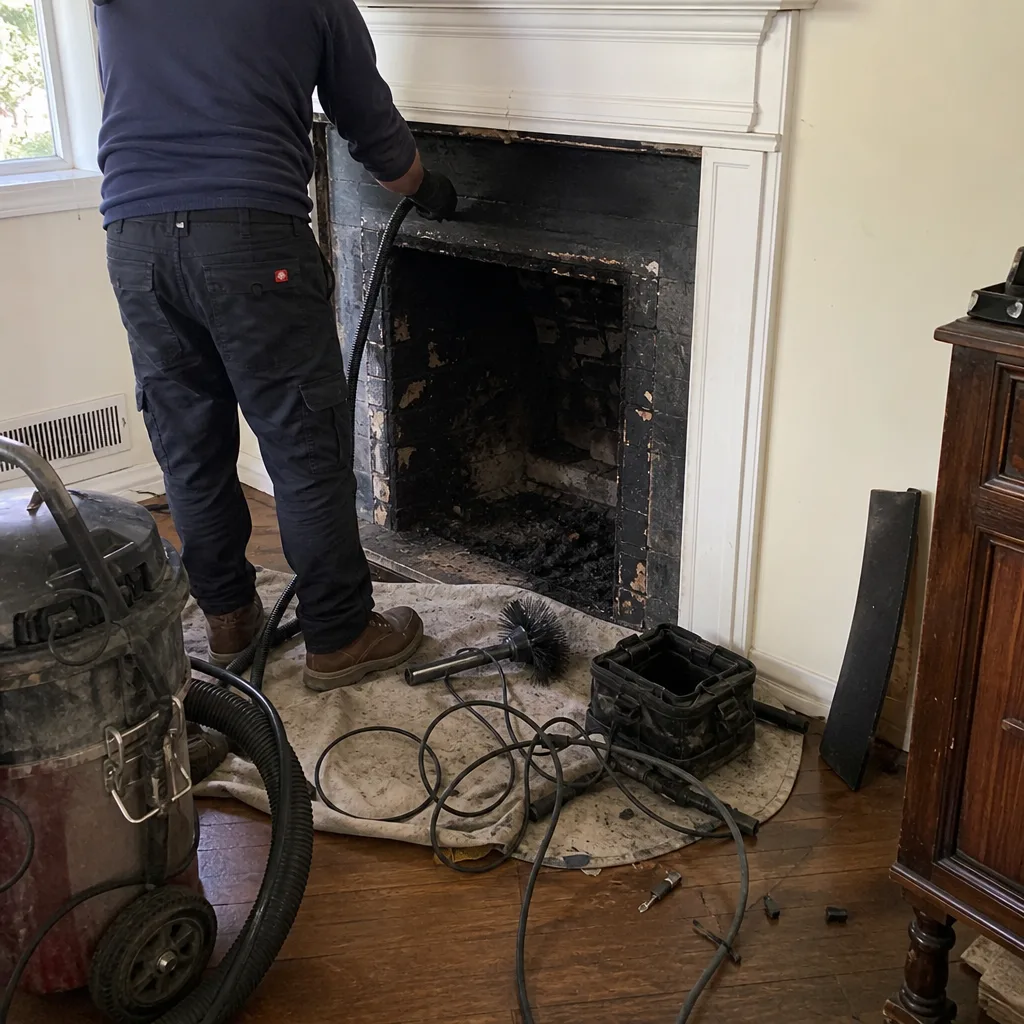 Before
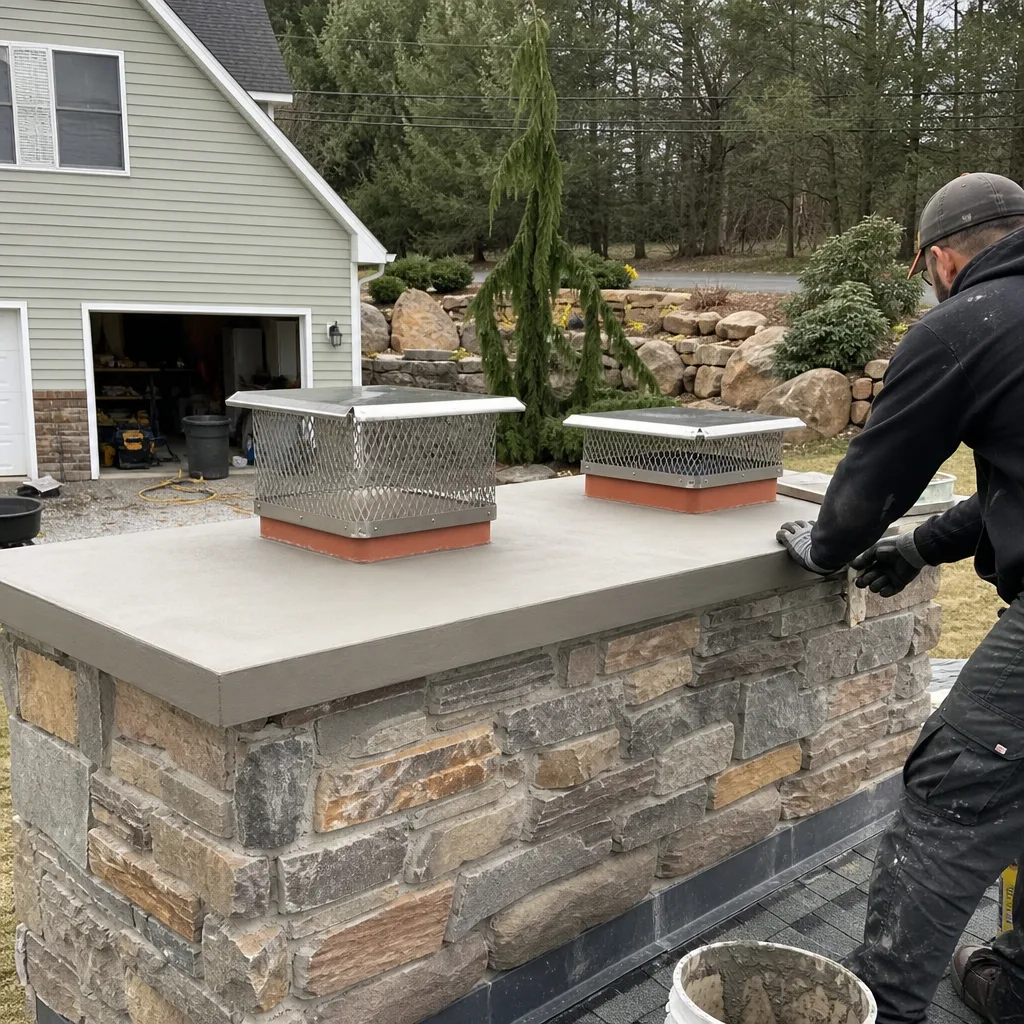 After
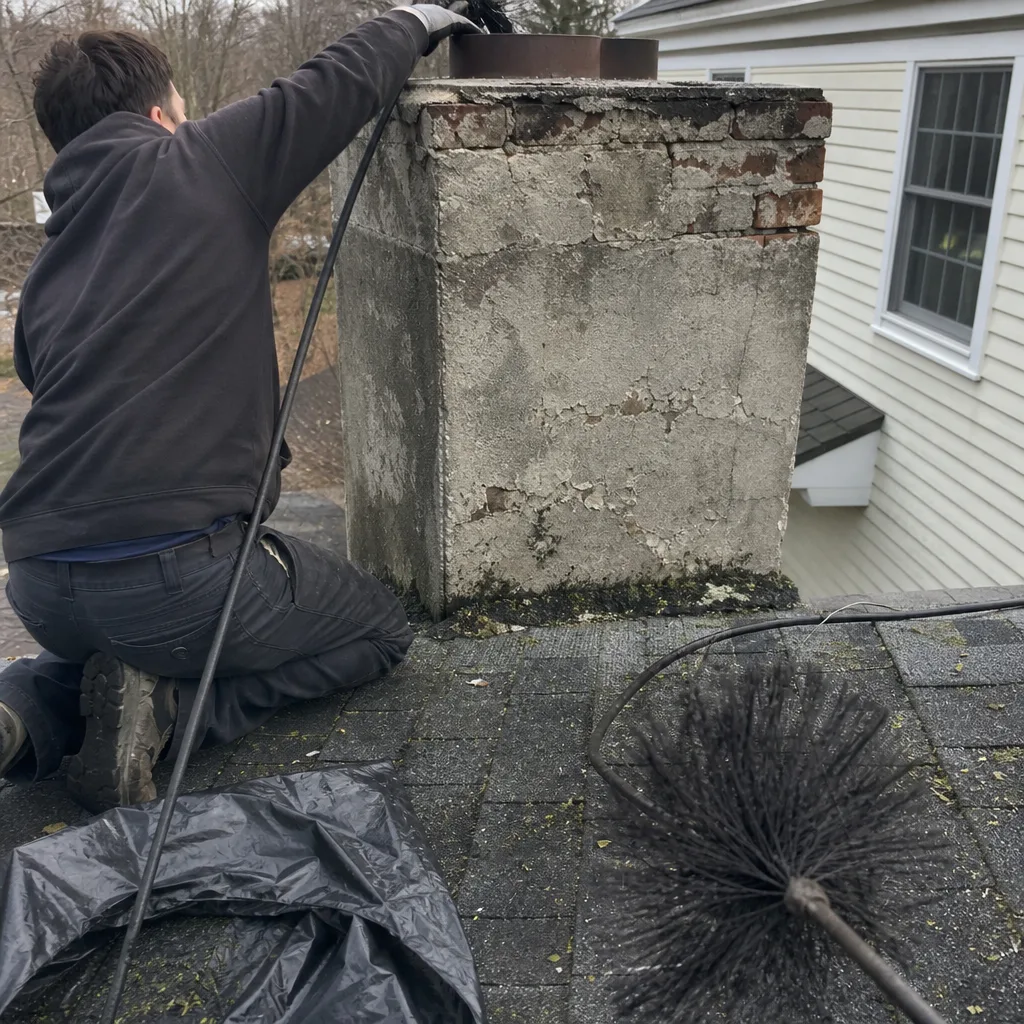 Before
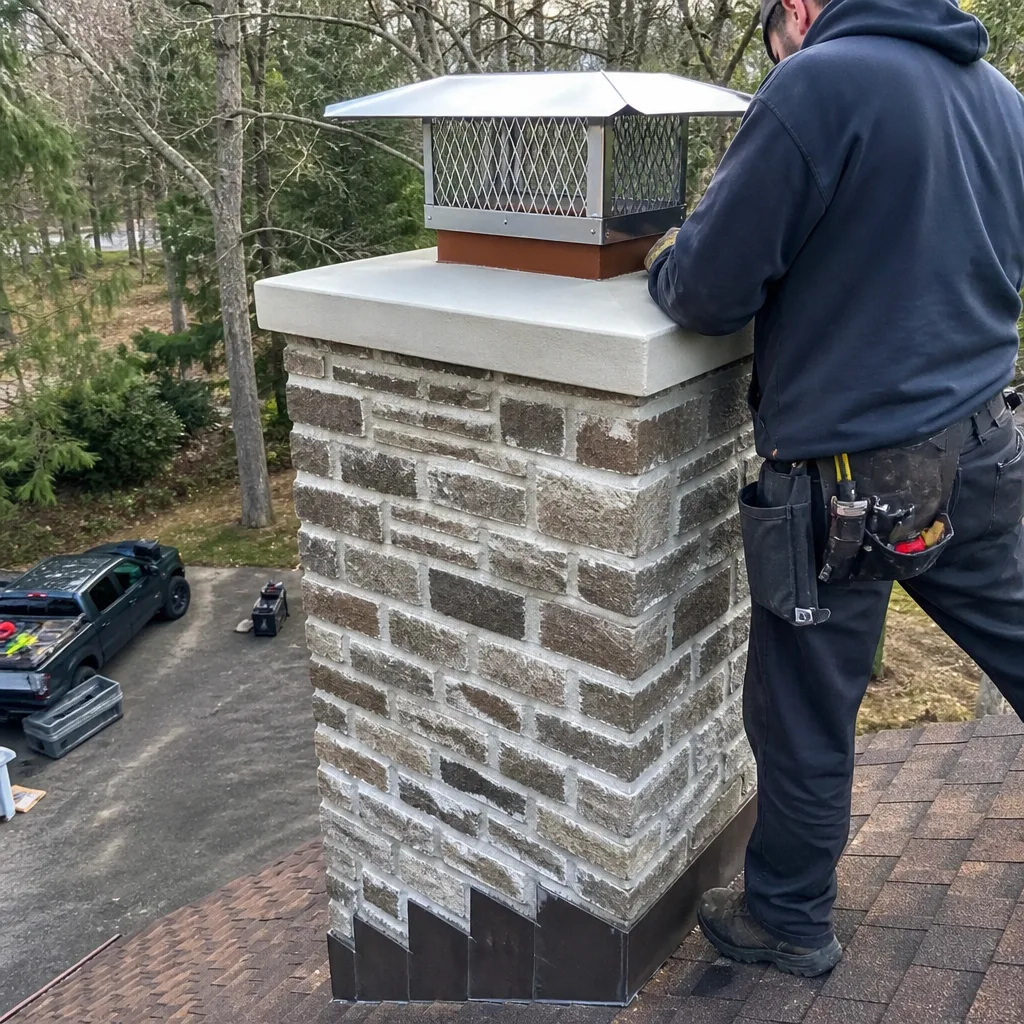 After
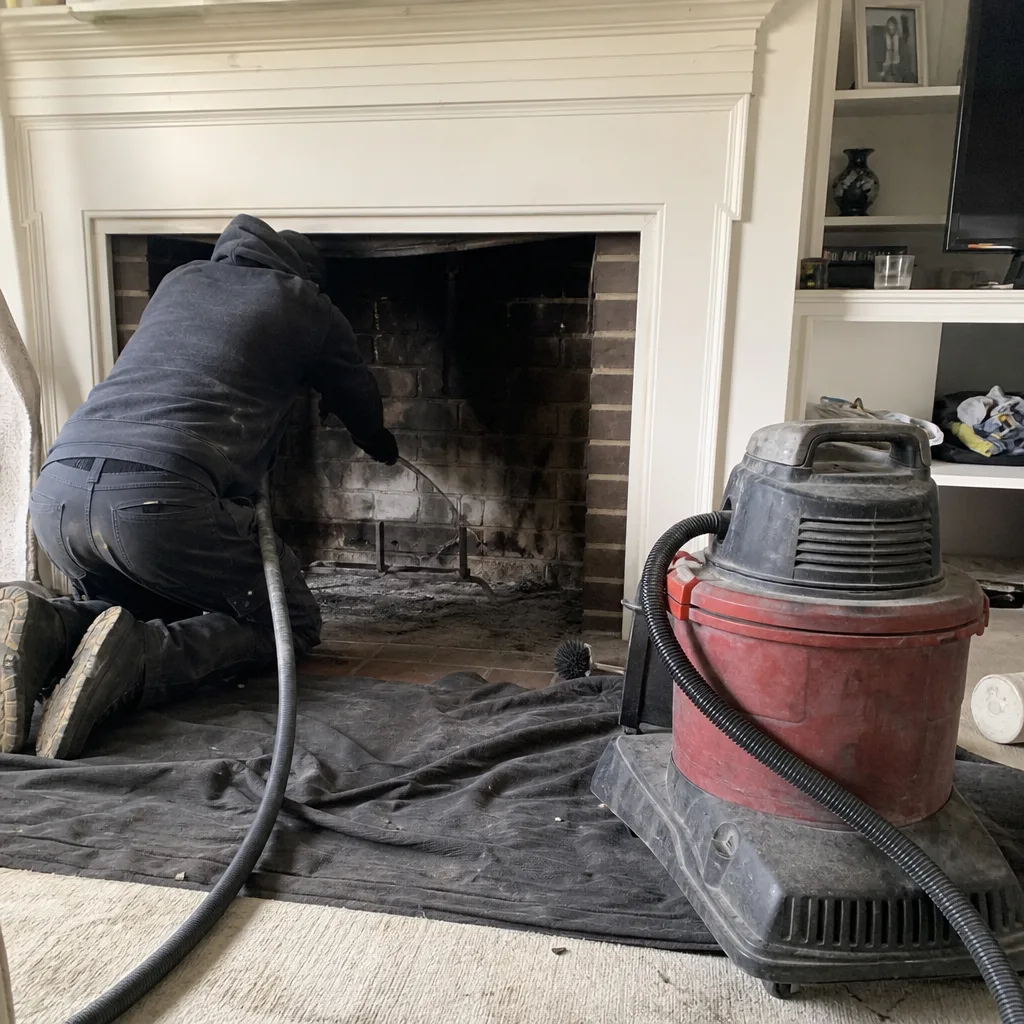 Before
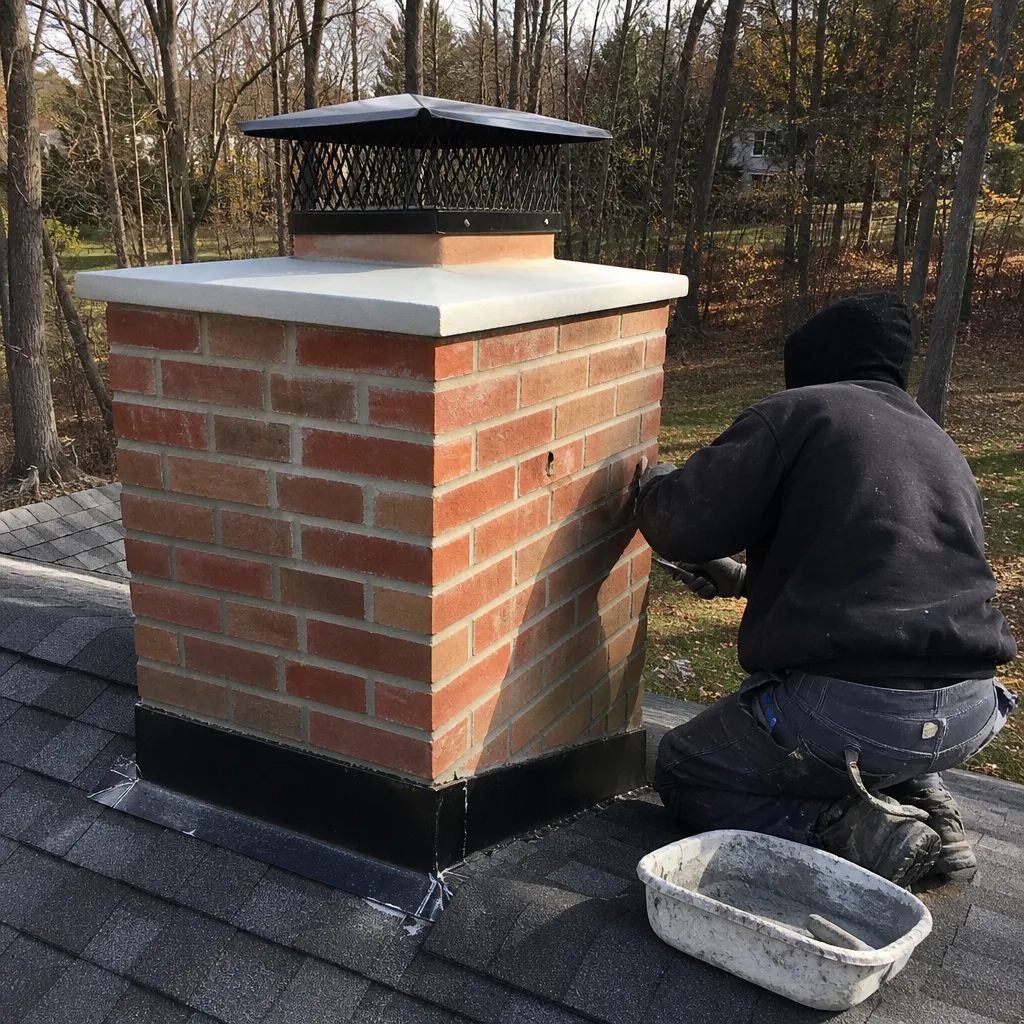 After
Famco Flue Liner Replacement: The Westchester County Owner’s Guide
Famco flue liner replacement in Westchester County typically runs $1,400 to $3,800 installed, depending on liner length, diameter, and whether the old liner comes out clean or fights us the whole way. We stock Famco-compatible stainless liners on the truck and can usually complete the swap in one visit. Most folks discover their Famco liner has failed during an annual sweep, when the brush kicks back chunks of flaking metal, or after a puffback stains the living room wall.
Here’s the short version of what you need to know. Famco built decent liners for their era, but they age like anything else in a Westchester chimney: freeze-thaw cycles near the Sound, creosote acids from years of pine fires, and plain old rust. When the liner goes, the fix is straightforward. We measure, we pull the old one, we slide in a new stainless liner that matches your appliance’s BTU rating and draft requirements, and we document the whole thing with camera footage before and after.
Which Famco Models This Applies To
Famco made a range of liners over the years, most commonly the 6-inch and 8-inch round stainless and aluminum varieties that went into oil and gas furnace flues, plus some flexible corrugated models for wood stoves. If you have a Famco liner, you’ll usually find a stamped tag or label near the appliance connection or at the top termination cap. The stamp tells you diameter, material, and sometimes the series number. If the tag is gone, no problem. We measure the inside diameter, check the appliance BTU plate, and match the liner to what the code requires for your setup here in Westchester County.
One thing worth knowing about Famco specifically: their corrugated flexible liners were popular in the 1990s and early 2000s, and those corrugations collect creosote faster than smooth-wall liner. When those fail, it’s not always the metal itself. Sometimes the seam at the connector pops loose, or the liner pulls away from the top plate after years of wind loading. We replace with smooth-wall stainless whenever the appliance draft allows it. Smooth wall moves flue gas faster and there are fewer crevices for creosote to grab onto. For oil furnace applications, we match the gauge and grade to the original spec. DuraFlex makes a quality equivalent that we stock alongside Famco-compatible inventory, along with parts from HeatShield and Gelco when a partial repair makes more sense than a full pull.
Signs Your Famco Flue Liner Replacement Is Failing
- Flaking metal or rust chunks in the cleanout or firebox. This is the classic. The liner’s inner wall is shedding, and every flake means less protection between exhaust gas and your chimney masonry.
- A puffback, soot smell, or oily film on walls near the appliance. Exhaust is escaping where it shouldn’t. A perforated liner can’t carry the draft, and the gas finds its own way out.
- The sweep pulls back a brush full of glitter. That metallic residue in the creosote is liner material wearing away. Wendell has seen enough of it to know the difference between normal wear and a liner that’s done.
- Visible gaps, cracks, or separation at the seams or joints. Famco’s older corrugated liner is especially prone to seam fatigue at connection points. Even a small gap changes your draft and lets condensation sit where it shouldn’t.
- Draft problems, smoky startups, or a furnace that runs but doesn’t heat like it used to. When the liner loses integrity, the chimney can’t pull properly. The appliance struggles, and so does your oil or gas bill.
Replacement Cost & What’s Included
In Westchester County, most Famco liner replacements land between $1,400 and $3,800. The spread isn’t a mystery. The biggest factors are total liner length (a three-story house in Yonkers runs more liner than a ranch in Cortlandt), diameter, whether we’re pulling a rigid or flexible liner, and what we find inside the flue when the camera goes up. A straight pull on a clean flue is the low end. A corroded liner that snaps off in sections, plus a missing top plate and water damage at the crown, pushes toward the high end.
Every quote includes the liner, top plate, connector, labor, and a camera inspection before and after. That camera inspection is non-negotiable. You’ll see why the liner was pulled and what the new one looks like installed. No mystery, no upcharge, and the price you hear on the phone is the price on the invoice. The work is covered by our 90-Day Done Right Promise, in writing, so if something’s not right, one call brings Wendell back.
DIY or Call Us?
Replacing a flue liner is not a weekend project, and I’ll say plainly why. You’re working with a component that carries carbon monoxide out of your home. A liner that’s undersized, mismatched to the appliance, or poorly connected can leak exhaust into living space. That’s not a risk anyone should take for the savings on a contractor’s visit. What you can safely do is keep the area around the cleanout clear and let us know if you’ve smelled exhaust or seen any of the signs above.
The honest answer is that this one belongs to a licensed chimney professional. If it doesn’t need doing, I’ll tell you that too. Sometimes a liner looks rough but still has years left, and we’ll show you the camera footage so you can see it for yourself. If it does need doing, call (914) 537-6479 and we’ll get you on the schedule.
FAQs
Most Famco liners installed in the 1990s and 2000s were good for 15 to 25 years in Westchester County conditions, though oil furnace flues tend to wear out faster than gas because of the corrosive condensate. The liner’s age, the fuel type, and how often the appliance runs are the three things that matter most. Call (914) 537-6479 and we’ll book a camera inspection to tell you exactly where yours stands.
Small seam separations or top-plate issues can sometimes be repaired without a full liner replacement, especially when the rest of the liner is still in good shape. We stock HeatShield and Gelco materials for targeted repairs. If the liner has multiple perforations or the metal is thinning across the length, repair is throwing good money after bad. The camera footage will make it obvious which one you have.
Most single-liner swaps take four to six hours from setup to cleanup, which usually means one day. Stubborn liners, tight flues, or masonry repairs found along the way can stretch it. We’ll tell you before we start if the job looks like it’s going to run long.
Yes, we carry Famco-compatible connector components and stock stainless liners in the most common diameters used in Westchester County homes, plus equivalents from DuraFlex. If your liner is an unusual size, we’ll have it ready before the appointment so there’s no second guess.
Written by Wendell Pike, Owner, Top Hat Chimney at Top Hat Chimney, serving Westchester County and nearby areas.