
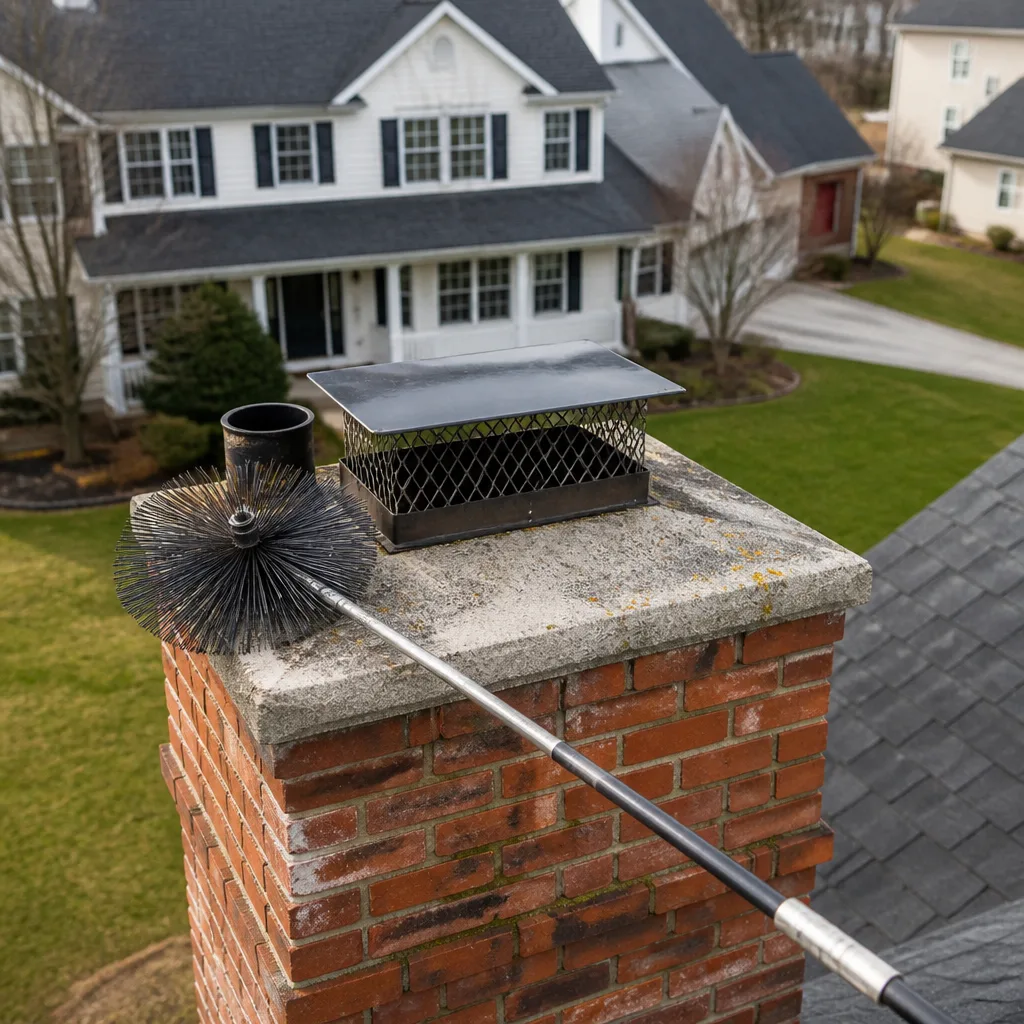
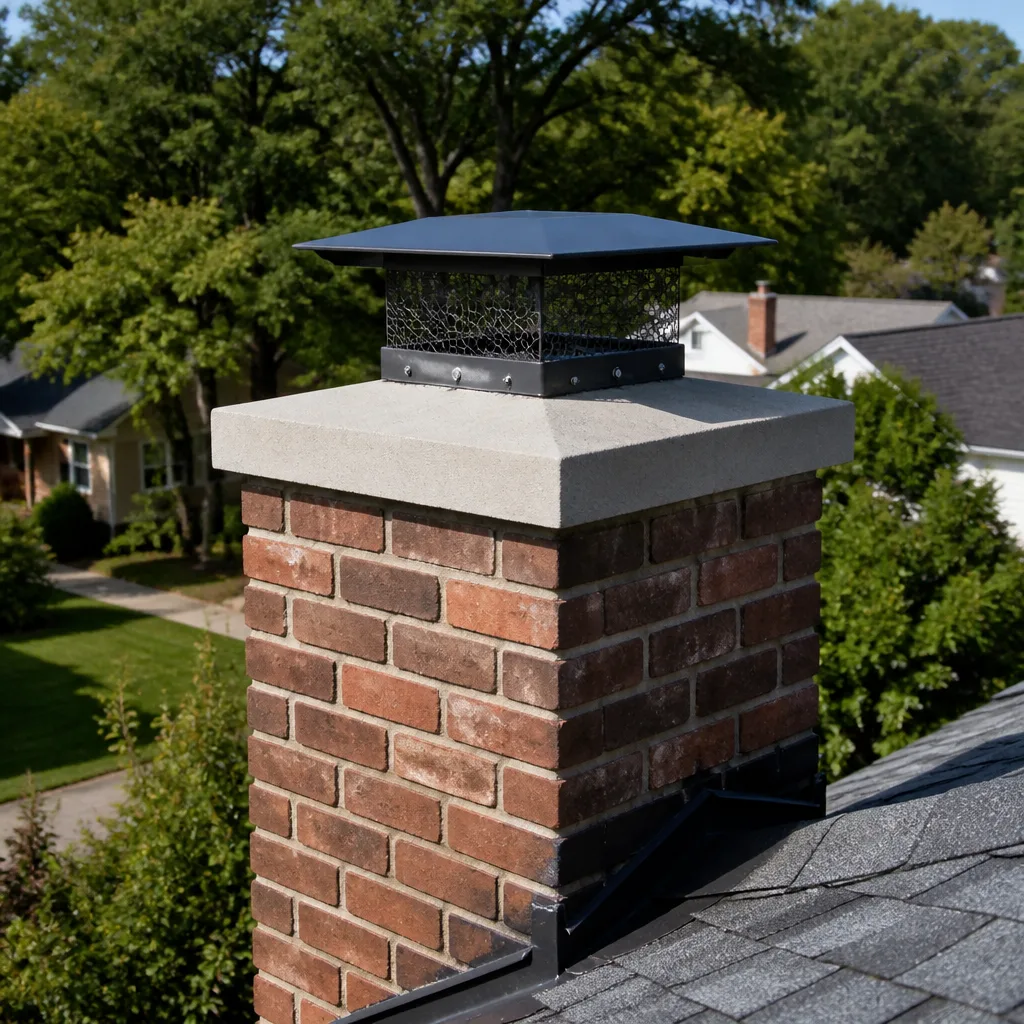
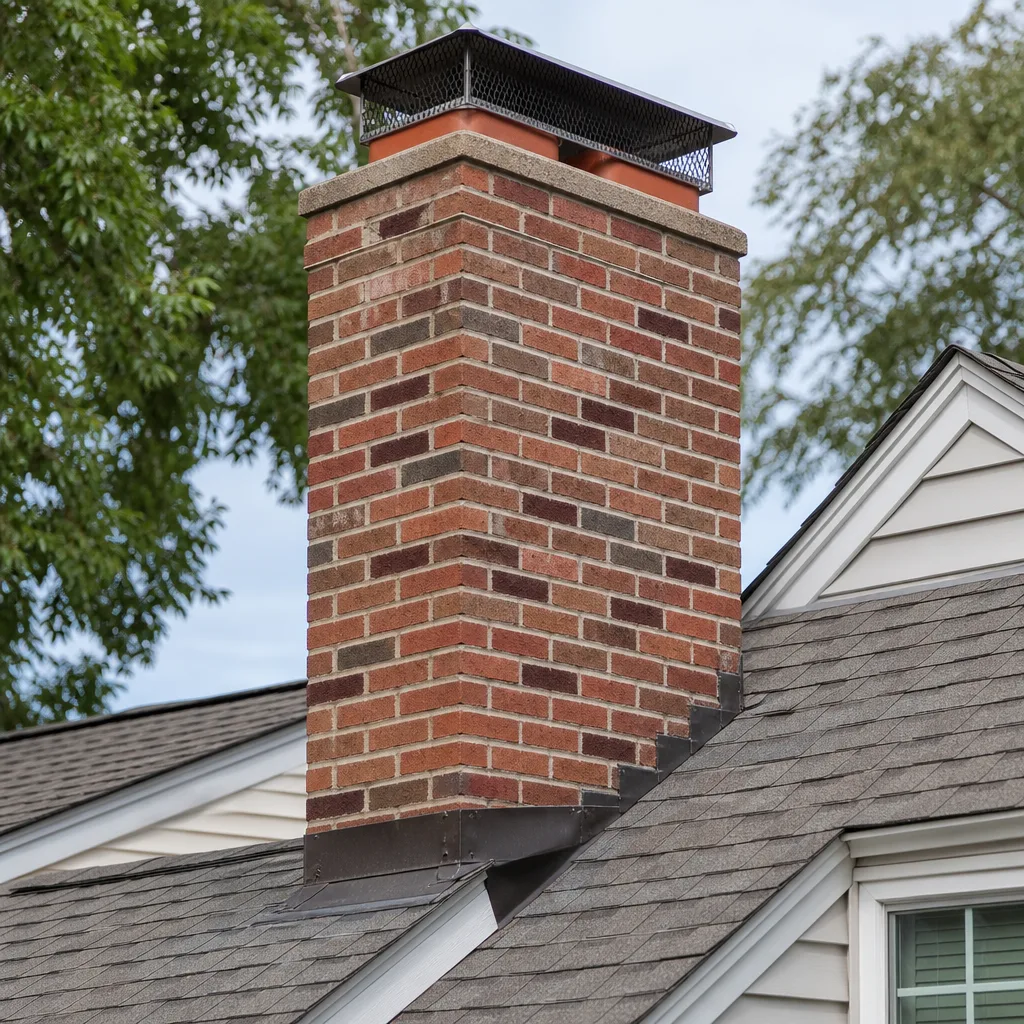
Level 1 sweep and inspection to the NFPA 211 annual standard - flue, crown, cap, and flashing checked and photographed
Chimney sweep logs do not sweep chimneys. They loosen some creosote - which then falls where a brush and vacuum still have to collect it.
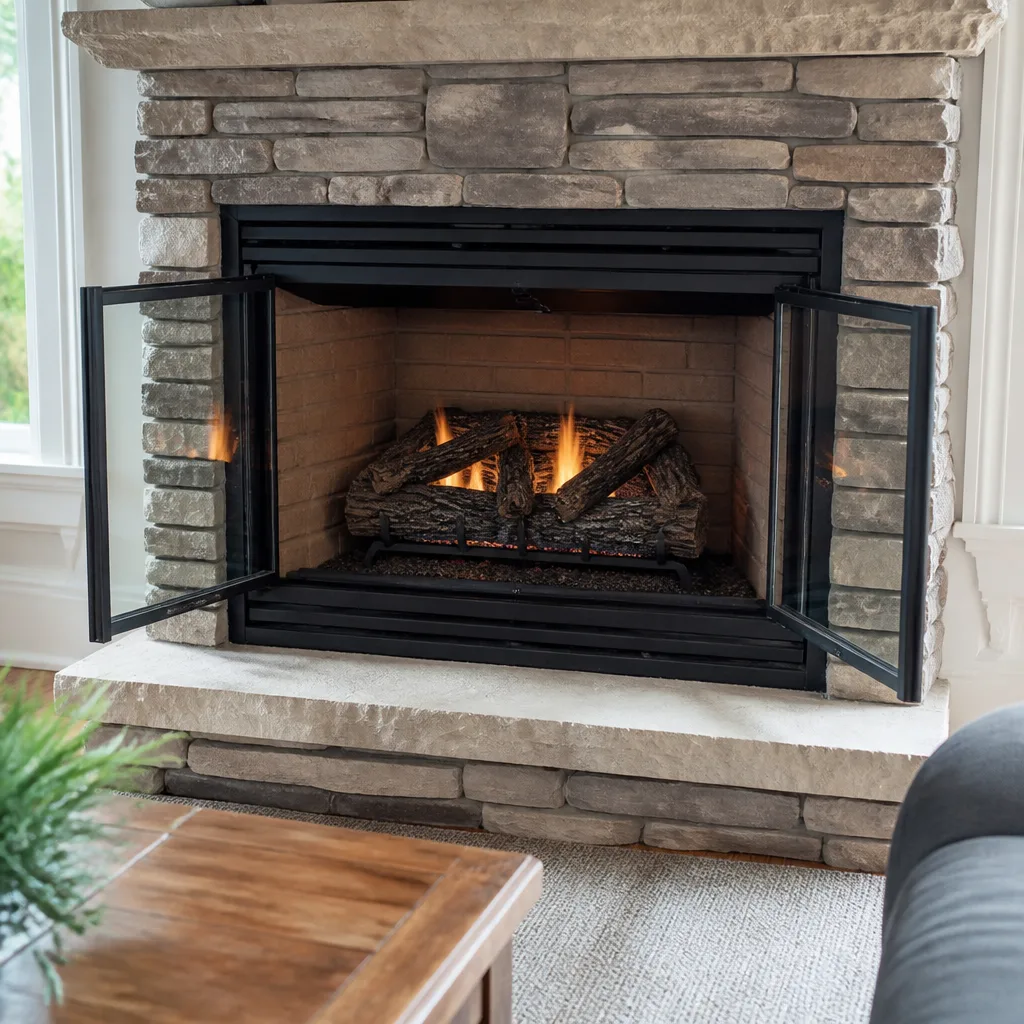
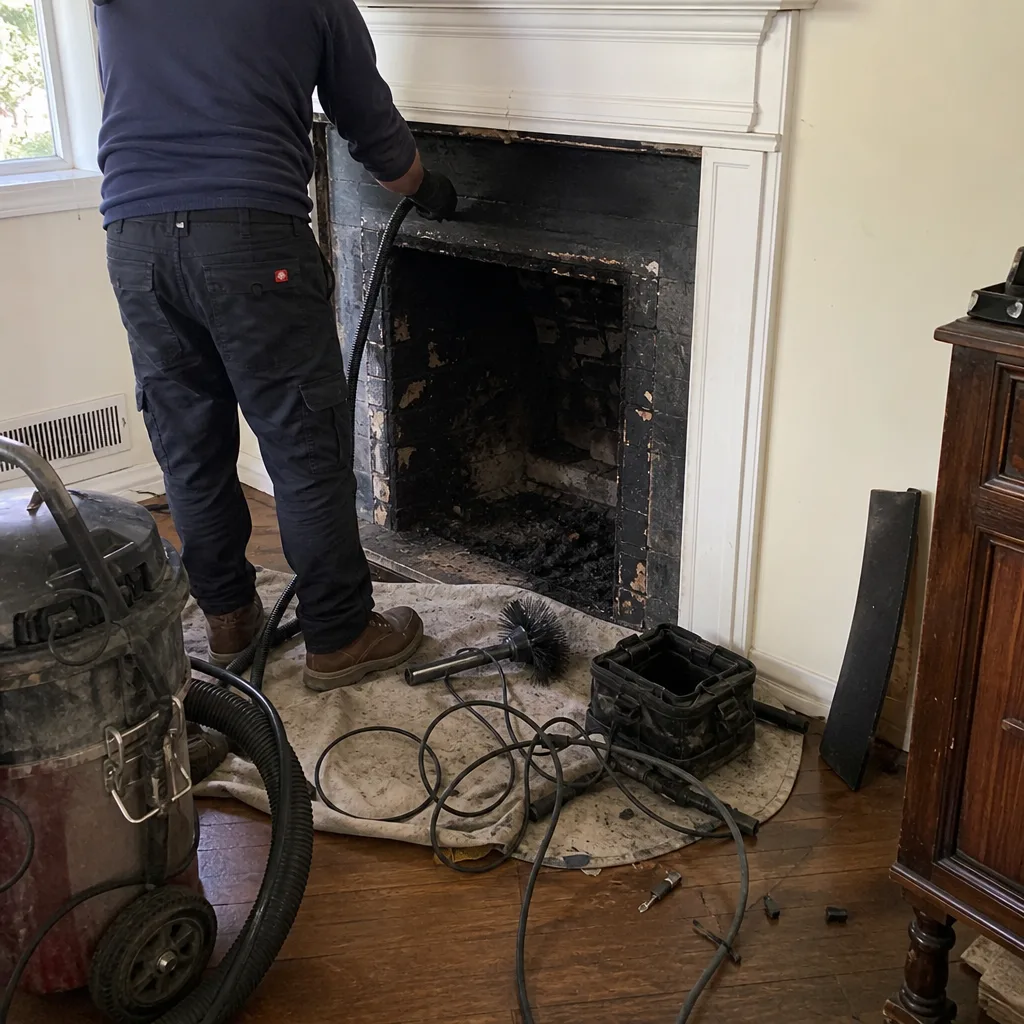 Before
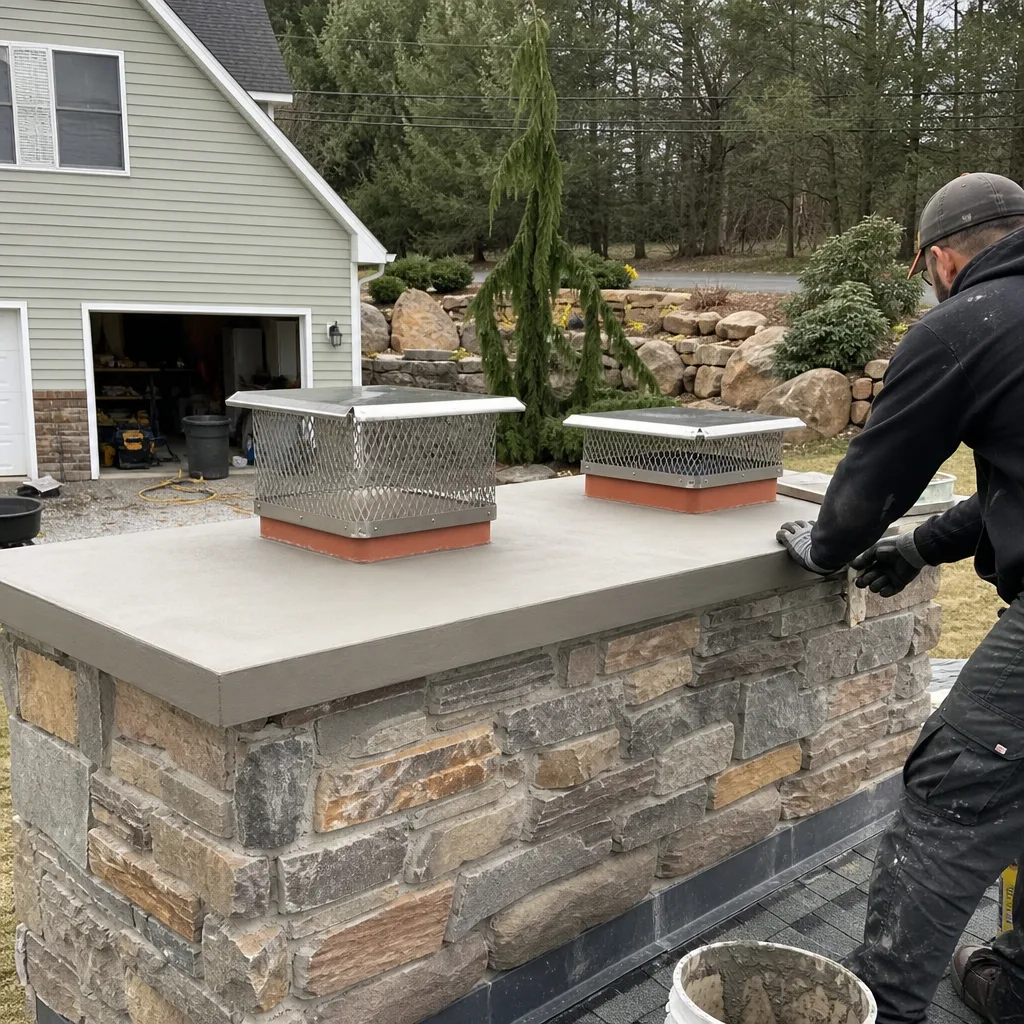 After
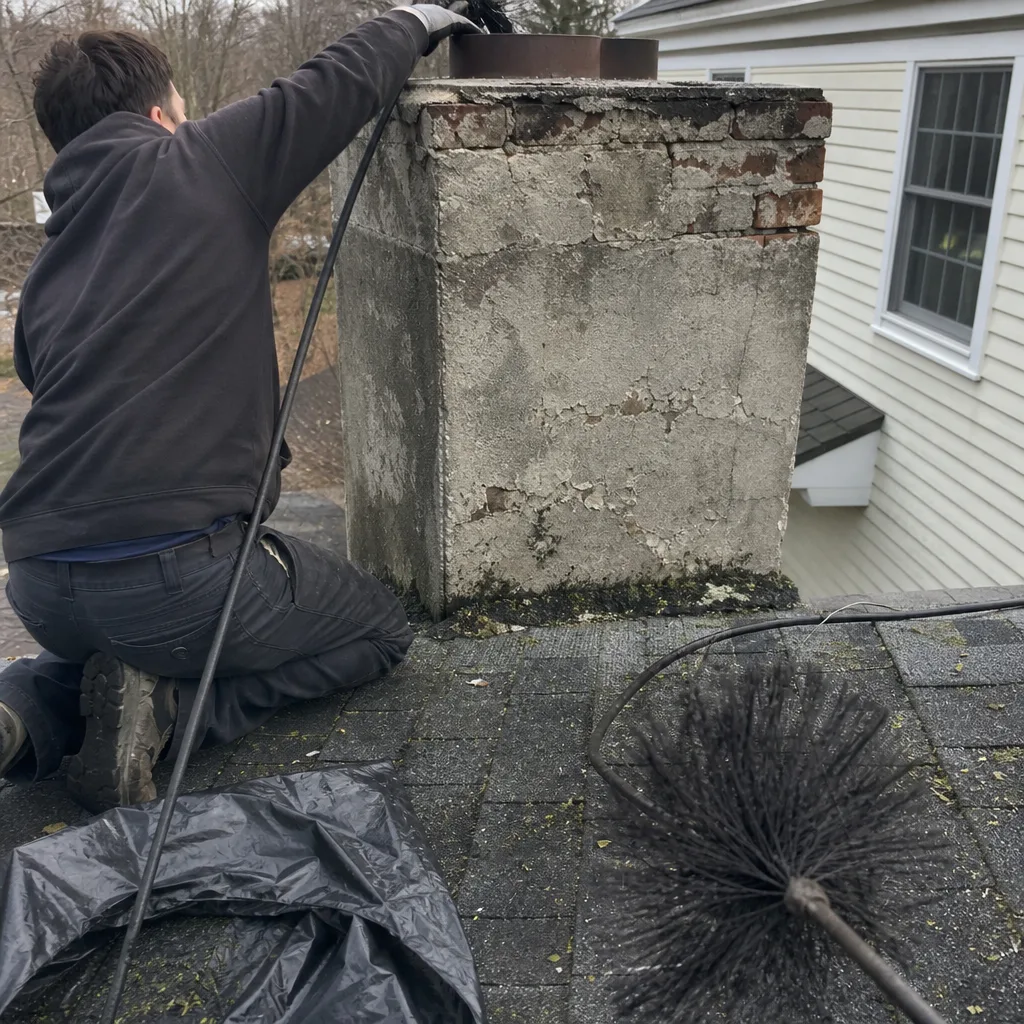 Before
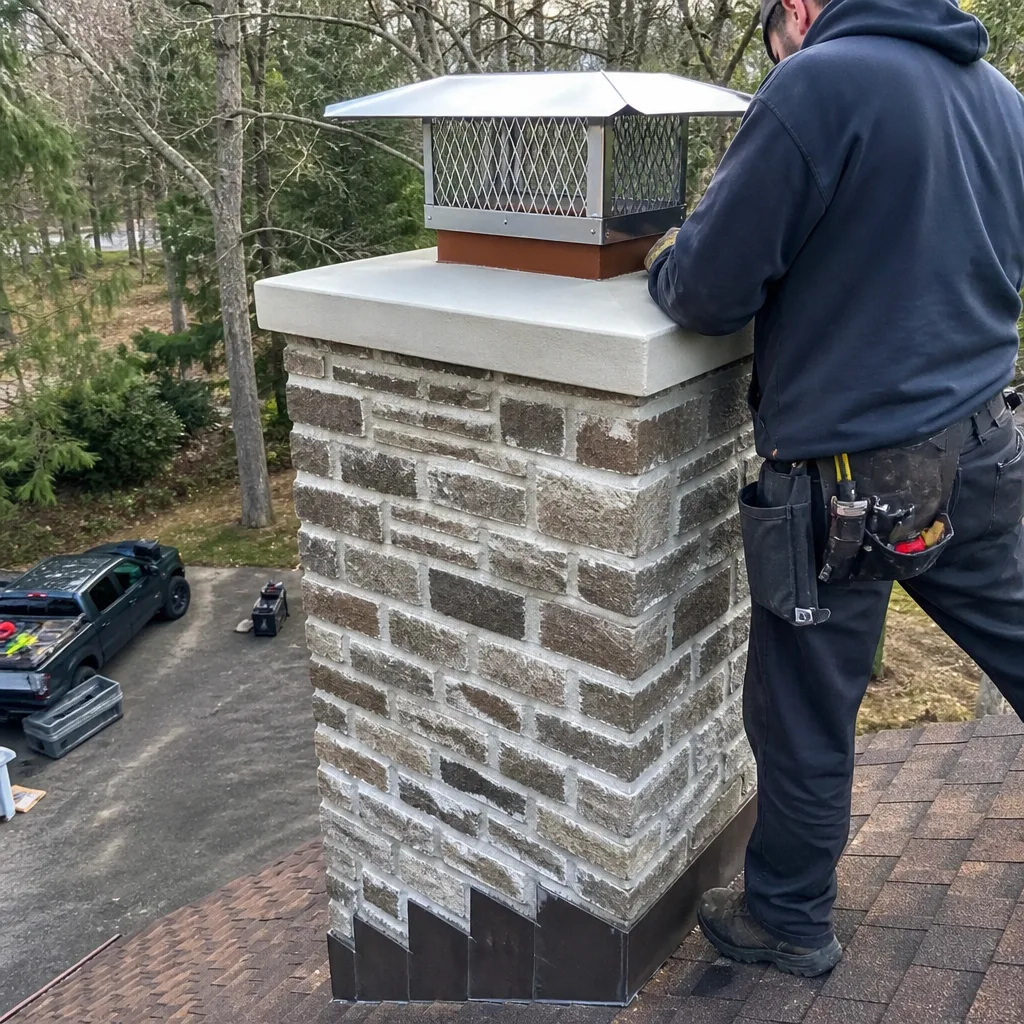 After
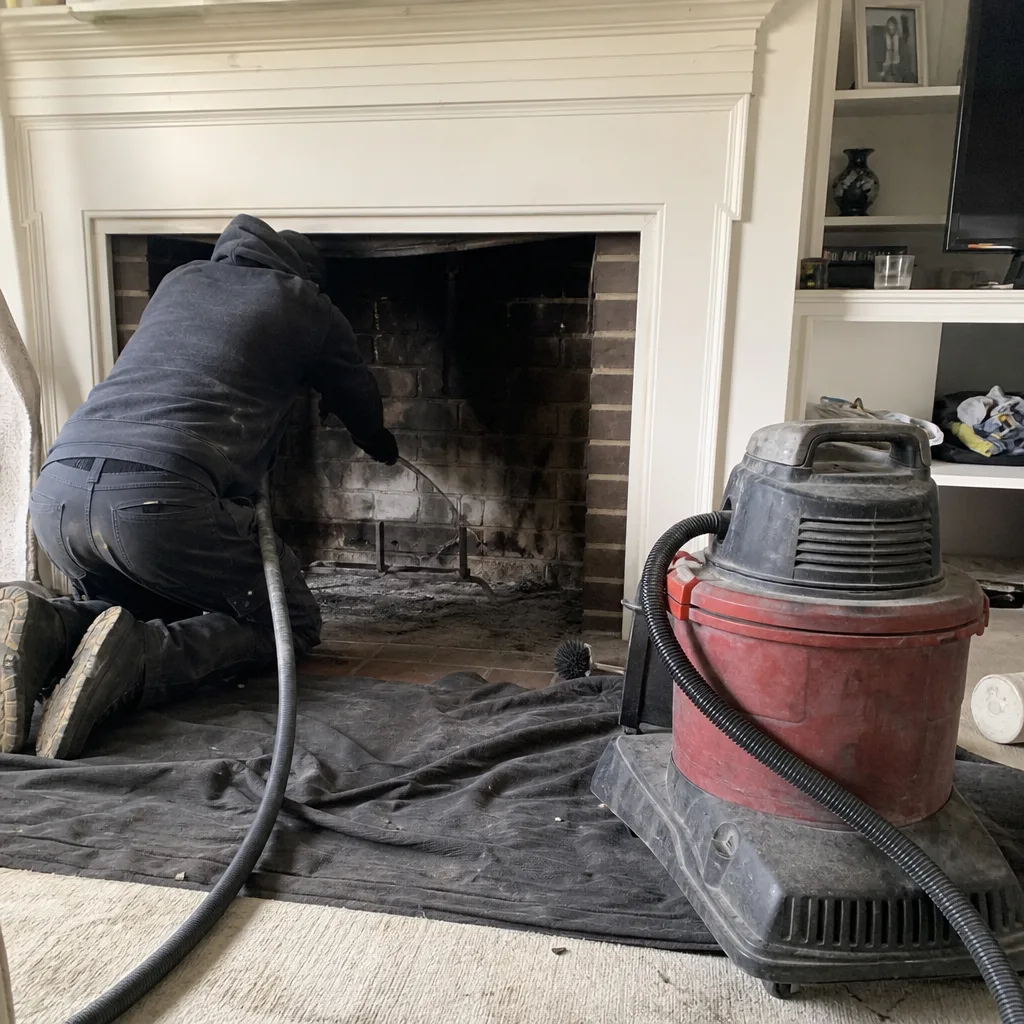 Before
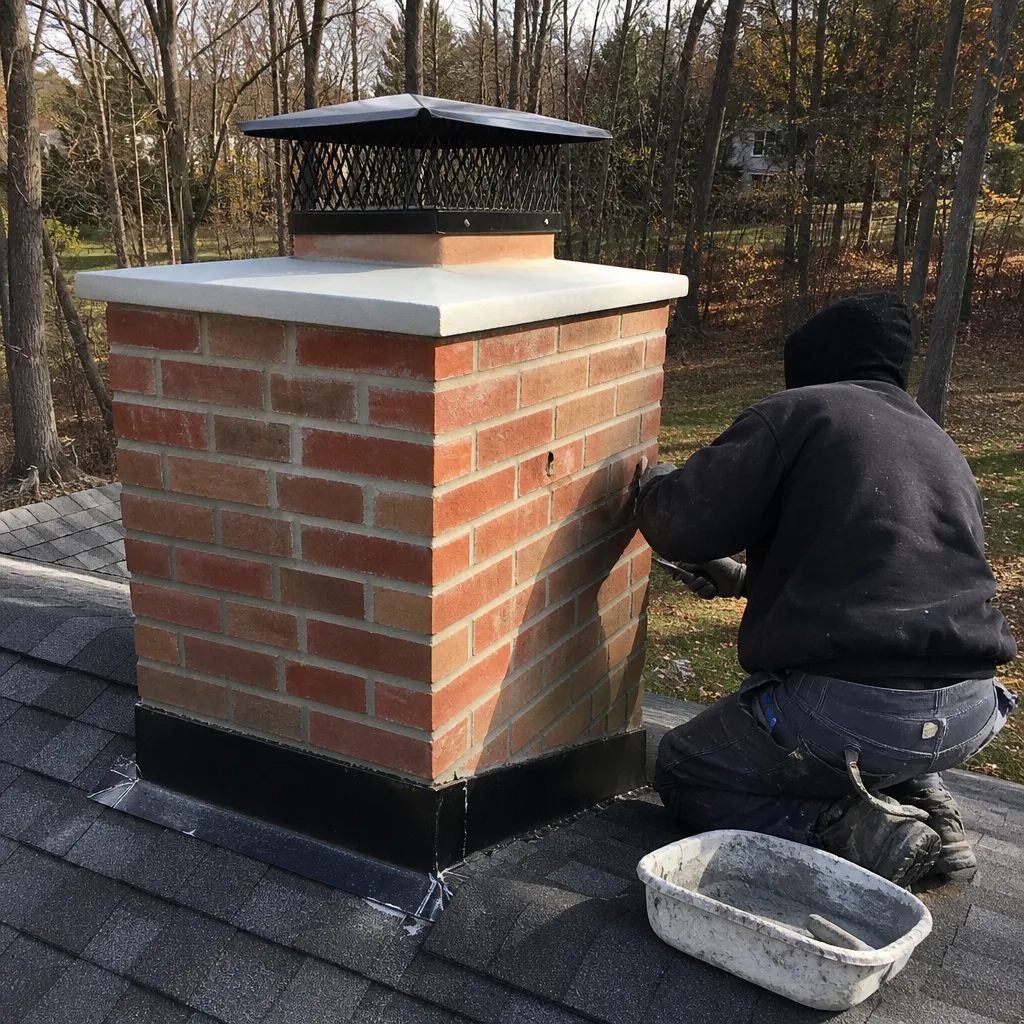 After
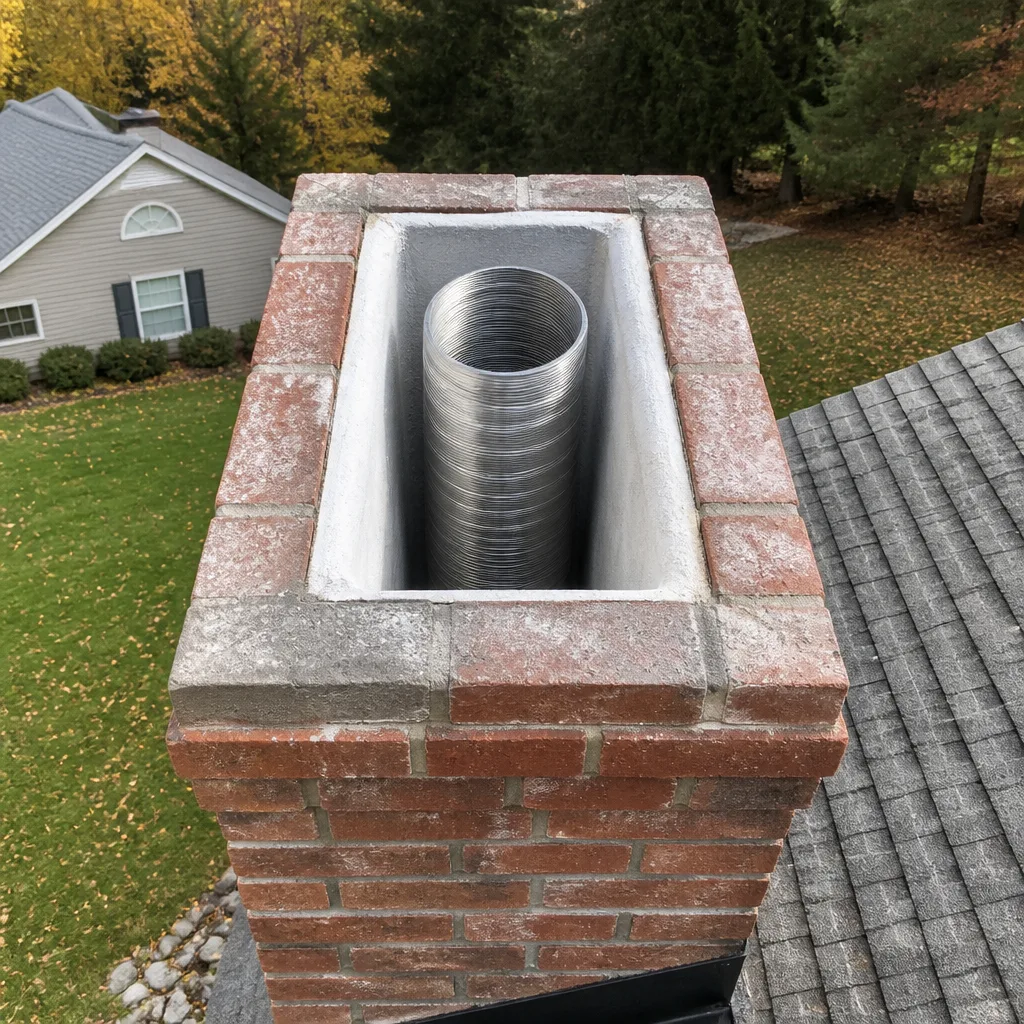
DuraFlex Flue Liner Replacement: The Westchester County Owner’s Guide
We stock and install DuraFlex-compatible flue liner replacement parts across Westchester County, with most swaps running between $1,900 and $4,200 installed depending on the liner diameter, length, and what the camera sees once we’re in the flue. We carry the common sizes on the truck, so a straightforward replacement is usually a one-visit job. Most homeowners find out their DuraFlex liner needs replacing one of three ways: a chimney sweep flags it during an annual cleaning, a home inspector catches it during a sale, or the oil burner starts acting up and the technician traces it back to the flue. The liner is the hardest-working part of your chimney system, and when it goes, it doesn’t make a lot of noise about it. That’s exactly why we camera every liner before we quote a replacement, so you see what we see.
Which DuraFlex Models This Applies To
DuraFlex makes a few different liner families, and they are not interchangeable. The two you’ll most likely have in a Westchester County home are the 316L alloy liners (the Pro model, smooth-wall, for gas and oil appliances) and the heavier AL29-4C stainless (the 304 and 316 versions for wood stoves, fireplace inserts, and anything burning solid fuel). The quick way to identify what you have is to look at the liner cap or the first few inches of exposed liner at the top of the chimney. DuraFlex stamps the alloy grade and diameter on the liner itself. If the stamp is gone or you can’t get up there safely, we find it with a camera and a measurement. One compatibility gotcha that trips people up: DuraFlex Pro in 4-inch and 5-inch diameters uses a male/female twist-lock connection, while the older DuraFlex standard flex used a plain overlap joint. They do not mate cleanly, so if someone tries to splice a Pro section onto an old standard section, the joint leaks. We see that patchwork in older homes around Yorktown and Cortlandt more times than we’d like to count. When selecting a replacement, OEM DuraFlex is always our first choice because the alloy chemistry and the lock profile are exactly what the manufacturer tested. Quality aftermarket equivalents in 316L exist and can work fine for gas applications, but we’re particular about matching wall thickness. Cheap flex liner off a big-box shelf is thin enough to deform during installation, and once it kinks, it’s compromised.
Signs Your DuraFlex Flue Liner Replacement Is Failing
- Water or dark staining on the ceiling or walls near the chimney chase. A failed liner lets flue gas condense inside the chase before it can exit the top. That condensation carries soot and acids, and it migrates through drywall over a heating season. We see this most often in older split-levels and ranches across northern Westchester where the chimney runs through an interior wall.
- Flakes of metal or rust in the firebox or at the cleanout door. DuraFlex liners don’t fail in one dramatic moment. They thin out over time, especially in damp flues. If you’re finding small metallic flakes at the base of the chimney, the liner wall is starting to go. That’s a camera appointment, not a wait-and-see.
- Oil burner or gas furnace short-cycling, or a combustion smell in the basement. Modern appliances push exhaust through a smaller flue than old masonry could handle. If the liner has a breach or separation, the draft pressure drops, and the appliance starts acting up. Your HVAC tech might replace a switch or a nozzle first. We find the liner problem behind it.
- Visible gaps, tears, or separations at the liner seams. On sunny days you can sometimes see this from the ground with binoculars, but you need to be looking right at the top of the flue. If you see a liner that looks like an accordion that’s been left half-open, that’s separation. Heat and weather cycles in Westchester County work the seams something fierce.
- Your sweep tells you it’s time. This is the one that matters most. A good sweep with a camera can show you thinning walls, pitting, or a corroded section long before it becomes a puffback or a chimney fire. Wendell and his crew run a camera on every inspection we do because the flue you can’t see is the one that causes the trouble.
Replacement Cost & What’s Included
In Westchester County, a DuraFlex flue liner replacement for a typical single-flue chimney runs from about $1,900 on the low end for a short gas flue to $4,200 or more for a two-story wood-burning setup with an insert and a tee connection. What drives the spread is the liner diameter (6-inch is the most common for wood, 4-inch for gas and oil), the flue length, whether we’re pulling an old liner out of a tight clay tile passage, and whether the crown or top plate needs attention while we’re up there. Every quote we give is line-itemed: the liner by the foot, the top plate and cap, the tee or connector if there is one, and the labor. No blurred-together number. The price we quote before we start is the price on the invoice when we finish. We don’t find a way to surprise you after the fact, and we show you the camera footage and the measurement so you know the liner we’re pulling out is the liner that actually needed to go. The 90-Day Done Right Promise is in writing on every job, including liner replacements. If it isn’t right, one call brings Wendell back.
DIY or Call Us?
There are honest things you can check yourself. You can stand back from the house and look at the top of the chimney for obvious damage. You can open the cleanout door at the base of the flue (if you have one) and look for flakes or debris. You can pay attention to how your heating system runs and whether there’s a smell in the house after the furnace kicks on. What you should not do is climb onto a two-story wet roof in November to examine a liner, and you should not pull a 25-foot flex liner up through a clay tile flue by yourself. That job fights back, and when a liner hangs up on a broken tile or a mortar glob mid-pull, you either kink the liner, get stuck halfway, or both. Liner work is also a code-mattered job: the sizing has to match the appliance and the chimney, and a wrong-sized liner drafts poorly and can create a carbon monoxide problem in a tight house. If you suspect your DuraFlex liner is failing, call us at (914) 537-6479 and we’ll camera it. If it doesn’t need doing, we’ll tell you that too.
FAQs
In Westchester County conditions, a 316L DuraFlex liner on a wood-burning flue typically lasts 15 to 20 years before it needs replacing, while a 316L liner on a gas or oil flue often goes 20 to 25 years. The weather here shortens that lifespan compared to drier climates because the humidity and freeze-thaw cycles drive condensation inside the flue, and condensation is what eats stainless from the inside out. Call (914) 537-6479 for a camera inspection if your liner is past year 15, and we’ll tell you where it stands.
Usually not, because the failure mode on a flex liner is thinning walls, pitting, and seam separation, not a single clean crack you can patch. By the time the problem is visible to a camera, patching means clamping a band over metal that’s already too thin to hold it, and the next failure will be a few inches away. In rare cases where a top plate or connector is the failed component, we can swap just that part and leave the liner in place. Call (914) 537-6479 and we’ll tell you which one you have after the camera work.
A standard single-flue DuraFlex liner replacement takes one day for most Westchester County homes, including pulling the old liner, installing the new one, and connecting the appliance. Two-story chimneys with a tee connection or a difficult tile passage add time, but we still finish most of those in one long day. We’ll give you a specific window before we start, and if that window slips, someone calls you. Call (914) 537-6479 for a free estimate.
We stock common 4-inch and 6-inch DuraFlex-compatible liner kits, top plates, caps, and connectors on our trucks, so a standard replacement doesn’t wait on a supplier shipment. If you have a less common size or a specialty component, we can usually have it within a couple of days. We also work with HeatShield and Gelco products when a DuraFlex-specific part isn’t the right fit for the job. Call (914) 537-6479 and we’ll confirm what your flue needs before we come out.
Wendell Pike has been running chimney crews in Westchester County since 1999, and Top Hat Chimney is still the same owner-operated shop it was then. If your DuraFlex liner is failing, call (914) 537-6479 for a free estimate. We’ll show you the camera footage, tell you what we find in plain terms, and quote a price before any tool comes off the truck. If it doesn’t need doing, we’ll tell you that too.
Written by Wendell Pike, Owner, Top Hat Chimney at Top Hat Chimney, serving Westchester County and nearby areas.