
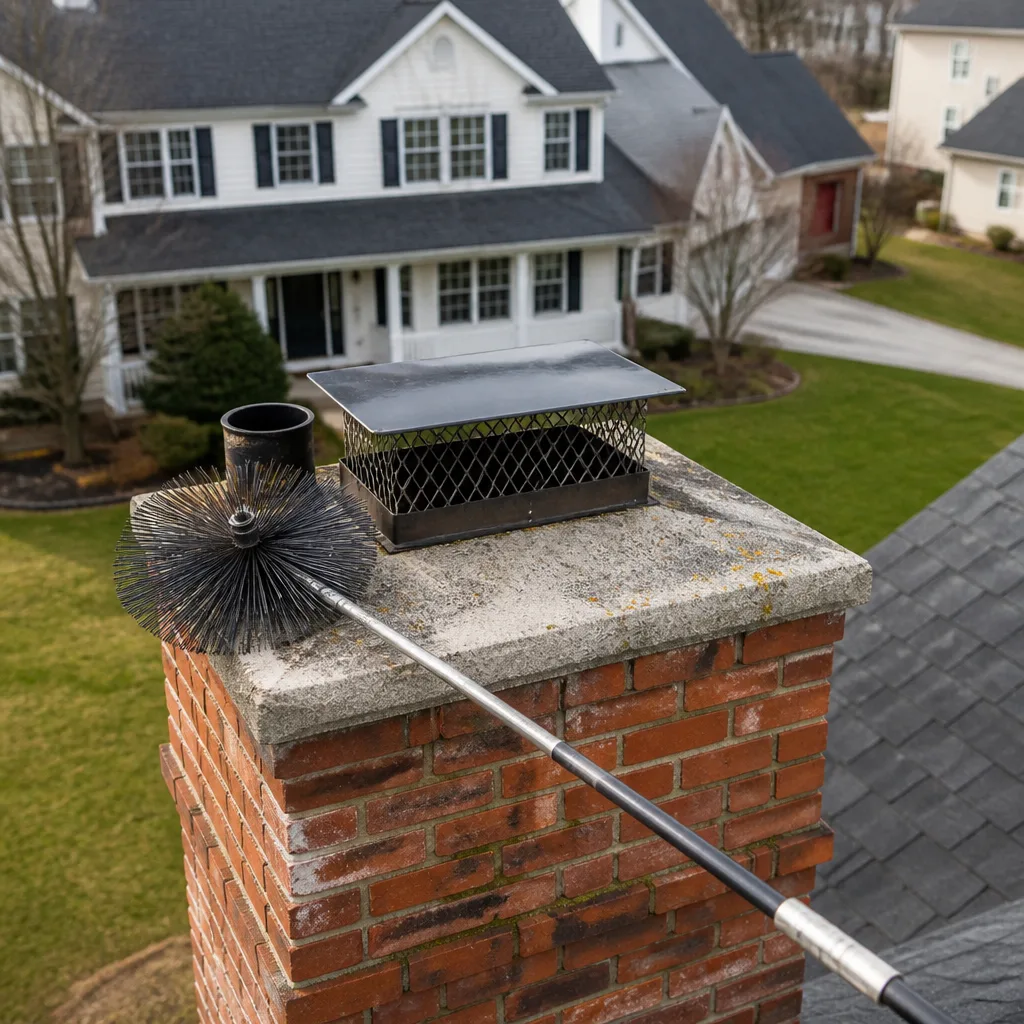
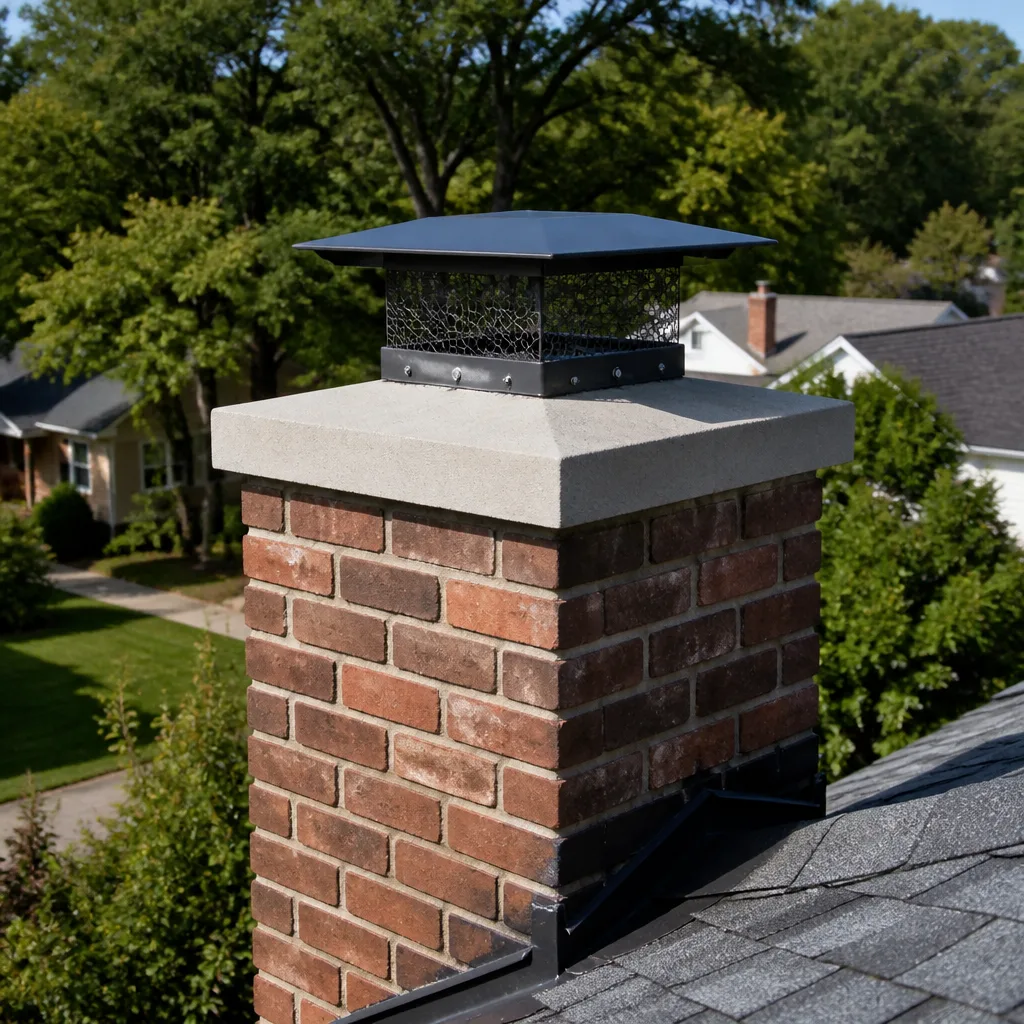
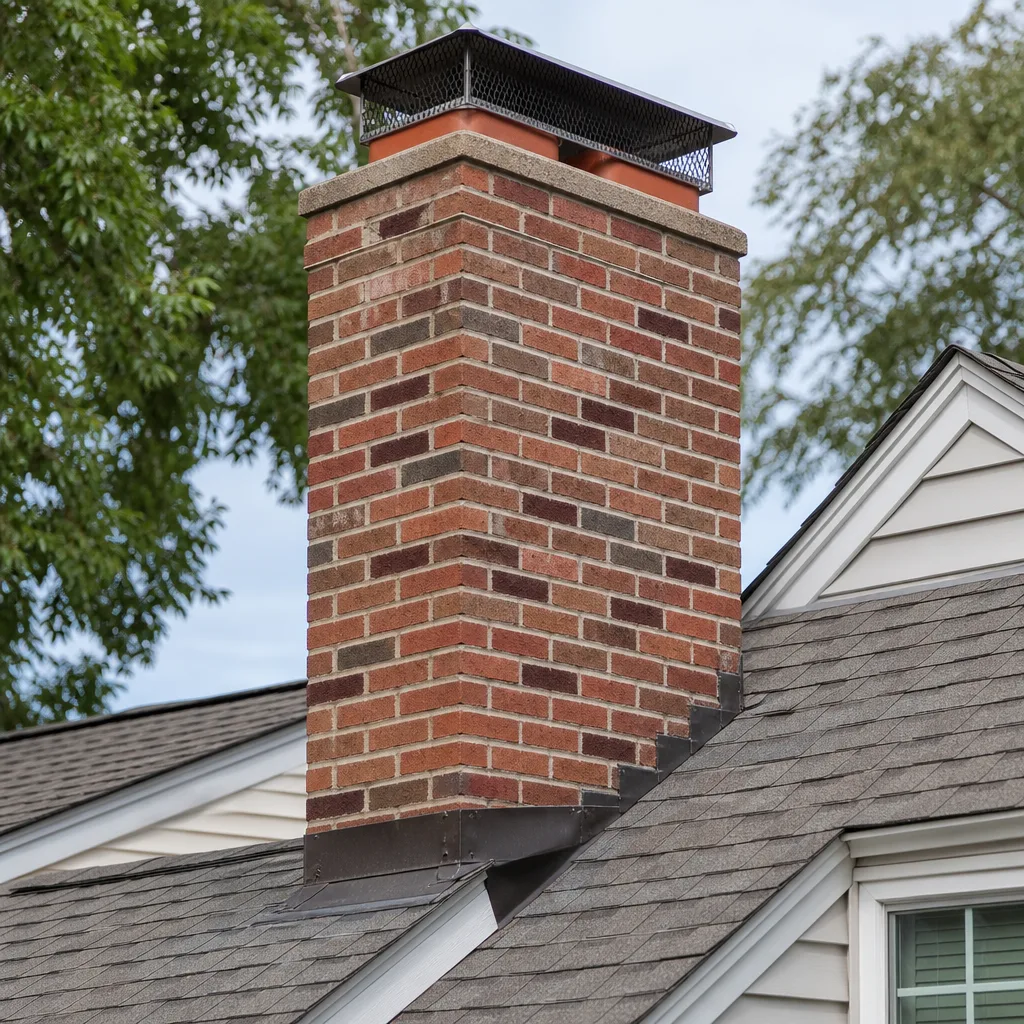
Level 1 sweep and inspection to the NFPA 211 annual standard - flue, crown, cap, and flashing checked and photographed
Chimney sweep logs do not sweep chimneys. They loosen some creosote - which then falls where a brush and vacuum still have to collect it.
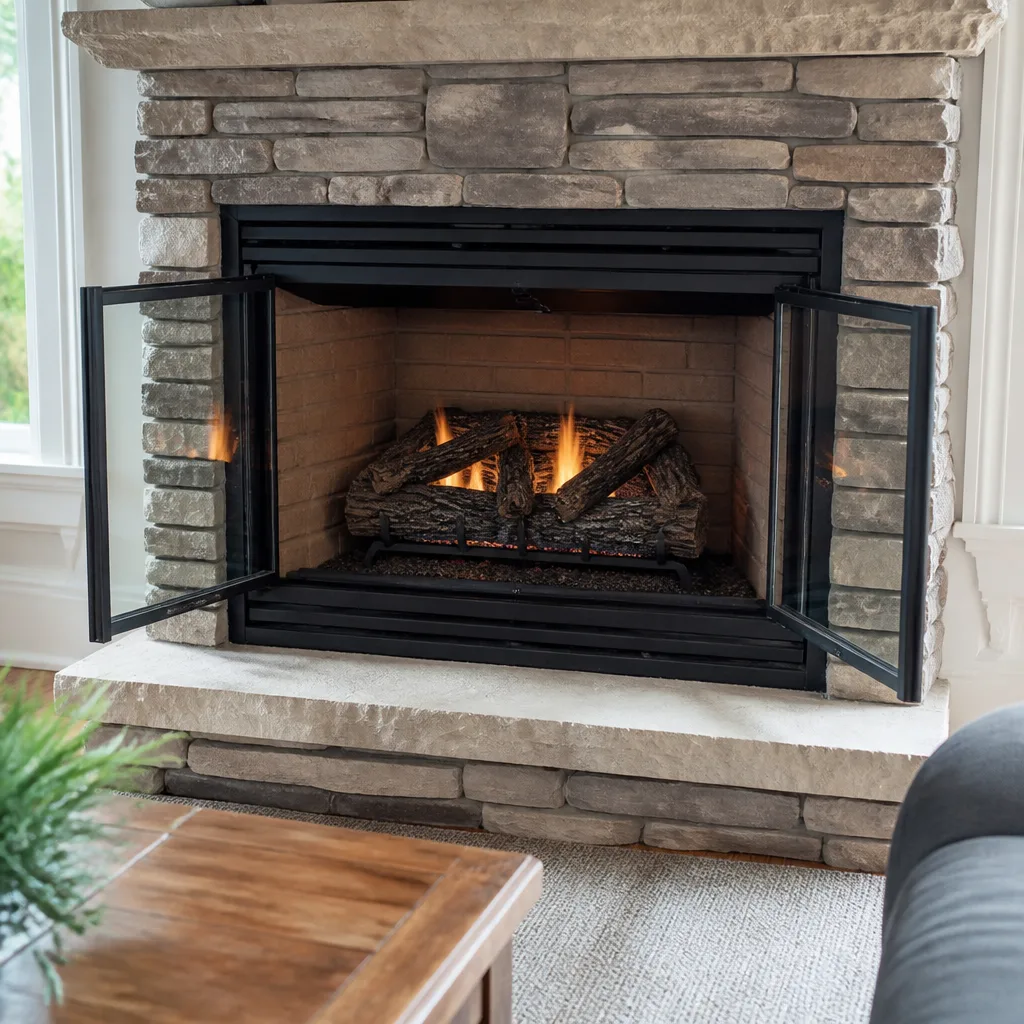
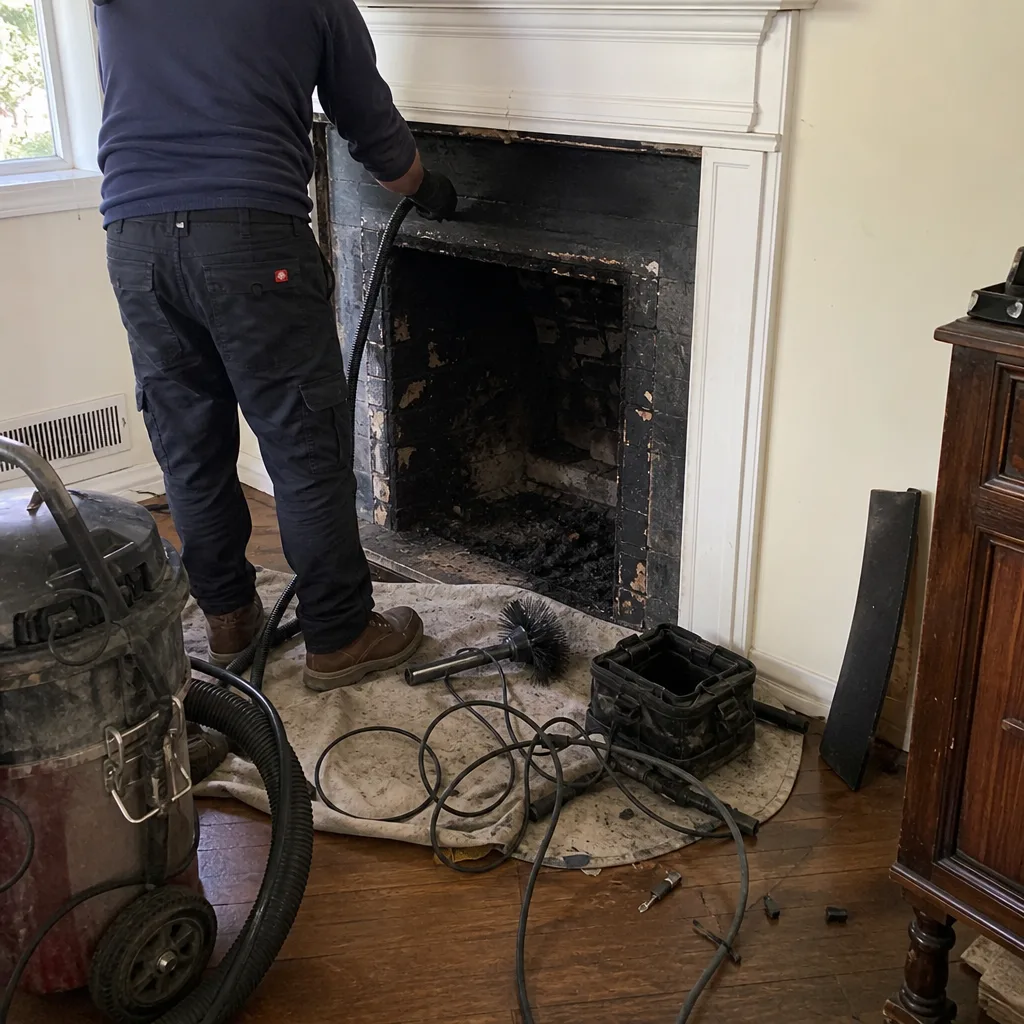 Before
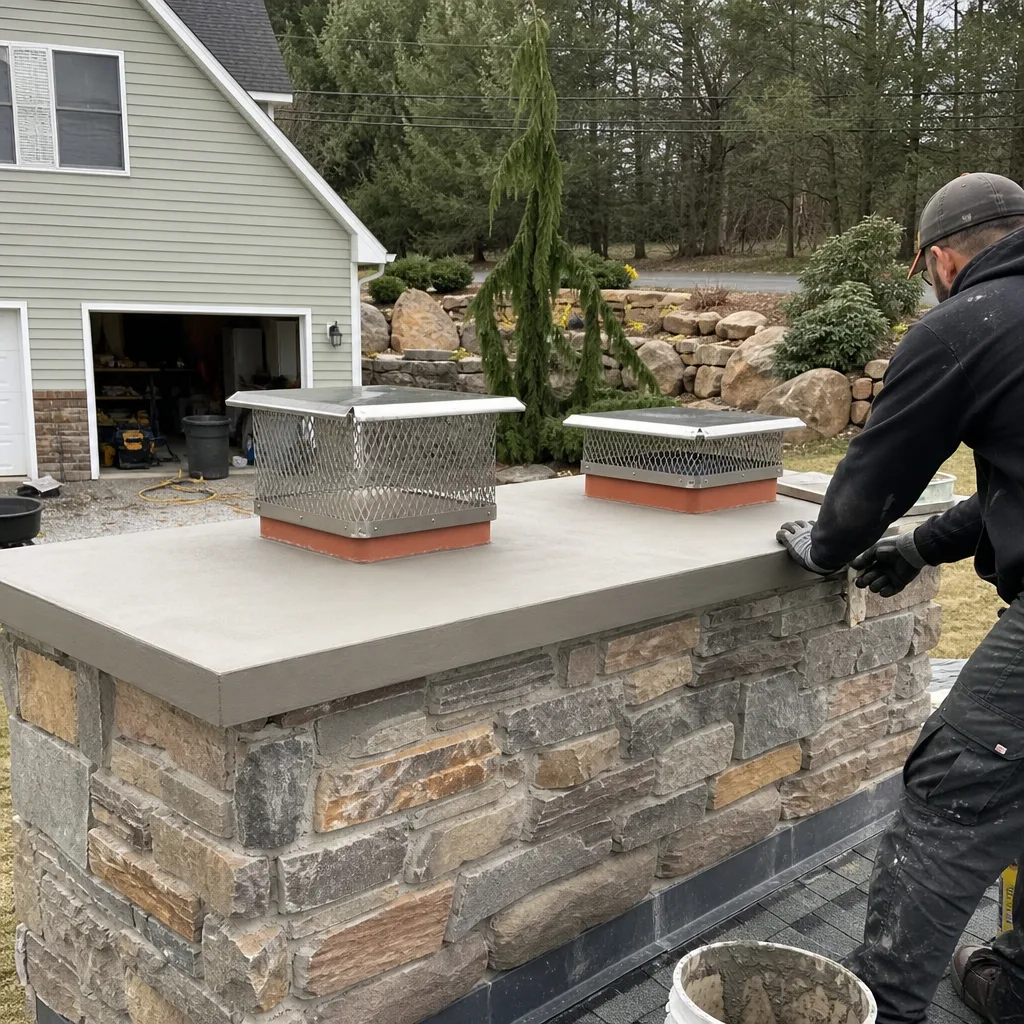 After
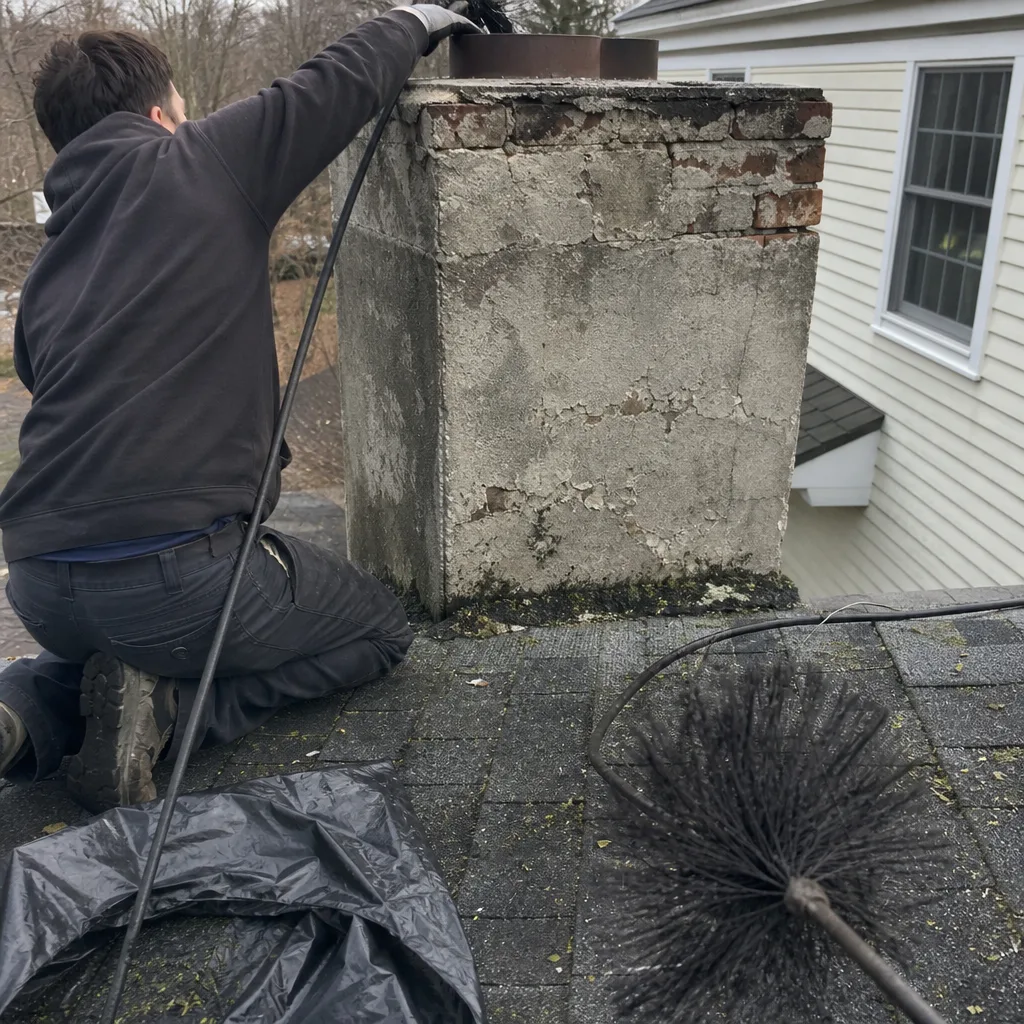 Before
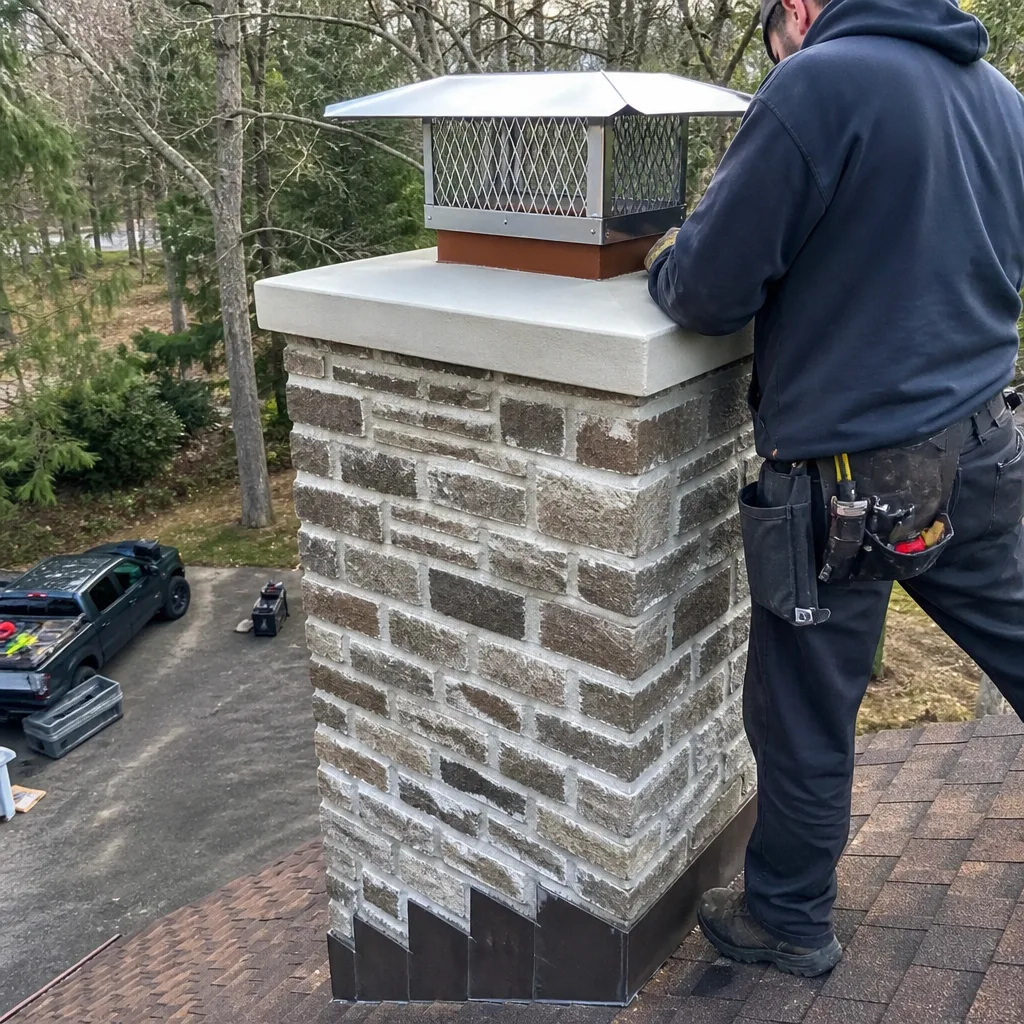 After
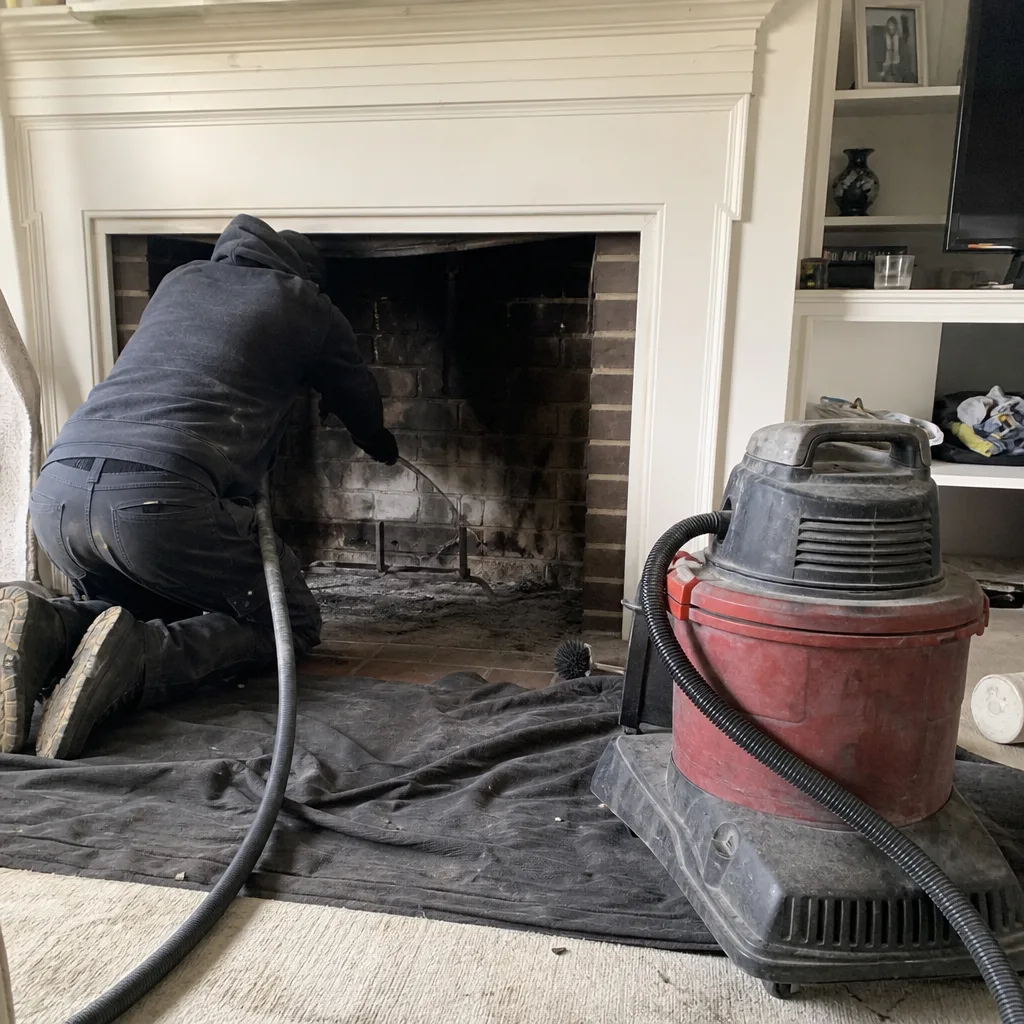 Before
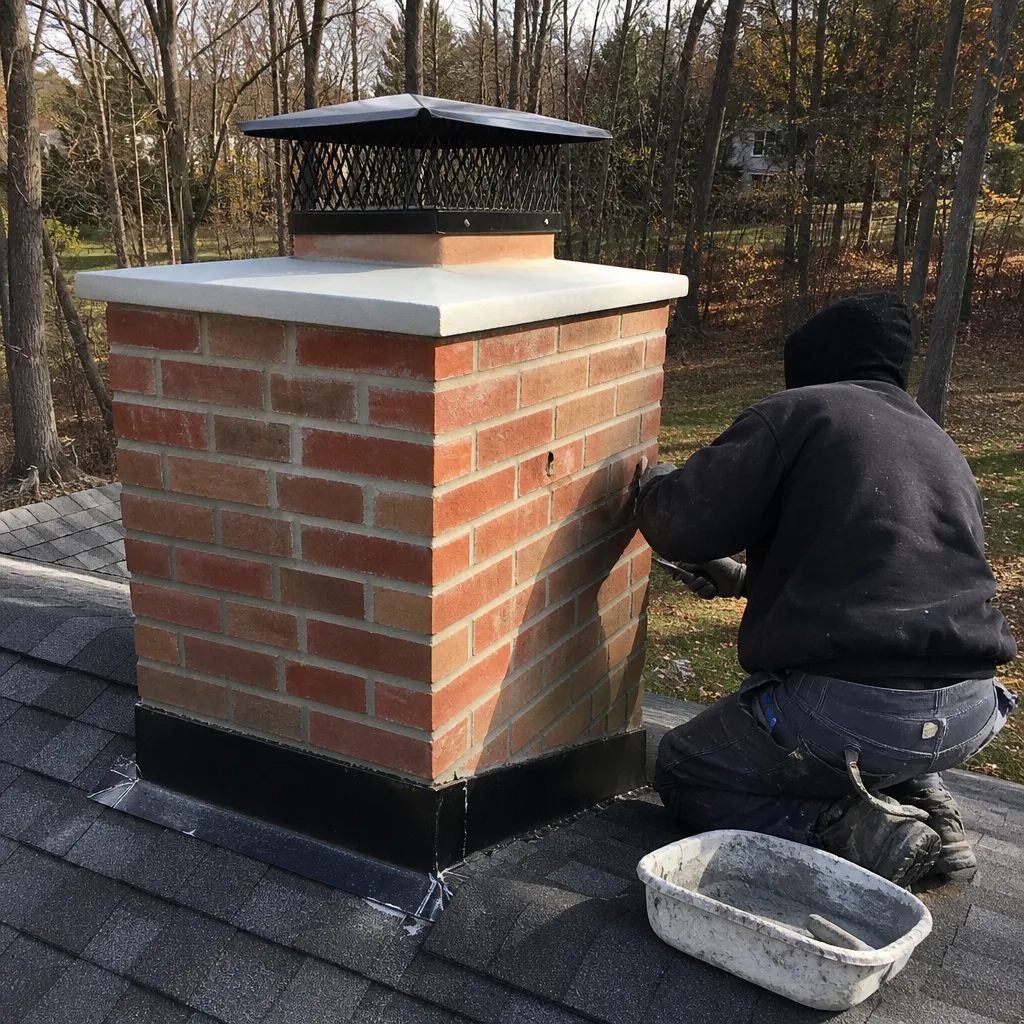 After
Copperfield Flue Liner Replacement: The Westchester County Owner’s Guide
If you have a Copperfield chimney liner that’s cracked, warped, or rusted through, replacement is usually the right call, not a patch job. We stock Copperfield-compatible flue liner replacement parts on our trucks and install them across Westchester County, with most swaps running between $1,200 and $3,400 depending on length, diameter, and how hard the flue is to access. You’ll usually know something’s wrong before we ever show up: a rust stain on the wall near the chimney, a smell that hangs around after the fire’s out, or little flakes of metal in the firebox.
Here’s the short version of how this page works. We’ll walk through which Copperfield models this applies to, what actually fails on these liners, what a replacement costs in Westchester County, and whether you can do any of it yourself. If it doesn’t need doing, we’ll tell you that too.
Key Takeaways
- Copperfield liners fail from moisture and heat cycling, and Westchester County’s freeze-thaw winters speed that up.
- Installed replacement in Westchester County typically runs $1,200 to $3,400, with the camera inspection included.
- We stock Copperfield-compatible liner sections on the truck, so most jobs are one visit.
- Every replacement is backed by our 90-Day Done Right Promise, in writing.
Which Copperfield Models This Applies To
Copperfield makes a few different liner lines, and the replacement part has to match what’s already in your flue. The big gotcha we run into in Westchester County: older Copperfield installations, especially on homes built in the 1980s and early 1990s, often used a 7-inch liner where today’s standard is 6 inches. You can’t just eyeball it from the top of the chimney. We measure the inside diameter with a caliper before ordering or pulling anything off the truck.
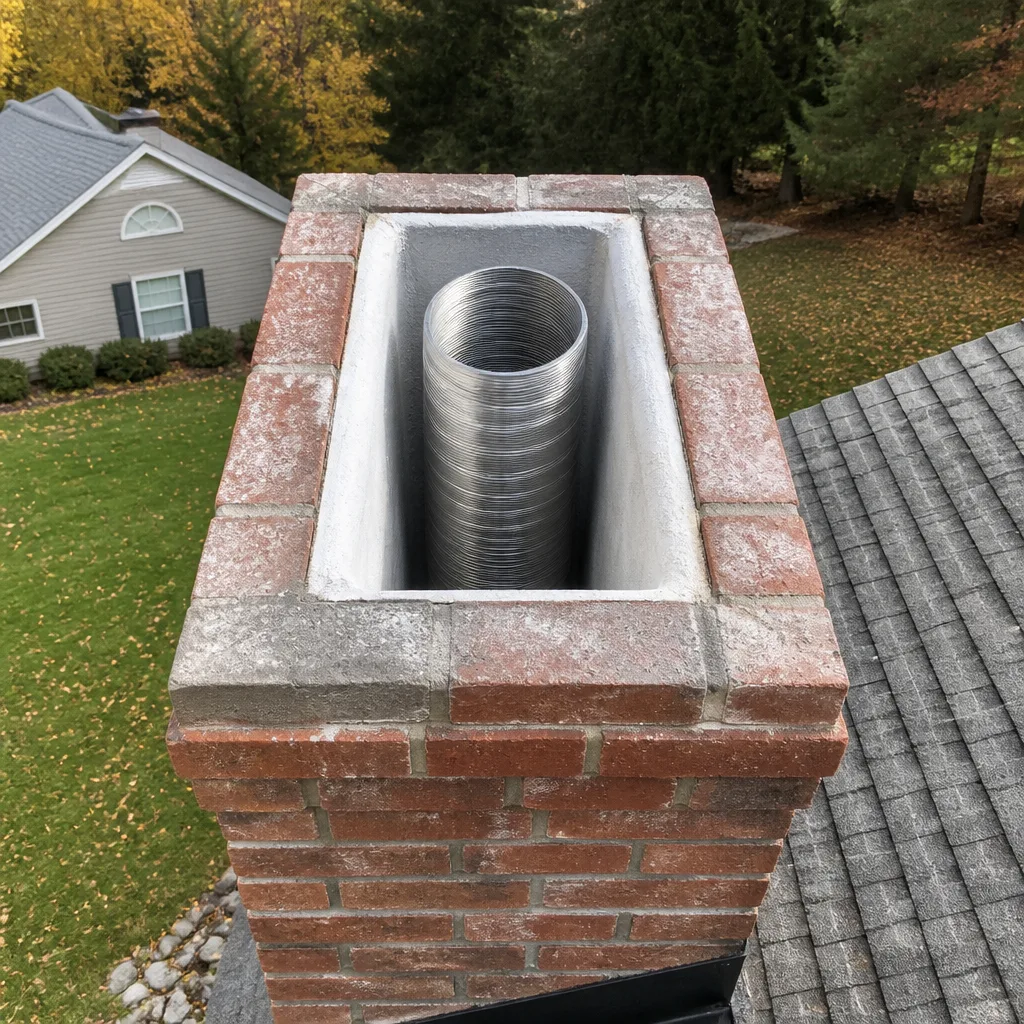
The good news is that Copperfield’s current stainless liners are cross-compatible with most standard 316L and 316Ti alloy flex liner components, so we can match an OEM Copperfield liner with a properly spec’d replacement without waiting on a special order. But we don’t mix and match blindly. The alloy matters: if you’re burning wood, you want 316Ti or better; if it’s a gas fireplace, 316L usually holds up fine. For the record, Top Hat Chimney is an independent service company. We’re not affiliated with Copperfield, but we’ve installed and repaired enough of their liners to know what fits and what fights you on the way in.
If you can find the liner’s original paperwork or a label near the appliance, bring it out when we arrive. If not, don’t worry. We measure, we check the appliance’s BTU rating and fuel type, and we match the liner to that. It’s not a guess-and-hope process.
Signs Your Copperfield Flue Liner Replacement Is Failing
Liners don’t usually fail all at once. They give you warnings. Here are the five we see most often in Westchester County homes:
- Rust streaks or staining on the chimney exterior or interior wall. This usually means condensation is forming inside the flue and the liner has already thinned enough to let moisture through. In Westchester County, where we get real freeze-thaw cycles, a pinhole becomes a split in two or three seasons.
- A smell like burnt metal or old soot after the fire’s been out for hours. That’s flue gases leaking backward through a crack. Your flue doesn’t care how the fire looks. It cares how it breathes.
- Flakes or granules of metal in the firebox or at the base of the chimney. That’s the liner literally shedding material. Once you see this, you’re past the point of repair.
- A sudden change in how the fireplace draws. If it used to pull cleanly and now it smokes back into the room, the liner may have shifted, collapsed inward, or developed a hole that’s breaking the draft.
- Visible cracks or gaps at the liner’s top cap. Get a flashlight and look down from the roof if it’s safe to do so. If the top section looks warped or separated, water’s been getting in, and the upper liner is usually the first to go.
None of these are subtle once you know what you’re looking at. And none of them get better on their own.
Replacement Cost & What’s Included
In Westchester County, a Copperfield flue liner replacement typically lands between $1,200 and $3,400 installed. The spread comes down to three things: how long the flue run is, whether it’s a straight drop or has offsets, and what diameter your system needs. A short, straight 6-inch liner in a single-story home sits at the low end. A two-story older home near Teatown Lake Reservation with a 35-foot run and an offset is going to be at the high end, because the liner itself costs more and the installation takes longer.
Here’s the pricing structure so you can see what you’re paying for:
| Component | Typical Range in Westchester County |
|---|---|
| Copperfield-compatible stainless liner (per foot, installed) | $38-$62 |
| Top plate, rain cap, and connector | $180-$320 |
| Camera inspection and photo report | Included |
| Labor (pulling old liner, installing new, sealing) | $400-$900 |
| Full replacement, typical single-flue home | $1,200-$3,400 |
Every replacement includes the camera inspection before we start and a photo report when we’re done, so you can see exactly what was in there and what we put back. We quote a flat price before a single tool comes off the truck, and the number you hear is the number on the invoice. That’s how we’ve worked since 1999.
DIY or Call Us?
There’s an honest split here. You can absolutely inspect from the ground: look for rust streaks, check the firebox for flakes, and shine a light up the flue to see if the top section looks intact. If you’re comfortable on a ladder, you can pull the cap and look down. That’s all worth doing before you call anyone, us included, because it gives you a baseline.
What you shouldn’t do is try to pull and replace a liner yourself. A flue liner is a long section of stainless steel that has to be pulled through the chimney without snagging, centered properly, and sealed at both ends. If it kinks, it’s ruined. If it’s not sized right, you’ll have draft problems that make the fireplace worse than it was before. And any time you’re working on a rooftop in Westchester County in anything but perfect weather, the risk is real. Wendell Pike has been on more of these roofs than he can count, and he still won’t rush one. If you want to check things yourself first, do it. If you want the liner swapped, call (914) 537-6479 and we’ll give you a straight answer.
FAQs
In Westchester County, expect 15 to 25 years from a stainless liner, depending on fuel type, how often you burn, and whether the chimney cap has been doing its job. Gas liners tend to last longer than wood-burning liners because the acids in wood exhaust are harder on the metal. If your home is on a ridge near the Hudson where the wind drives rain sideways, subtract a few years. Call (914) 537-6479 and we’ll assess yours honestly.
Small cracks at the very top of the liner can sometimes be addressed with a repair section, but any crack below the first foot almost always means replacement. Once moisture and acids have started eating through the liner, the rest of the wall has usually thinned to the point that you’re chasing problems. We’ll show you the camera footage so you can see it with your own eyes before you spend a dollar.
Most Copperfield flue liner replacements in Westchester County take between three and five hours from ladder up to final photo report. Straight runs go faster; offset flues and older stone chimneys take longer. You’ll have a real arrival window before we come, and if anything changes, Wendell or one of his crew will call you.
We stock Copperfield-compatible liner sections, connectors, caps, and plates on our trucks, so the majority of Westchester County jobs are done same visit. If you need a non-standard diameter or an unusual length, we’ll tell you up front and schedule the return rather than installing something that’s not right. Call (914) 537-6479 and we can tell you over the phone whether yours is a stock item.
Written by Wendell Pike, Owner, Top Hat Chimney at Top Hat Chimney, serving Westchester County and nearby areas.