
Last updated September 10, 2026
Level 1 sweep and inspection to the NFPA 211 annual standard - flue, crown, cap, and flashing checked and photographed
Chimney sweep logs do not sweep chimneys. They loosen some creosote - which then falls where a brush and vacuum still have to collect it.
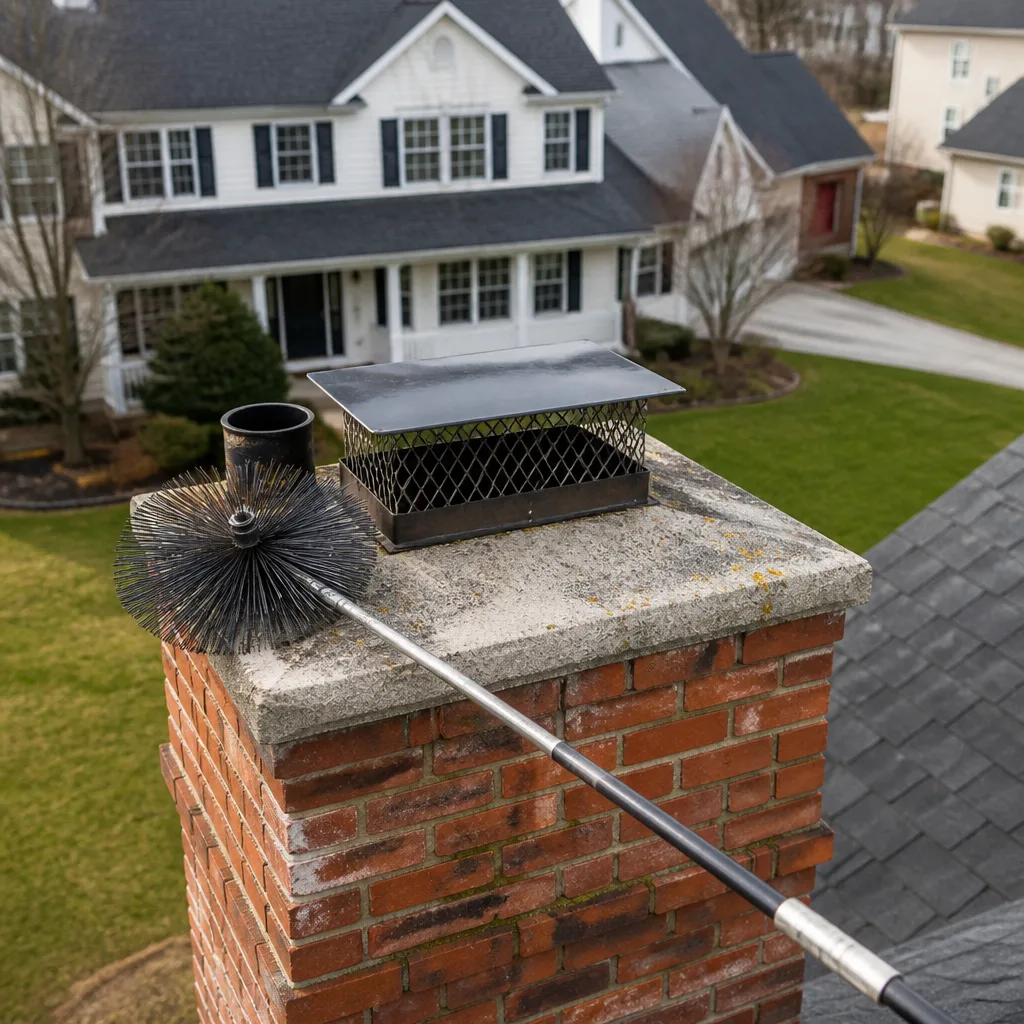
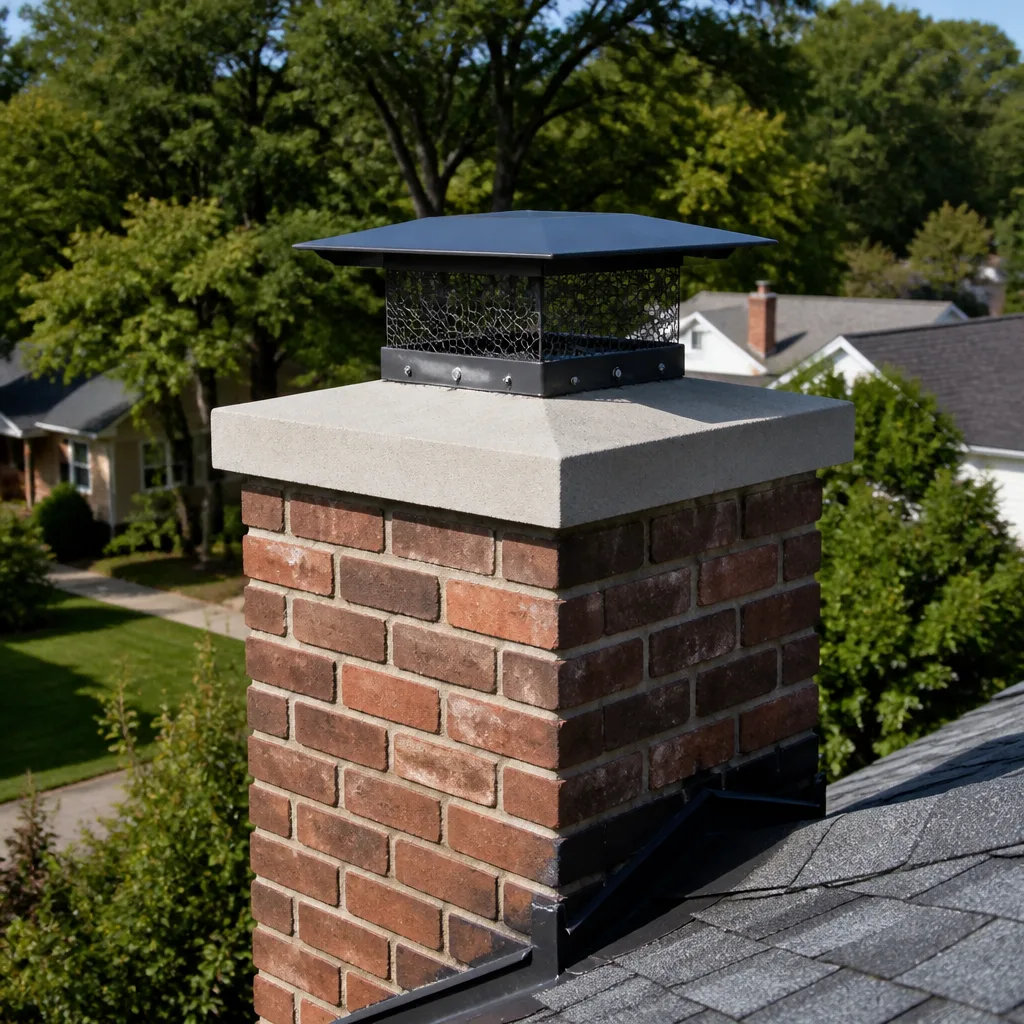
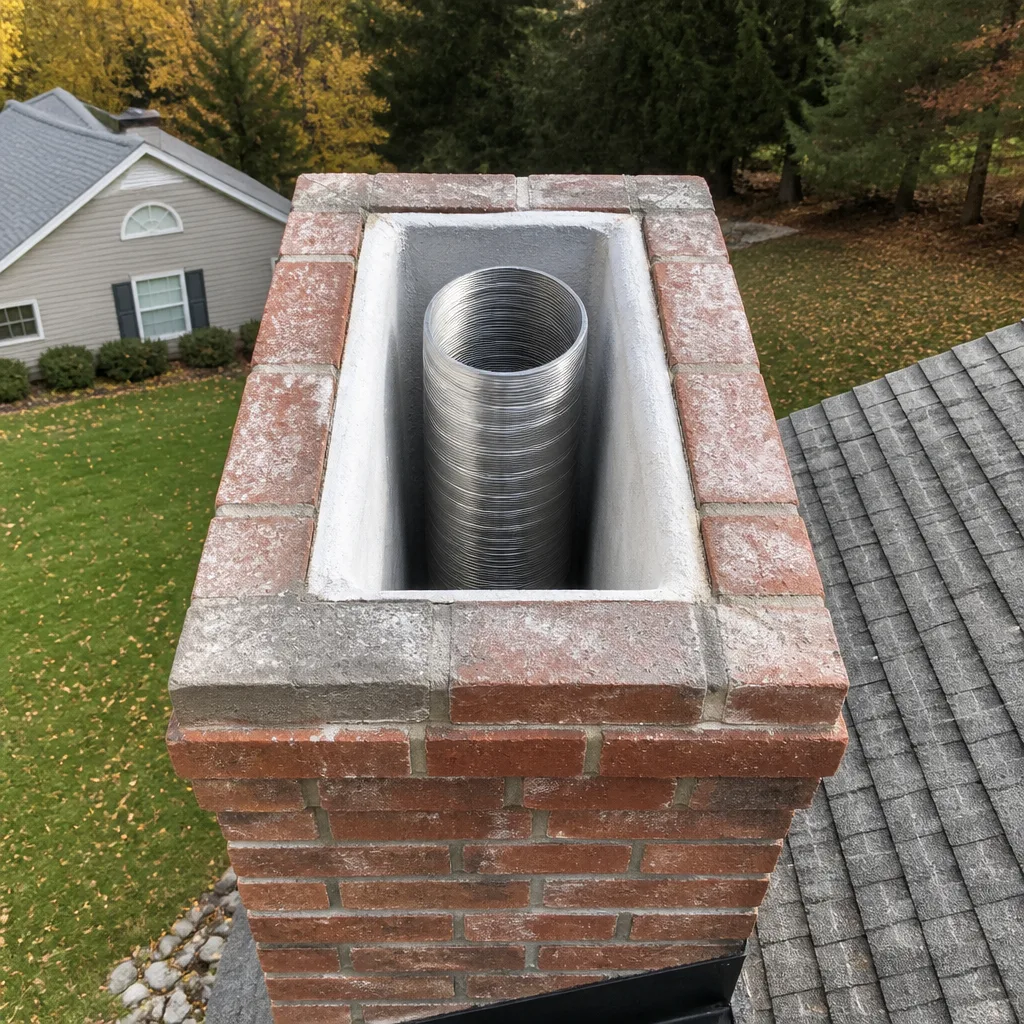
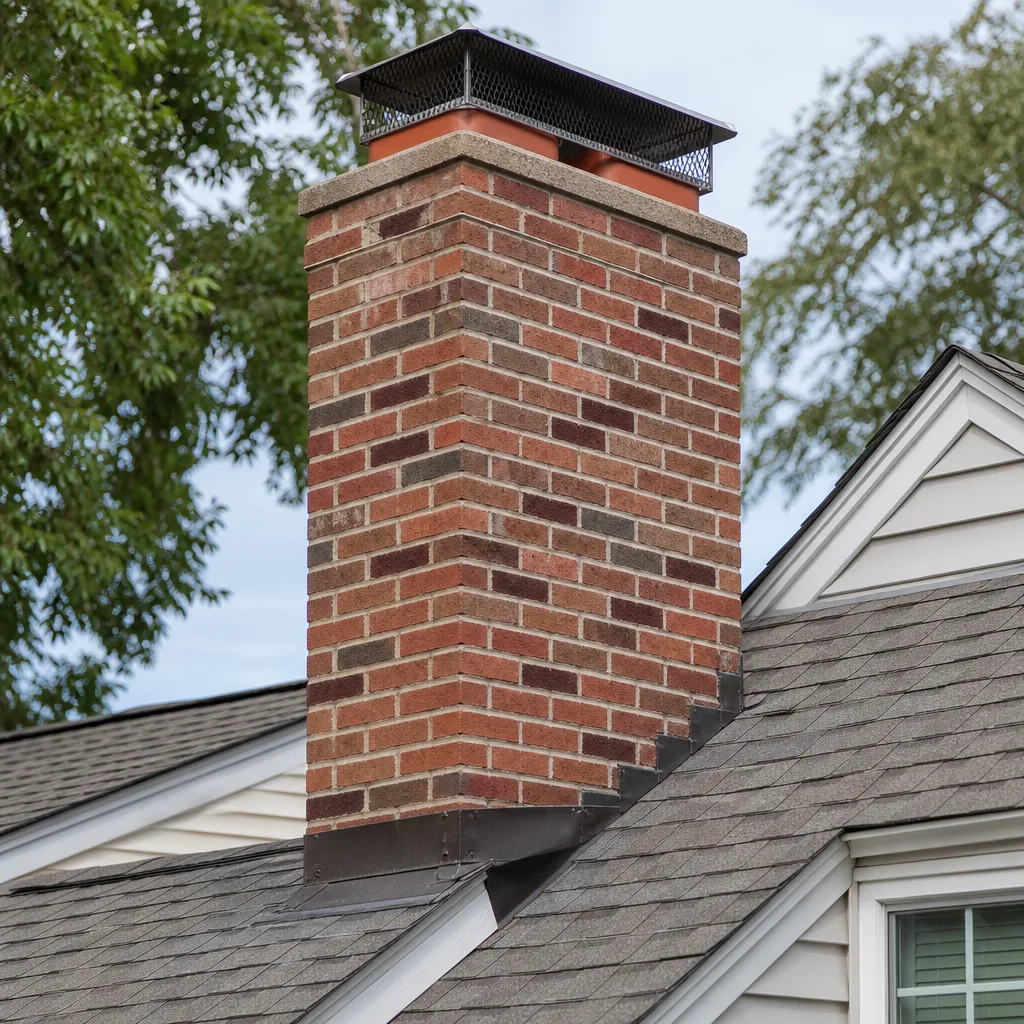
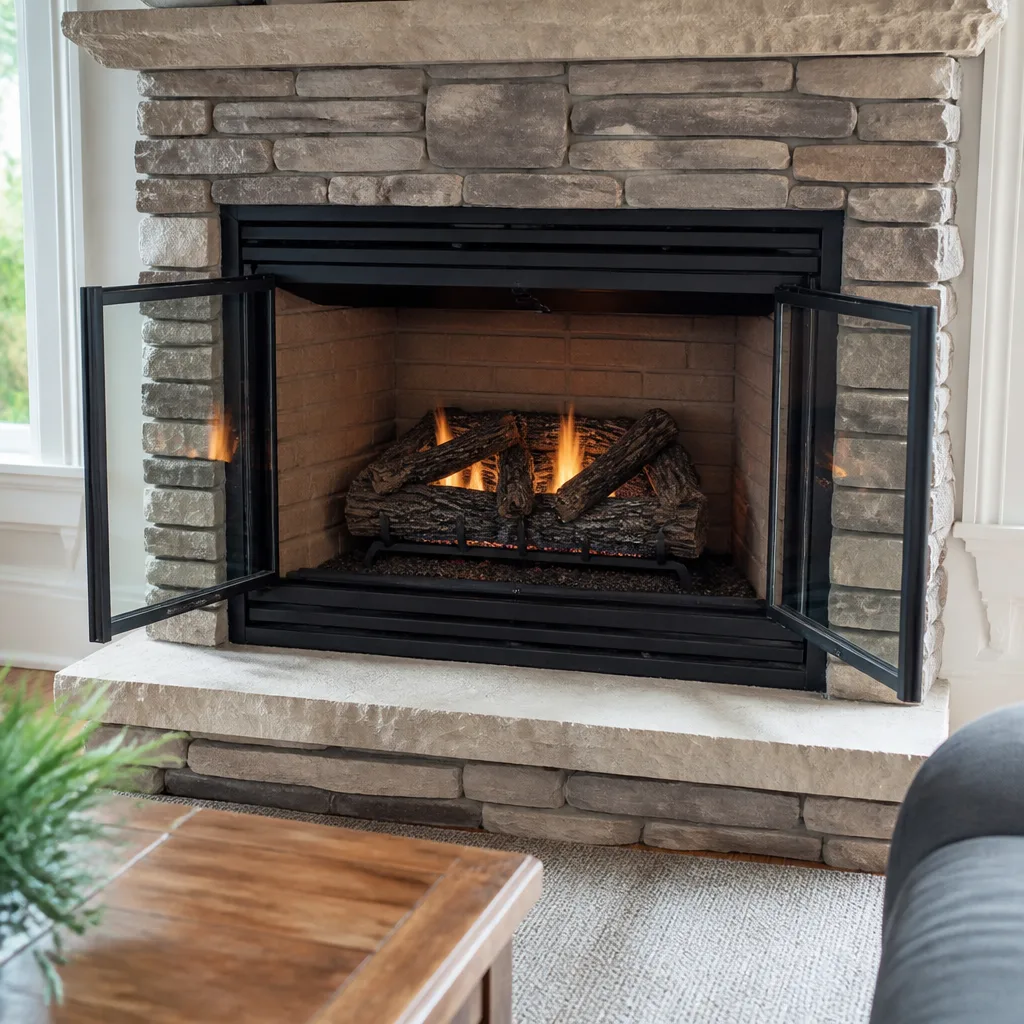
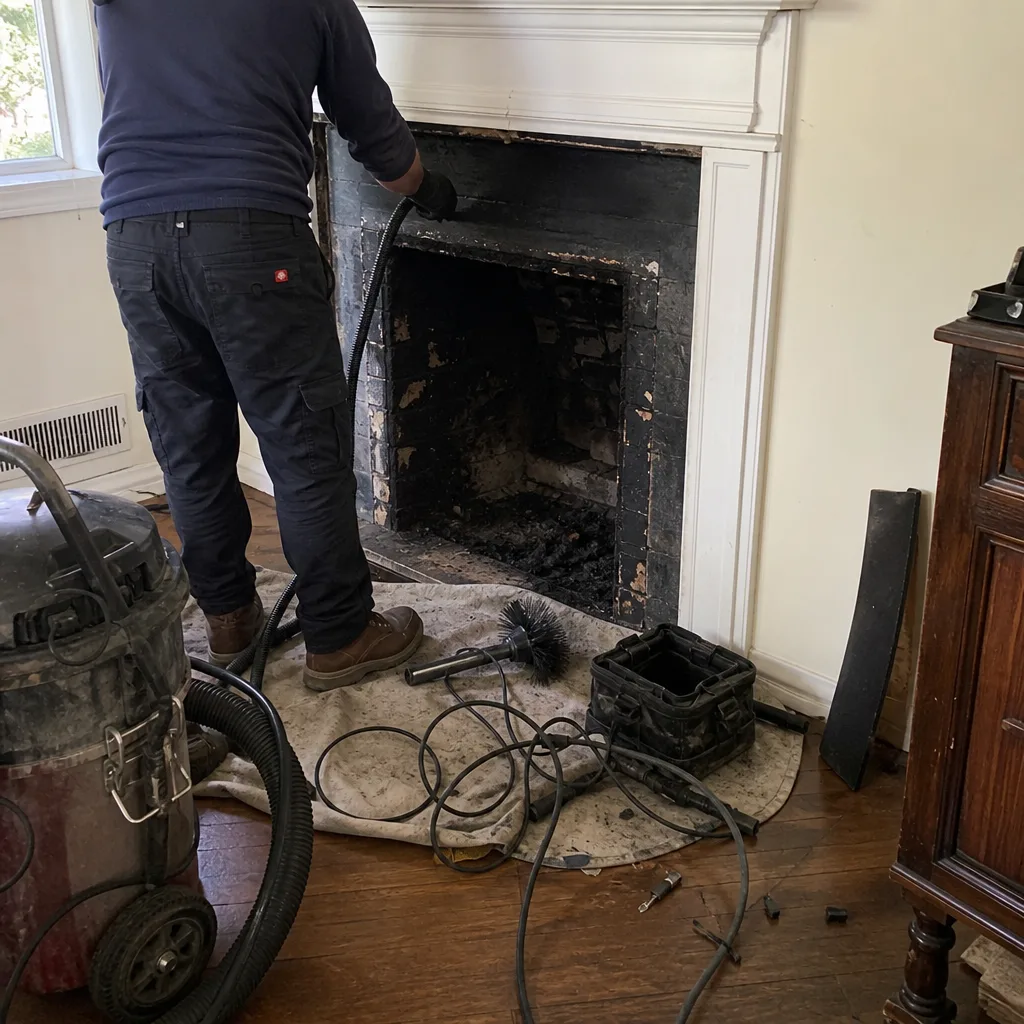 Before
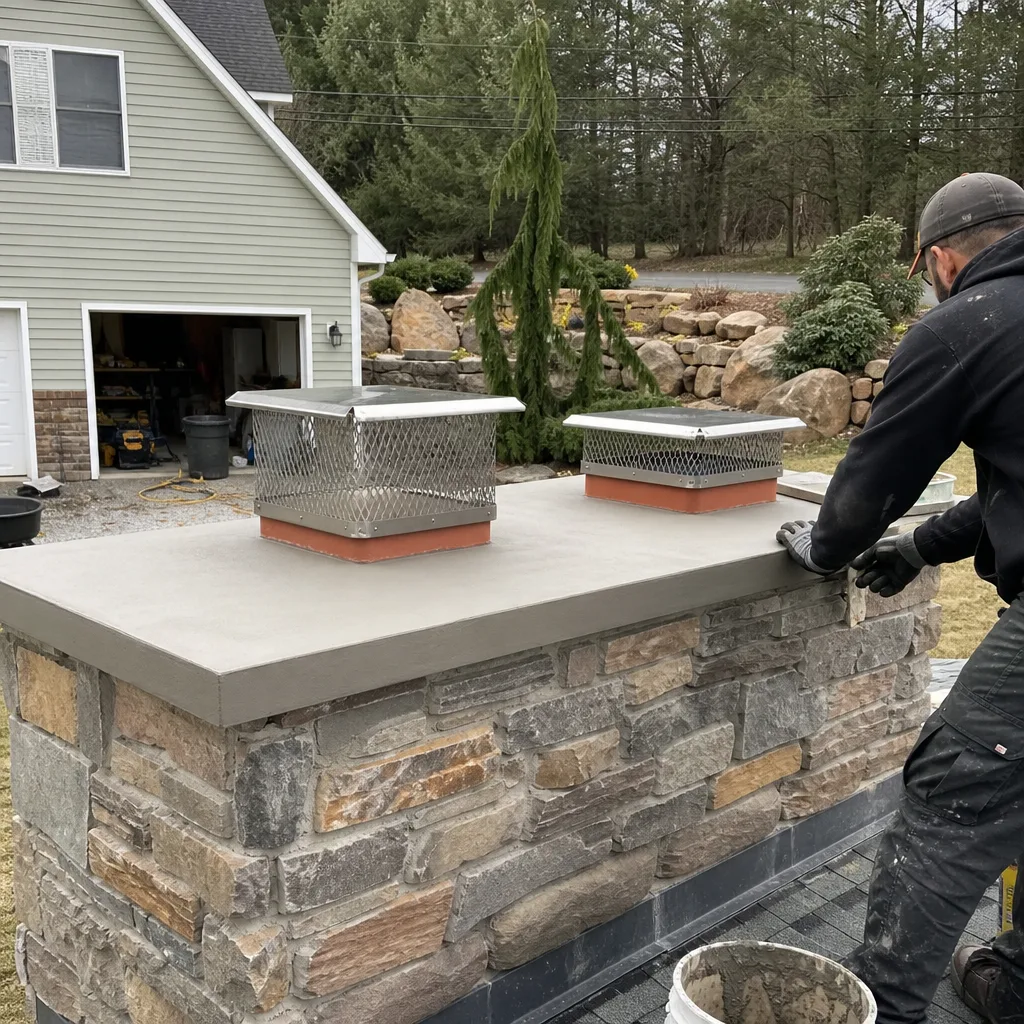 After
After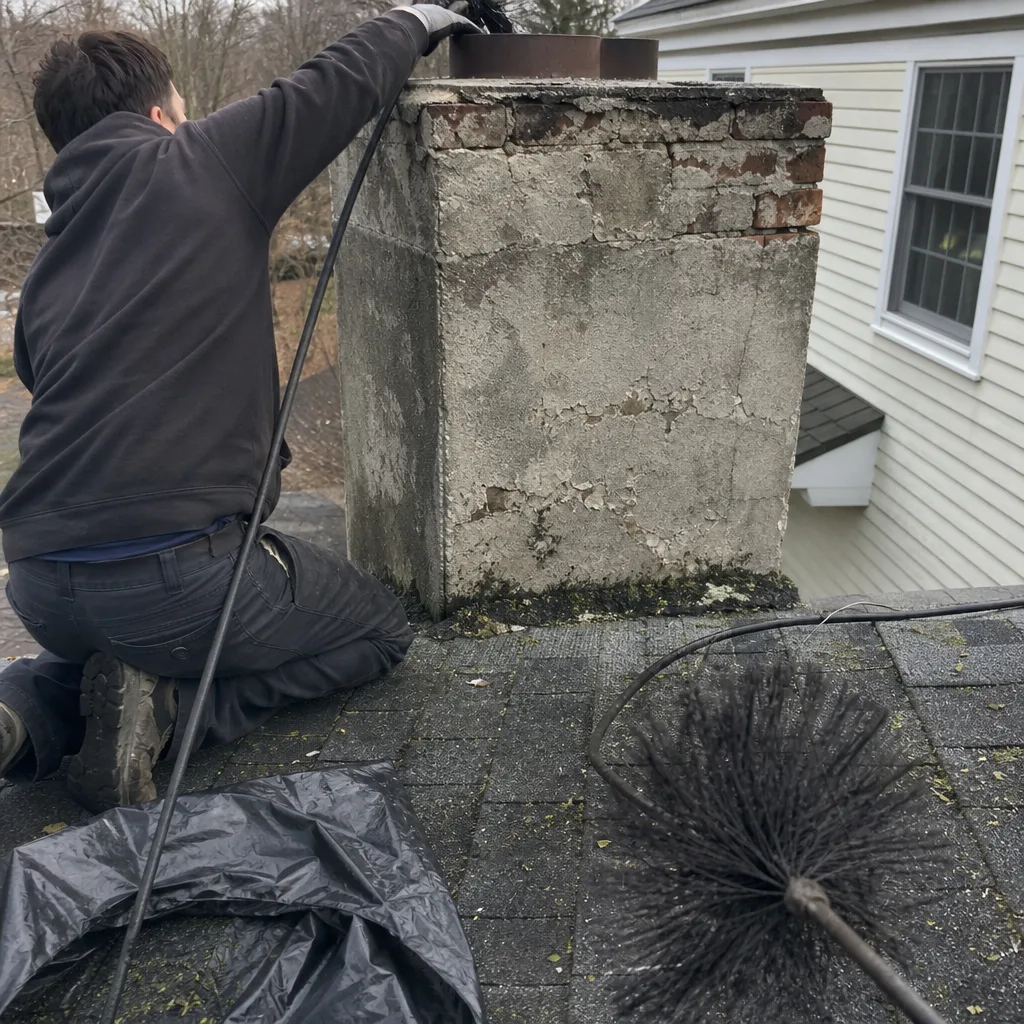 Before
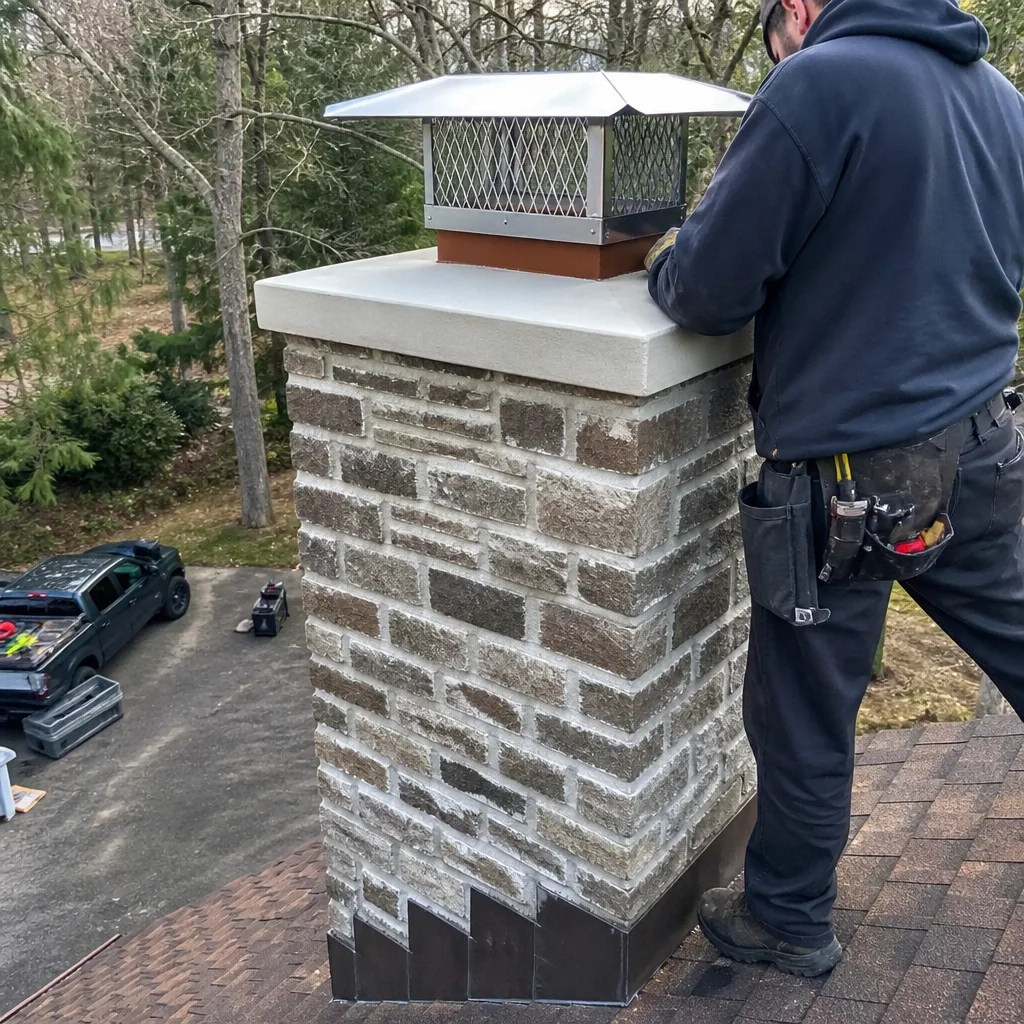 After
After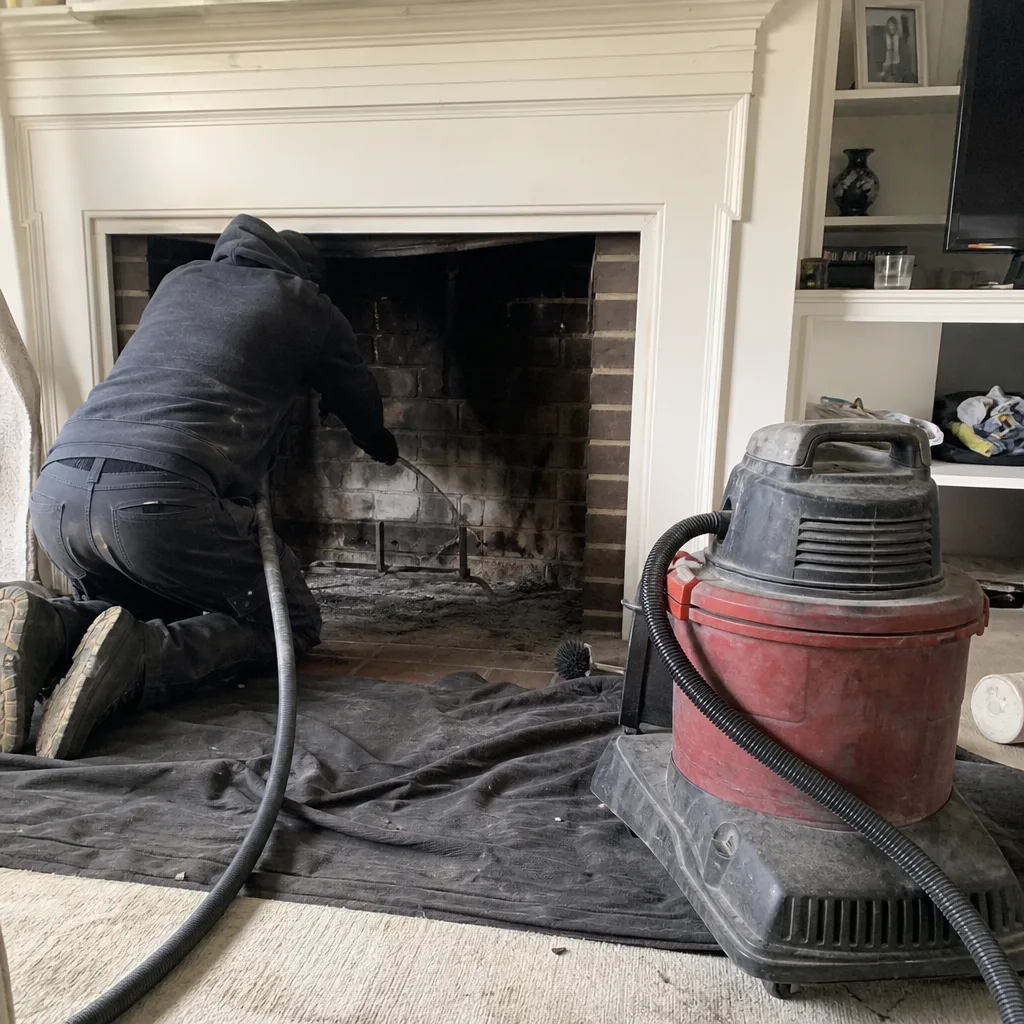 Before
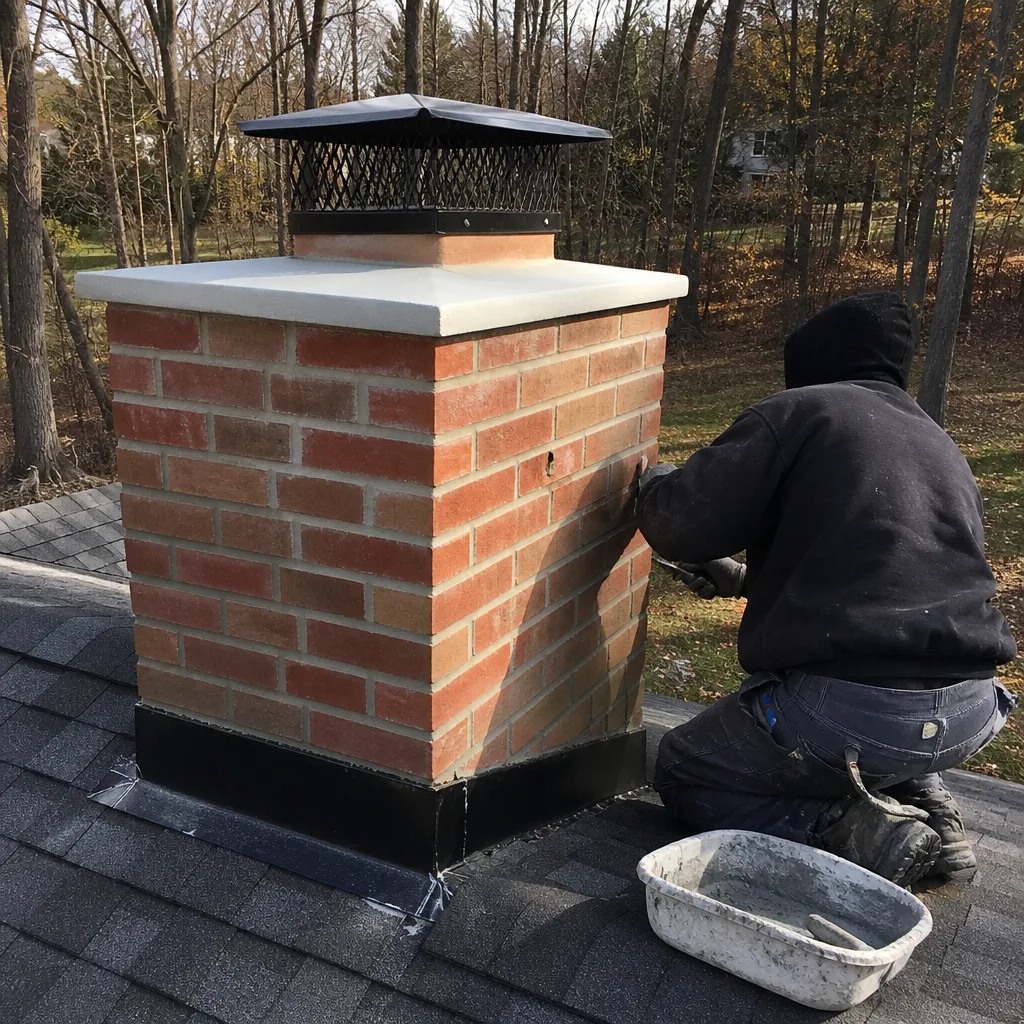 After
AfterSeasonal Chimney Cleaning Care for Westchester County: Year-Round Homeowner’s Guide
Most chimney guides tell you to call in September. By September, the moisture damage from a cracked crown or missing cap has been sitting in your flue since April. In Westchester County, where freeze-thaw cycles work on masonry from November through March and humid summers pull groundwater up through foundation walls, the chimney that gets checked only in fall is the chimney that needs a five-thousand-dollar rebuild by Thanksgiving. This guide reorders the calendar around what actually matters, and you can find more guides & resources on our blog. You’ll learn what to check each season, what genuinely needs a professional’s eye, what you can handle yourself, and what can safely wait. We’ve cleaned and repaired chimneys across Westchester County since 1999, and the pattern is always the same: the houses that avoid big bills are the ones inspected in spring.
Quick Answer
The most important chimney work in Westchester County happens in spring, not fall. A post-heating-season inspection in March or April catches creosote loading, cracked flue tiles, and water intrusion before summer humidity accelerates the damage, and it gives you months to schedule repairs on your timeline instead of scrambling in October. Sweep once a year regardless of how often you burn, inspect after every nor’easter, and never ignore water stains on the ceiling near the chimney chase-our Chimney Cleaning & Sweep Maintenance Checklist for Westchester County Homeowners covers the full routine.
Table of Contents
- Spring: The Inspection Season Most Homeowners Skip
- Summer: Moisture, Masonry, and Chimney Swifts
- Fall: The Honest Pre-Season Checklist
- Winter: Mid-Season Monitoring and Creosote Reading
- A Month-by-Month Reference for Westchester County
- What Seasonal Chimney Care Actually Costs in Westchester County
- Common Mistakes to Avoid
- When to Call a Professional
- Frequently Asked Questions
- The Bottom Line
Spring: The Inspection Season Most Homeowners Skip
March and April are the months when chimney damage in Westchester County starts compounding. A freezing season of nor’easter-driven rain followed by daytime thaws has stressed every crown, cap, and mortar joint on your roof. Then comes the real problem: humidity. The lower Hudson Valley sits in a moisture pocket that keeps relative humidity above seventy percent from late May through September. Any water that has already worked its way into your masonry now has perfect conditions to keep moving and keep freezing when temperatures dip again. Efflorescence, the white chalky bloom on exterior brick, appears quickly once warmer weather arrives. It’s not just cosmetic. It tells you water is moving through the masonry and carrying salts out with it. Left unchecked through summer, that water migration accelerates spalling, where brick faces pop off under internal pressure. In Westchester, we regularly see spring efflorescence turn into fall flaking that requires tuckpointing or partial rebuilds.
Post-heating-season inspection in March or April also catches liner damage before it becomes a six-month problem. Your flue liner spent all winter expanding and contracting under heat load. If it developed a crack in February, you don’t want to discover it when you light the first fire in October. A spring inspection means a spring repair, completed in warm weather when the crew can work efficiently, and you’ve avoided burning season entirely. Wendell and his crew run a camera up every flue we inspect. You see the footage yourself before any repair is recommended. Your flue doesn’t care how the fire looks. It cares how it breathes.
What to Check in Spring
- Exterior masonry from the ground. Walk the perimeter of your house in April and look for white staining, flaking brick faces, or missing mortar from the chimney above the roofline. Use binoculars if you have them. If you see anything, call before summer humidity locks it in.
- Chimney cap and crown. After a nor’easter, caps loosen and crowns crack. A visual check from the ground won’t show everything, but a tilted or missing cap is visible and needs attention.
- Water stains on interior ceilings or walls near the chimney chase. Brown rings, peeling paint, or a musty smell in the chase are signs water is already inside. Don’t wait. Water moving through a chimney in Westchester’s humid summer finds wet basements and moldy attics.
- Flue inspection. A professional sweep will check the liner with a camera. This is not a DIY check. A cracked flue tile inside a chimney is invisible from the ground and from the fireplace below. Once a year, burn or no burn.
Spring is also when the Chimney Repair in Westchester County schedule opens up. Repairs done in May cost no less, but they happen on your timeline, before the October panic, and before summer weather has a chance to worsen whatever has already started.
Summer: Moisture, Masonry, and Chimney Swifts
Summer in Westchester County is not chimney season in the traditional sense, but it’s when masonry does the most damage to itself. Heat expands brick and mortar. Humid air loads the pore structure with moisture. Then cooler nights contract the surface. Every cycle moves cracks a fraction of a millimeter wider. By August, a crown that was cracked in March has spiderwebbed. If you skipped the spring inspection, summer is your second and final chance to catch water intrusion before fall’s first freeze locks it into the wall. Snow, ice, and freezing water are what actually break masonry apart, but the fractures are born and spread in summer humidity.
This is also the season when waterproofing treatments, if appropriate, are best applied. A breathable siloxane-based water repellent can extend the life of sound masonry by years, but it will not fix a cracked crown, open mortar joints, or failed flashing. Waterproofing is the last step on a chimney that is already watertight, not a bandage for one that’s not. We tell homeowners this plainly because there are companies in Westchester that will sell you a waterproofing treatment and skip the repair underneath. Ask anyone on your street who has had to repoint masonry twice.
Chimney Swifts: What Westchester Homeowners Need to Know
If you hear a chittering sound from your chimney in May or June, you have chimney swifts. These small gray birds nest almost exclusively inside chimneys and are protected under the federal Migratory Bird Treaty Act. You cannot remove an active nest. You cannot disturb it. You cannot seal the chimney top while birds are present. The rule is hard and specific: an active swift nest is legally off-limits until the birds leave on their own, which in Westchester County typically happens by mid-August. Fines for disturbing an active nest start at thousands of dollars per bird. The practical answer for most homeowners is to wait them out, have the chimney swept after the birds depart, and then install a properly sized cap so they don’t return next year. The Top Hat Chimney home site has more on what we see season after season with swift nests in older Westchester and Putnam county chimneys. Every cap we install accounts for the swift problem because we’ve been dealing with it since 1999 and we know exactly how these birds pick their flues.
Summer is also a good time for Fireplace Services in Westchester County that are cosmetic or functional but not urgent. Hearth resurfacing, damper replacement, glass door installation, firebox refractory repair. These are warm-weather jobs. The better access and faster curing times in summer mean a better result.
Fall: The Honest Pre-Season Checklist
Fall is when every chimney company in Westchester County fills its schedule, and not all of what gets sold in September is necessary. By the time October arrives in towns like Chappaqua, Katonah, Bronxville, and the river towns up and down the Hudson Line, every homeowner who used their fireplace all winter is suddenly worried about whether they can burn again. This is real concern, but it also means people accept work they don’t need. We’ll tell you what actually needs doing before the first fire, and what can wait.
What Actually Needs Doing Before the First Fire
- Sweeping. If you haven’t swept since last spring, do it now. The interval between the last fire of one season and the first of the next is irrelevant. Creosote does not disappear over summer. It just gets drier and more flammable. Once a year, burn or no burn.
- A visible inspection. Check the firebox for cracked brick, the damper for smooth operation, and the chimney exterior for any visible changes since spring. A quick look catches a shifted cap or new crack from summer storms.
- Cap and crown check. Westchester County sees enough wind and tree debris that a missing spark arrestor or torn cap screen in September means leaves and animals in the flue before Thanksgiving. If you see any opening, get it covered.
- Creosote stage assessment. A sweep can tell you if this year’s accumulation is first-degree soot (a brush job) or second/third-degree glaze (a chemical treatment or mechanical removal). First-degree creosote is a brush job. Third-degree is a glaze: catch it early.
What Can Safely Wait Until After the Season
- Cosmetic repointing of exterior brick. If the mortar joints are weathered but the chimney is structurally sound and water hasn’t penetrated behind them, waiting until March is fine in most Westchester homes. The freeze-thaw damage those joints will see is already underway; a few more months won’t change the repair cost.
- Firebox refractory resurfacing. Small cracks in firebrick or refractory panels in the firebox are common after years of use. Unless the cracks are wide, deep, or located near the lintel, they can usually wait until spring. This is the kind of thing we tell homeowners because we’d rather earn your trust by telling you what doesn’t need doing.
- Liner replacement of a marginal but intact flue. If the camera footage shows wear but no breach, and the flue is still properly drafting, a replacement can be scheduled post-season unless you use the fireplace daily. During the season, this is often a Saturday-morning decision. After the season, it’s a scheduled Tuesday job at the same price, sometimes with better scheduling.
If you do nothing else in the fall, have the flue swept and inspected. The crew will give you the camera footage and a plain-English verdict, every time, no exceptions. There is no upsell requirement in our shop. Never has been.
Winter: Mid-Season Monitoring and Creosote Reading
Winter in Westchester County is when your chimney does its real work, and it’s also when you have the most direct feedback about how well it’s doing. After three or four weeks of regular burning, your firebox will start to show you things. A homeowner who learns to read the signs catches problems months before an inspector would on an annual visit.
The main thing to watch is creosote accumulation on the firebox walls and damper throat. After heavy use, a thin, flaky, brown residue on the firebox brick is normal and expected. It’s first-degree creosote. It brushes off. But if the residue turns thick, tarry, and glossy, that’s third-degree creosote. It’s a glaze that cannot be safely removed with a brush and it burns ferociously hot if ignited. A chimney fire fueled by glazed creosote can reach temperatures that crack liners and spread to framing. If you see black, shiny build-up accumulating faster than you’re comfortable with, stop burning and call. The camera will confirm what you’re seeing.
What Else to Watch in Winter
- Smoke backing up into the room. This can be a sign of a cold flue needing preheating, but it can also mean an obstructed flue, a failing damper, or negative pressure in a tightly sealed house. Persistent smoke is not normal. One call, and we’ll figure out which it is.
- Rumbling or popping sounds in the chimney. These are signs of a chimney fire in progress. Call 911 if you hear them, and have the flue inspected before the next burn.
- Water stains reappearing on the ceiling or wall near the fireplace after rain or heavy snow. You have active water intrusion. Winter is the worst time to repair flashing or a crown, but a temporary patch or tarp may slow the damage until a full repair is possible. Don’t ignore it until spring.
- Strong odor from the fireplace when not in use. In humid winter spells, absorbed creosote releases a sharp, acrid smell. It’s more common when snow sits on the cap and meltwater drips into a flue with first-stage creosote deposits. The fix is a sweep and a cap check.
Westchester County’s winter temperature swings are harder on chimneys than people realize. Nor’easter wind-driven snow hits caps at the exact angle that tears screens, and repeated freeze-thaw cycles act like a pry bar inside every mortar joint. Mid-season cap and crown checks are cheap insurance after a storm, especially in exposed ridgeline homes in northern Westchester.
A Month-by-Month Reference for Westchester County
Here’s how we think about the chimney year across Westchester County, based on the climate and the calls that come into our shop:
- January. Heavy burn month. Mid-season creosote checks if you burn daily. Watch firebox for glazing. After heavy snow, check the cap from the ground if visible.
- February. Peak of freeze-thaw cycling. Crown cracks widen with each storm-noon-thaw-overnight-freeze cycle. Interior water stain checks after every nor’easter.
- March. The transition month. Post-season inspection before humidity locks moisture in. Cap, crown, and flashing checks. Schedule repairs.
- April. Exterior masonry assessment. Efflorescence appears on brick if water got in during winter. Camera inspection of liner before summer.
- May. Ideal repair month. Warm, dry, good access. Liner replacements, crown rebuilds, tuckpointing all happen efficiently now.
- June. Chimney swift nesting begins. If you hear birds, don’t disturb. Wait them out and cap afterward. Verify dampers close completely to reduce humidity exchange.
- July. Summer heat and humidity stress masonry. Waterproofing applications for sound chimneys. Hearth and damper work.
- August. Swifts depart mid-month. Sweep after they leave. Install, repair, or replace caps. This is the last quiet window before the fall rush.
- September. Pre-season sweep season begins. Westchester homeowners get ready to burn. Book now if you skipped spring.
- October. First-fire readiness checks. Confirm damper operation, smoke draw, and cap condition. Fires light; creosote starts accumulating.
- November. Steady burn month. Weekly home checks for smoke, odor, water stains. Second-stage creosote appears in flues with heavy use and low-temperature fires.
- December. Holiday burn season. The fireplace works hardest. Mid-season cap check after winter storms. If you notice any pop, rumble, or smoke rollback, call before the next burn.
What Seasonal Chimney Care Actually Costs in Westchester County
Chimney cleaning and sweeping in Westchester County typically runs between $225 and $425 depending on the flue size, roof pitch, and whether the chimney has been neglected for several seasons; for full details, see our Chimney Cleaning Cost Breakdown: The Westchester County Homeowner’s Reference for 2026. Repair costs vary far more. A stainless liner replacement from a brand like DuraFlex or Olympia Chimney spans $3,500 to $8,000 depending on flue height and whether insulation is needed. A crown rebuild runs $900 to $2,200. Tuckpointing costs $15 to $28 per square foot of masonry. The key insight for budgeting is this: every dollar of water damage caught in spring is five to ten dollars of masonry repair avoided in fall. The flue doesn’t care how much traffic goes by your house. It cares whether water is entering above the firebox. Water is the multiplier. In our years of sweeping chimneys across Westchester County, from the Sound Shore up through the Croton watershed, the houses with the biggest bills are the ones where water had a full summer to work.
| Service | Typical Range in Westchester County |
|---|---|
| Chimney sweep and inspection | $225 – $425 |
| Camera inspection (standalone or included) | $125 – $250 |
| Chimney cap replacement (galvanized/stainless) | $250 – $750 |
| Crown rebuild | $900 – $2,200 |
| Stainless liner (e.g., DuraFlex, Olympia) | $3,500 – $8,000 |
| Tuckpointing (per sq ft) | $15 – $28 |
| Firebox refractory repair | $350 – $1,500 |
These are ballpark figures. Every chimney sits on a unique roof, and roof pitch, accessibility, and liner configuration all change the number. To get an exact price, call us at (914) 537-6479. The number you hear on the phone is the number on the invoice before we arrive, and before any tool comes off the truck.
Common Mistakes to Avoid
- Only sweeping in the fall. By September, moisture that entered in March has had six months of summer humidity to migrate through the masonry. The spring inspection exists to prevent this. A fall-only schedule pushes every repair into the busiest, most expensive season.
- Ignoring efflorescence. White chalky deposits on exterior chimney brick in Westchester County are not normal weathering. They are the visible sign of active water migration. Waiting through one more winter converts a $600 tuckpointing job into a $3,000+ spalling repair.
- Disturbing chimney swifts. Federal law protects active swift nests. Trying to smoke out, remove, or seal off nesting swifts in May through July is a criminal offense with per-bird fines. Wait until August and install a cap.
- Sealing a chimney with waterproof paint or masonry sealer. These products trap water inside the masonry and cause worse freeze-thaw damage than no treatment at all. The only safe waterproofing is a breathable siloxane product on sound masonry, applied by someone who understands Westchester’s humidity profile.
- Burning heavy in January without a mid-season check. A chimney that was clean in October can carry a dangerous creosote load by February if the fires have been slow and smoky. Read the firebox. Glossy black deposits mean stop burning and schedule a sweep.
- Skipping the cap inspection after nor’easters. Westchester sits in the path of nor’easters that tear off caps and screens. A missing cap between storms means leaves, rain, and animals in the flue before the next burn. Check from the ground monthly in storm season.
- Trusting a phone quote without an inspection. This is the classic Westchester County complaint we hear. A company quotes $179 over the phone, arrives, and declares the liner “unsafe” within thirty seconds of arriving. A legitimate chimney sweep cannot quote a repair without looking. Any price given before the person has been on the roof is a sales script, not a quote. We give upfront pricing before work begins, but the first number you get after an inspection is the only number that matters. If you have a written estimate from anyone else, we’ll give you a free second opinion on it.
When to Call a Professional
You should call a professional whenever you see water stains on ceilings or walls near the chimney chase, whenever smoke backs into the room during normal burning, whenever you notice white efflorescence or missing mortar on exterior brick, and whenever the firebox shows thick or glossy creosote, as explained in our guide to Chimney Cleaning Permits, Codes & Inspections in NY: What You Need to Know. You should also call after any nor’easter that moved visibly large tree limbs or blew shingles off nearby roofs, because caps and crowns take the same wind. If you have chimney swifts, wait until August and then call to have the flue swept and capped. And if you hear any popping or rumbling sound from the chimney during a fire, stop burning and call us that day.
Top Hat Chimney offers free estimates in Westchester County. Call (914) 537-6479 and a live person will answer, around the clock, and it may well be Wendell himself picking up.
Frequently Asked Questions
Once a year, regardless of how much you burn. Chimneys break in the off-season too. Even if you only burned a handful of fires, animals, water, and humidity have been working on the flue during the months between. The camera footage tells you what’s going on. Call (914) 537-6479 to schedule a sweep and inspection.
You need a new liner if the camera footage shows a crack, gap, or spalled tile surface in the flue, even if the liner looks fine from the firebox. Liners in Westchester County fail from freeze-thaw stress and internal heat cycling. The outside of the flue is invisible; the inside is where the failure happens. We never recommend a liner replacement without showing you the footage first. If you have a written estimate from anyone else, get a free second opinion from Top Hat Chimney.
Skipping a year gives creosote time to dry, concentrate, and form second- or third-degree glazing that a standard brush can’t remove. It also gives any water intrusion a full year to expand through freeze-thaw cycles. A chimney that was mildly dirty becomes a hazard not because of the soot, but because of what the soot hides. Call (914) 537-6479 to schedule a sweep before it compounds.
You can brush a first-degree creosote flue from the top if you are comfortable on a roof and the pitch is safe, but a brush from the hardware store will not remove glazed creosote, and it will not reveal a cracked liner. The cleaning is only half the reason for an annual sweep. The inspection is the other half. A professional camera inspection is the only way to catch liner damage before it becomes a fire or carbon monoxide problem. Roof work is dangerous, and chimney work on a steep Westchester roof is especially so. Let a trained professional do it.
Summer chimney odor in Westchester County is usually creosote absorbing humidity and releasing volatile compounds. It’s worse when a chimney lacks a proper cap or the damper doesn’t seal completely. The fix is a thorough sweep, a cap check, and sometimes a top-sealing damper. We install caps and dampers that stop the odor permanently. Call (914) 537-6479 for a free estimate.
May is the best month for most repairs in Westchester County. The weather is warm and dry, the crew can work efficiently, and the masonry is not mid-freeze-thaw cycle. Fall is the worst time for scheduling because every company is booked. Start with a spring inspection and schedule repairs during the May window. Top Hat Chimney offers free estimates year-round, and no trip charge inside the county.
The Bottom Line
Seasonal chimney care in Westchester County is a year-round job, but the most important season is the one most people skip. Spring inspection catches the water damage that summer humidity will lock in and fall freezes will split open. Sweep once a year, read your firebox in winter, protect the cap and crown after every nor’easter, and respect the chimney swifts in June. The flue doesn’t care how the fire looks. It cares how it breathes. If you follow the calendar in this guide, the chimney on your Westchester County home will cost you less over the next decade than the chimney of the neighbor who waits until September. And if you ever have a question, call (914) 537-6479. A live person answers, and it’s usually Wendell.
Written by Wendell Pike, Owner at Top Hat Chimney, serving Westchester County since 1999.