
Last updated September 10, 2026
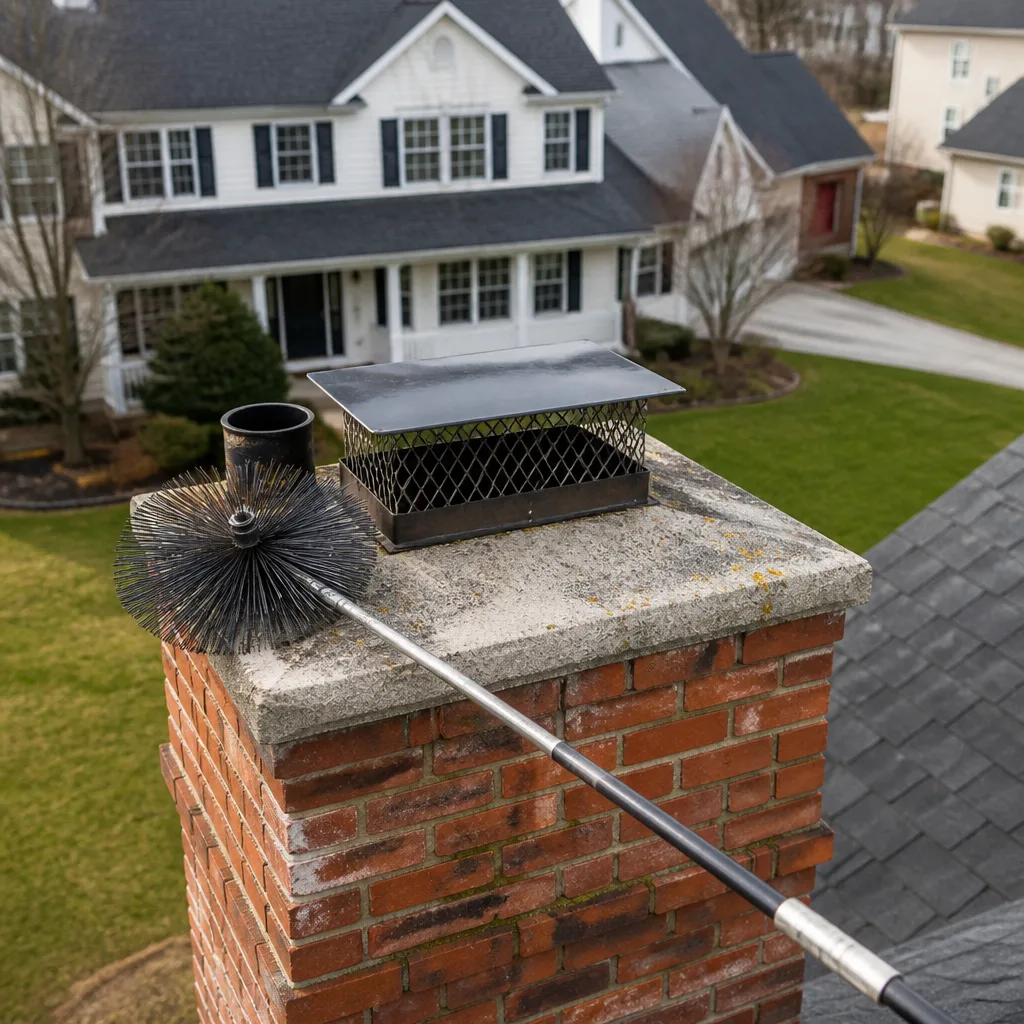
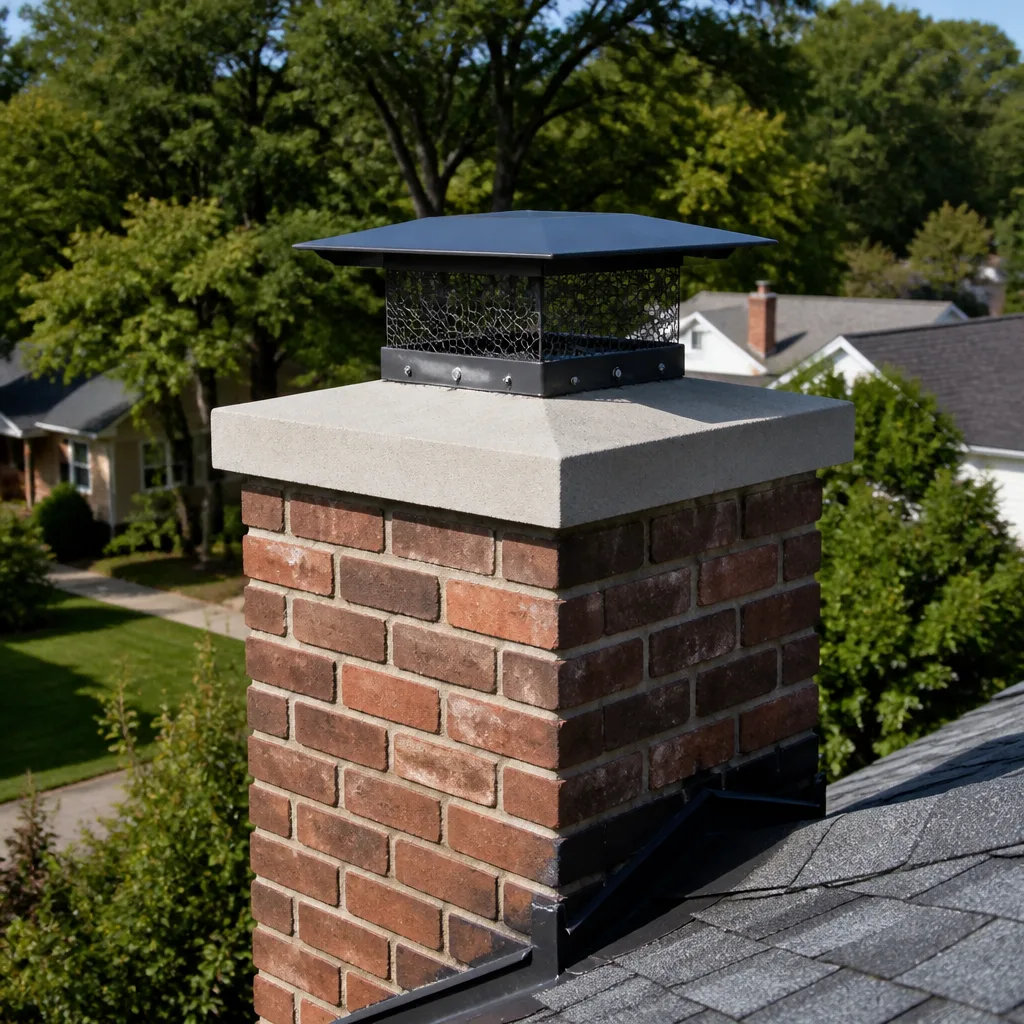
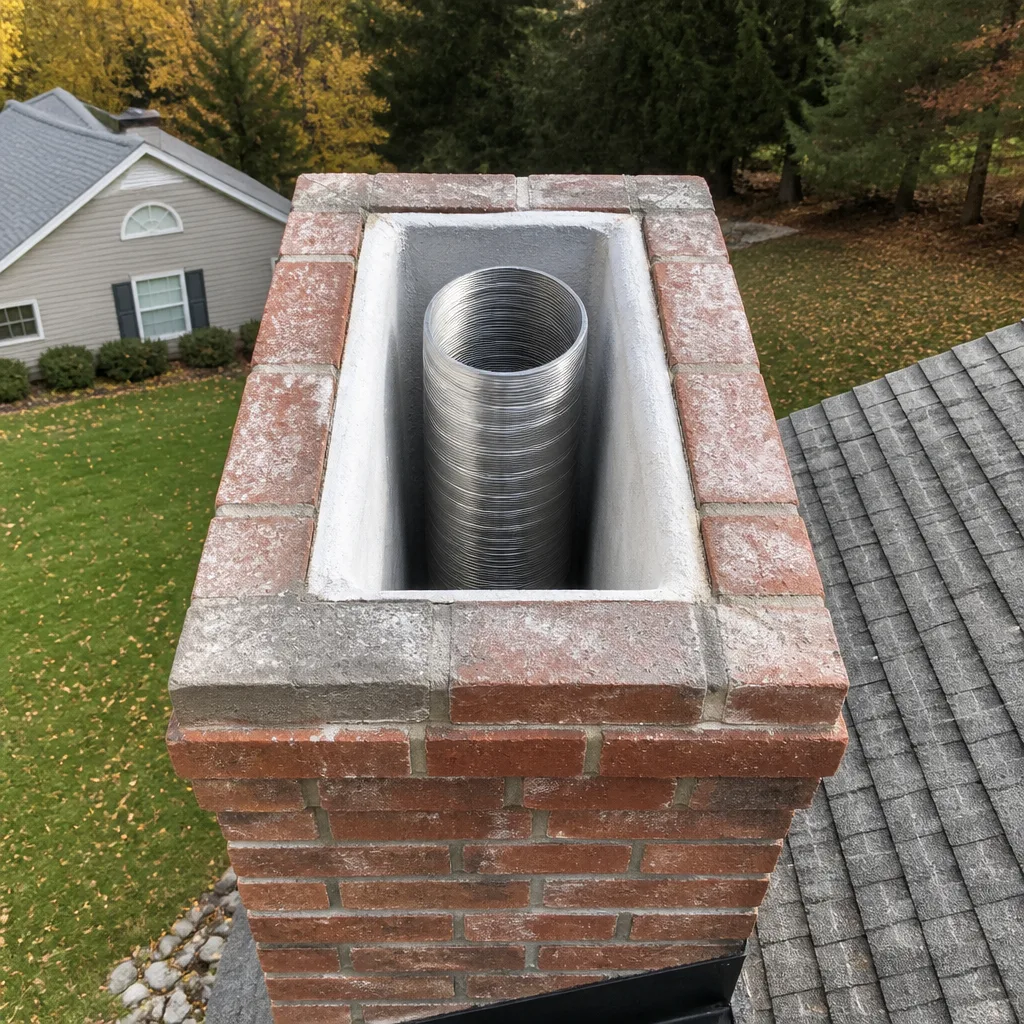
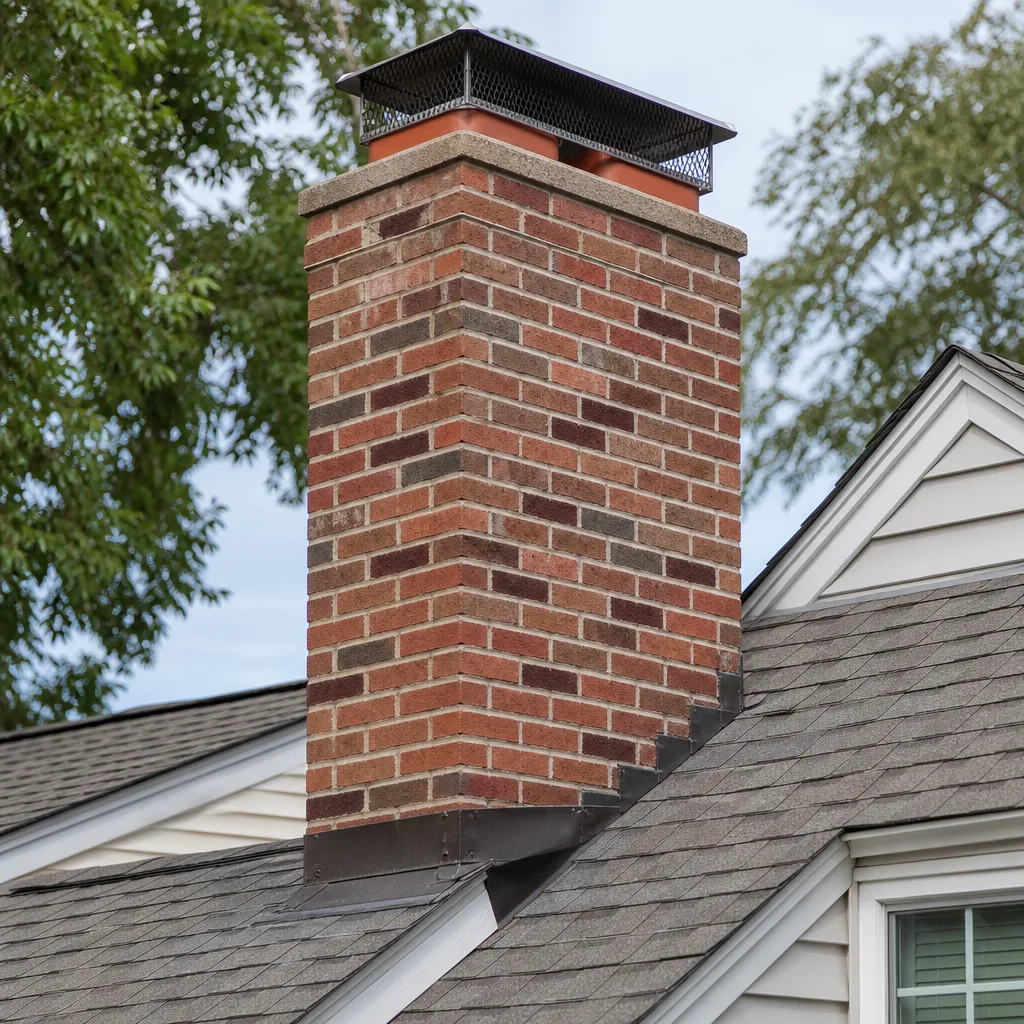
Level 1 sweep and inspection to the NFPA 211 annual standard - flue, crown, cap, and flashing checked and photographed
Chimney sweep logs do not sweep chimneys. They loosen some creosote - which then falls where a brush and vacuum still have to collect it.
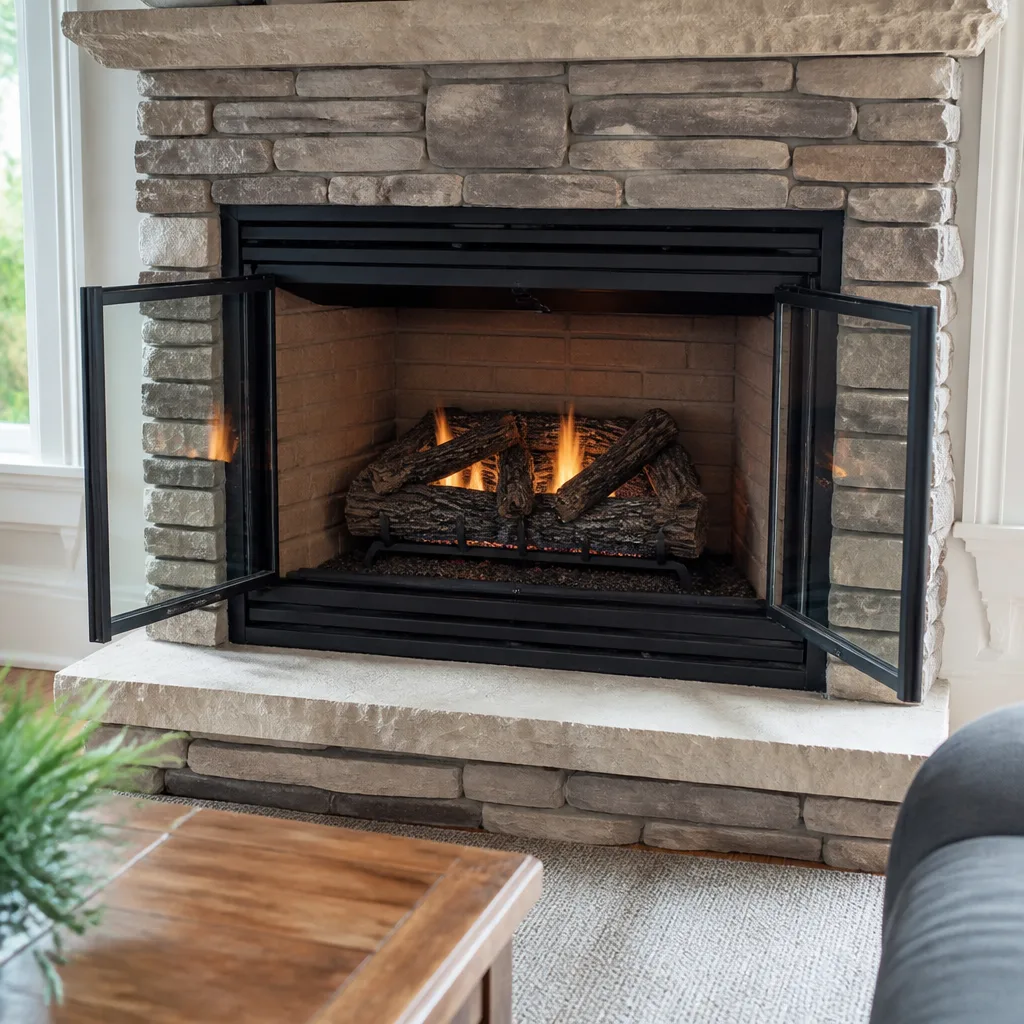
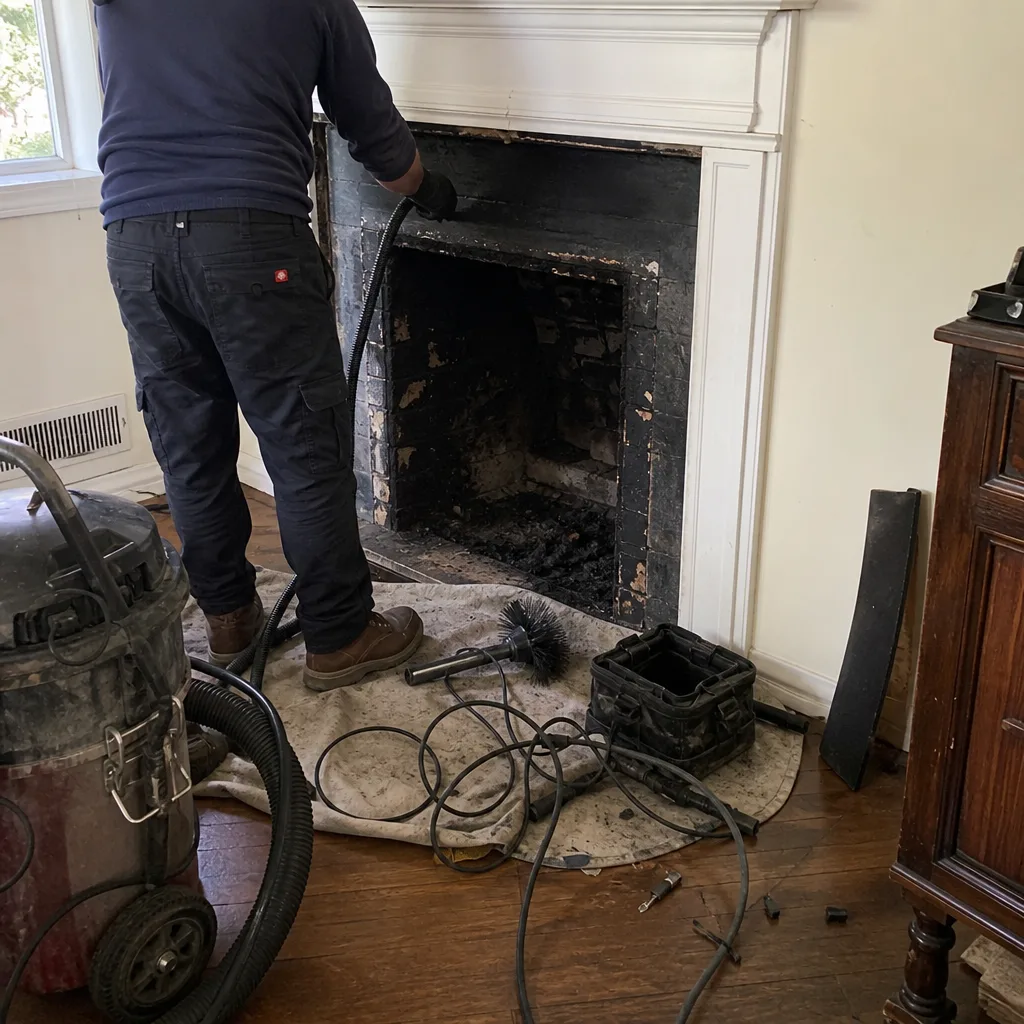 Before
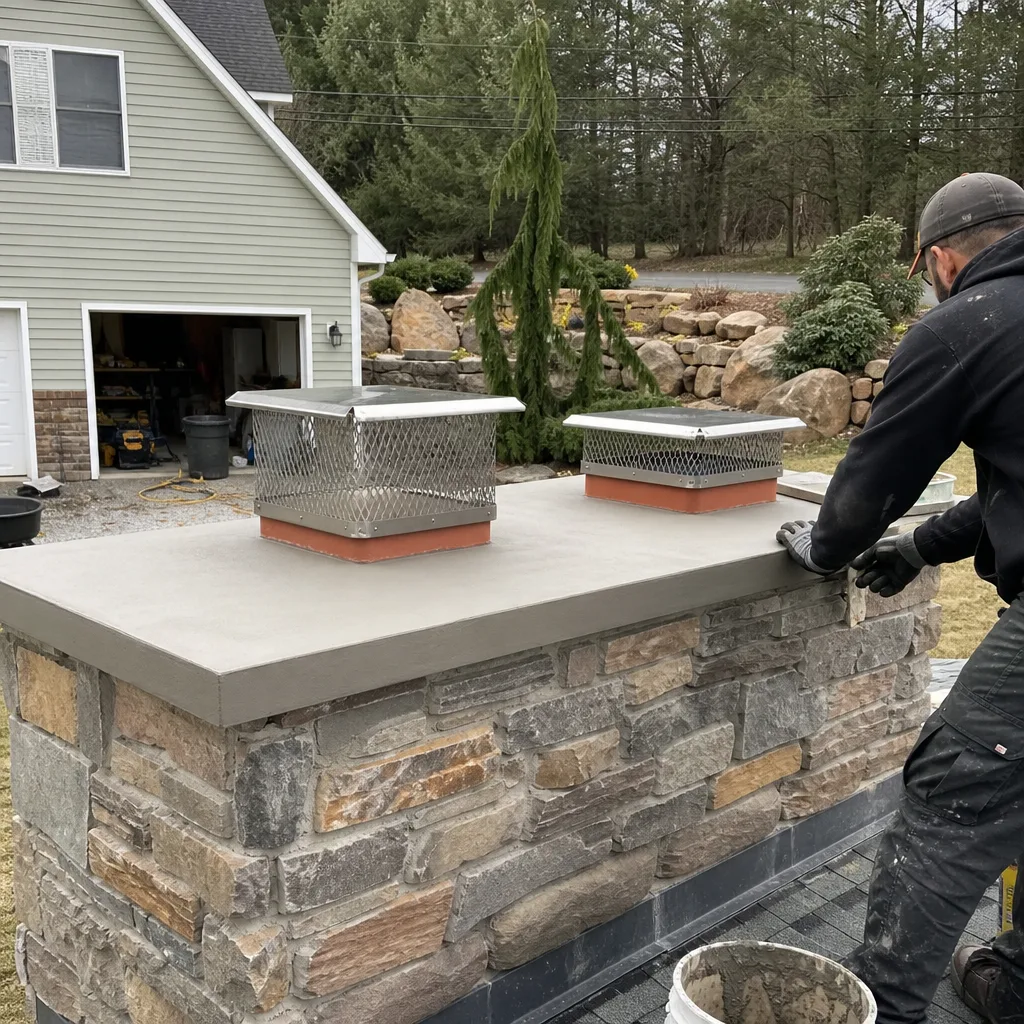 After
After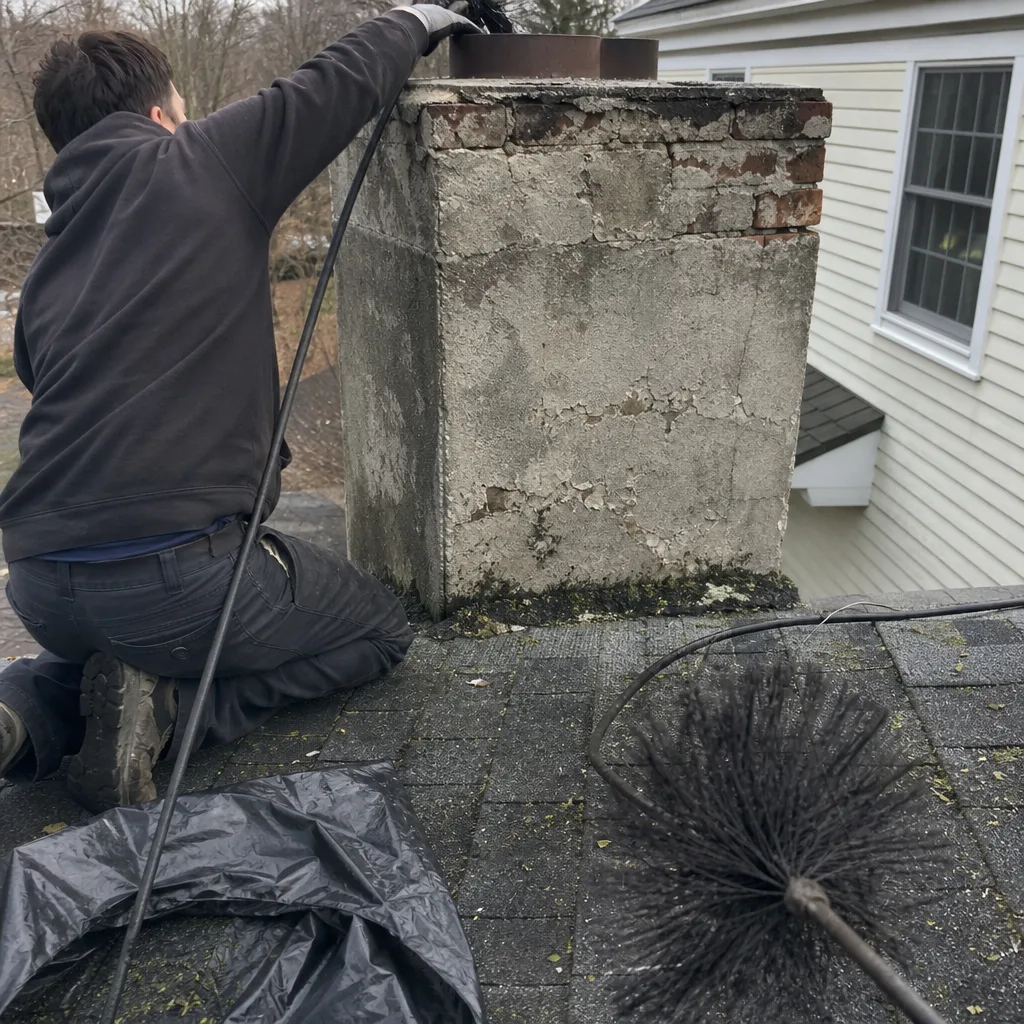 Before
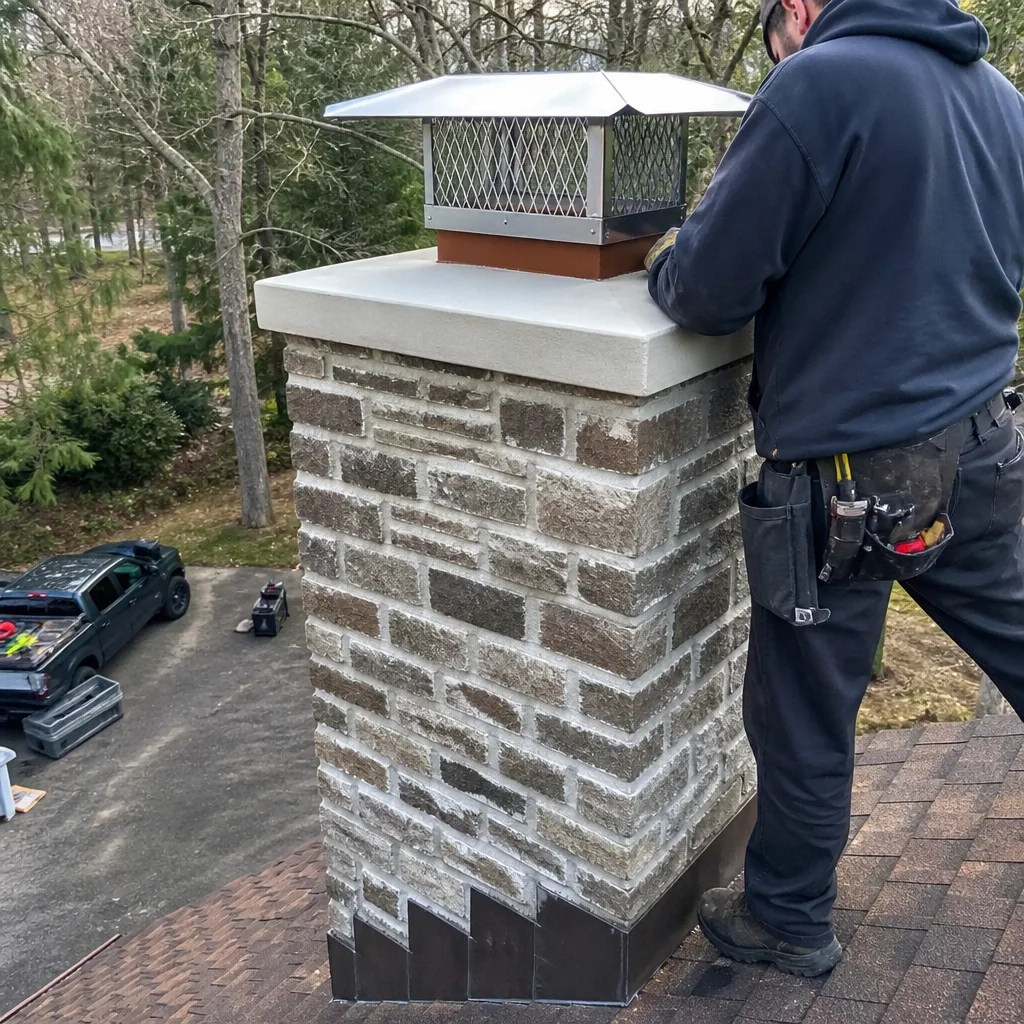 After
After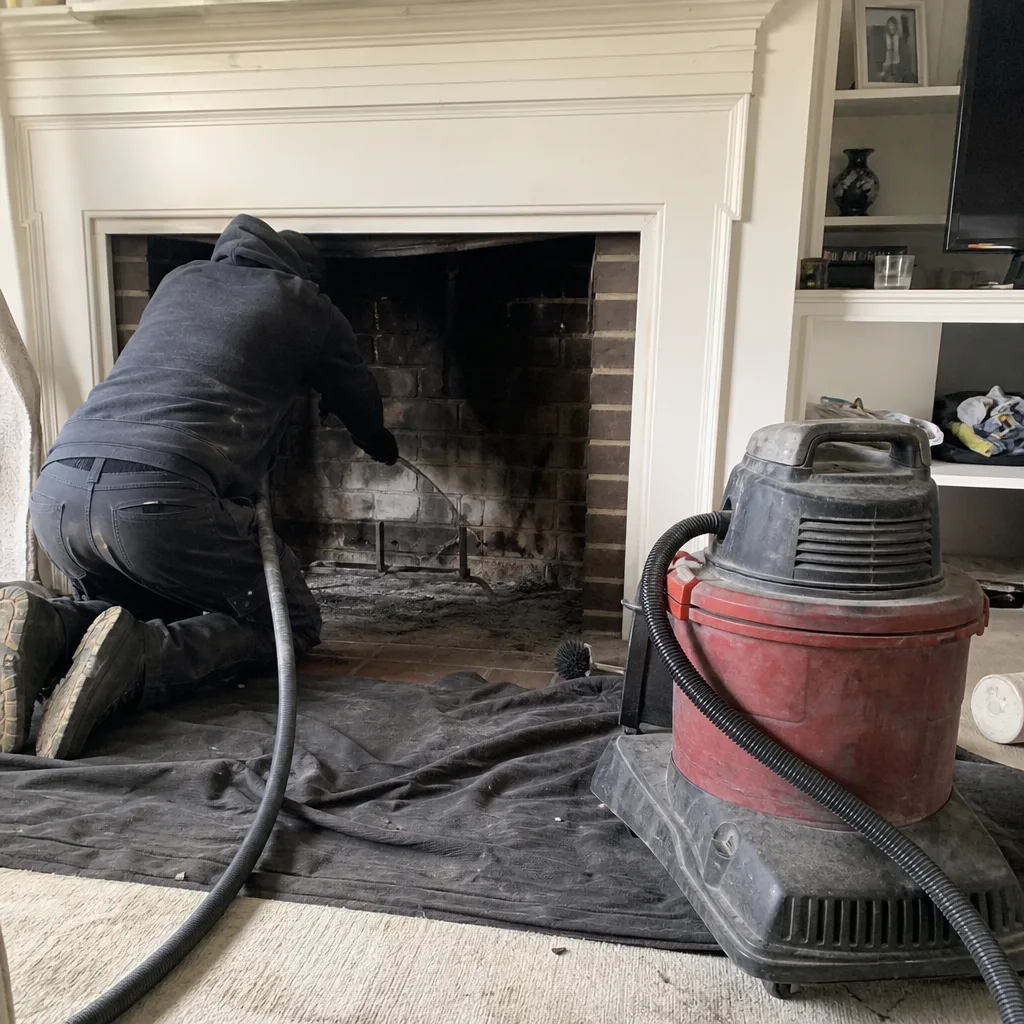 Before
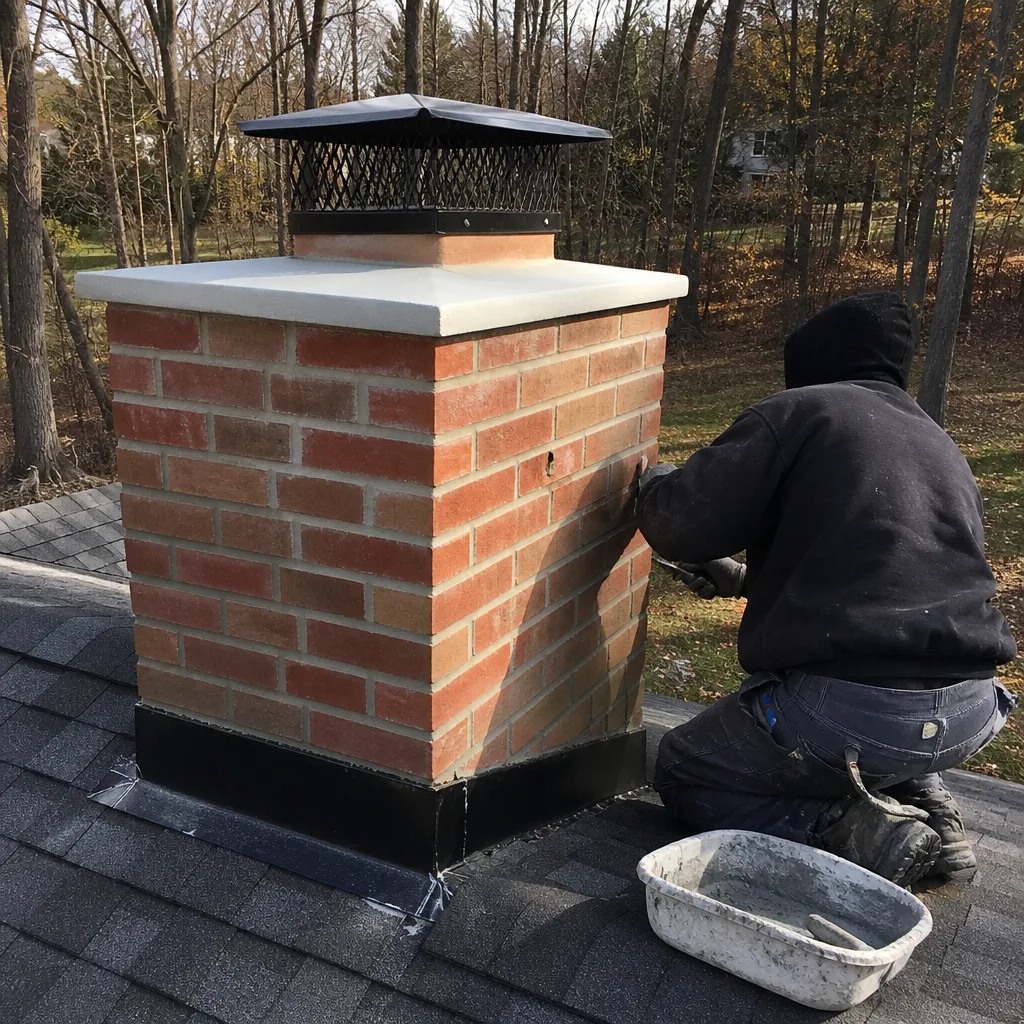 After
AfterChimney Cleaning & Sweep Maintenance Checklist for Westchester County Homeowners
You don’t need to climb on the roof to catch 80% of the warning signs. Most of the clues are sitting right in your firebox, and most homeowners walk past them every winter. In Westchester County, where chimneys take a beating from freeze-thaw cycles, nor’easters, and late-season burn habits, a maintenance checklist only earns its keep if it tells you what to look for yourself between professional visits. This guide is built around what you can actually see, smell, and hear from inside the house. You’ll learn the 15-minute interior inspection we’d do before touching a ladder, the damper sounds that mean trouble, and the specific Westchester conditions that age a chimney faster than the calendar does. For Chimney Cleaning Warning Signs: A Westchester County Homeowner’s Reference Guide, see our companion post.
Quick Answer
Chimney cleaning and maintenance in Westchester County comes down to three things: a visual check of the firebox and damper twice a year, a professional sweep at least once annually (more often if you burn more than a cord), and immediate attention to any odor, staining, or unusual sound. Most serious chimney problems announce themselves weeks before they become dangerous. The hard part isn’t spotting them, it’s knowing what you’re looking at.
Table of Contents
- The 15-Minute Interior Check You Can Do Without a Ladder
- What Your Damper Is Trying to Tell You
- Spotting Stage-One Creosote Before It Becomes a Glaze
- Westchester-Specific Wear: Freeze-Thaw, Ice Damming, and Nesting Season
- Handle It Yourself vs. Call a Sweep Before the Next Fire
- A Seasonal Maintenance Schedule That Matches How Westchester Actually Burns
- Sounds and Smells That Should Stop You From Lighting the Next Fire
- Common Mistakes to Avoid
- When to Call a Professional
- Frequently Asked Questions
- The Bottom Line
The 15-Minute Interior Check You Can Do Without a Ladder
Before you read another word about chimney maintenance, do this: walk to your fireplace, open the glass doors or pull the screen, and look. Not a glance, a real look. This is the same check Wendell does at the start of every chimney cleaning in Westchester County, and it’s the part of the job that tells us more than anything we find on the roof.
Here’s the sequence, room by room, in order:
- Firebox floor: Shine a flashlight at the floor of the firebox. You’re looking for three things: flaking brick, white staining that wasn’t there in October, and more than a thin dusting of dark debris. Each means something different, and none of them require a pro to notice.
- Firebox walls and back wall: Look for brick that has changed color, especially any dark, glossy patches. That’s creosote. If it looks wet but it’s dry to the touch, you’ve got a glaze forming. More on that below.
- Throat of the chimney: This is the opening just above the damper where smoke leaves the firebox. Tilt your head back and look up with the flashlight. You’re checking for any visible narrowing, debris hanging down, or a dark coating that extends past the damper frame.
- Damper plate: Does it open and close smoothly, or does it grind? Flip it full-open and full-closed twice. Listen. Feel. A healthy damper moves without scraping metal-on-metal noise.
- Hearth and surround: Standing back, look at the line where the hearth meets the floor. Cracks there are common and usually cosmetic, but if you can slide a dime into the gap, it’s worth a call.
- Room walls near the chimney: Walk to each wall that touches the chimney chase. Put your hand flat against the drywall. Unusual warmth when there’s no fire going, or any brownish discoloration, is a signal to stop reading and make a phone call.
- Basement or utility room below the fireplace: This is the step everyone skips. Look up at the ceiling directly under the firebox. Water stains, white mineral streaks, or a musty smell that gets stronger after rain are signs the chimney’s masonry or flashing is failing lower than the roof line.
That’s the whole check. Fifteen minutes, no ladder, no special tools. We recommend doing it twice a year: once in late September before the first fire, and once in early April after the last. In Westchester County, those two windows bracket the season when your chimney works hardest and the season when freeze-thaw damage announces itself.
What Your Damper Is Trying to Tell You
Your damper is the only moving part in your chimney you can touch without leaving the house. It’s also the part most likely to tell you something useful long before a sweep arrives. Most homeowners flip it open and closed once a season and never think about it again. That’s a mistake, because the damper experiences every draft, every backpuff, and every degree of heat your chimney does.
A healthy damper should move with mild resistance. You should feel it bite and release at the top and bottom of its travel. It should not screech, grind, or need to be forced. If you have to put your shoulder into it, something is wrong.
Here are the specific sounds and what they mean:
- A metal-on-metal grinding sound: The plate is rusting at the hinge points, or the frame has warped from heat. Both accelerate once they start. A grinding damper will eventually seize in the open position, which means heat and cold air moving through your flue 24/7, 365 days a year.
- A high-pitched squeal or scraping: The plate has shifted in its frame and is dragging against one side. This usually means the damper frame itself has warped, often from a very hot fire sometime in the past.
- No sound at all and no resistance: The plate has broken off its hinge or the chain/cable has disconnected. You now have zero control over drafting. This is one of the few damper issues that should stop you from building a fire until it’s fixed.
- A clunking or rattling when the wind blows: The plate is loose in its frame. It’s not sealed, and every time the wind shifts in Westchester County, you’re losing conditioned air up the flue and pulling outdoor air into the house.
Damper replacement or repair is not a job we tell homeowners to attempt. The plate sits directly in the hottest part of the firebox, and a bad install means poor drafting or a stack effect that pulls smoke back into the living room. But the check is free, takes thirty seconds, and tells you a lot about how the last few winters treated your chimney.
Spotting Stage-One Creosote Before It Becomes a Glaze
Creosote doesn’t start as the hard, glossy glaze you see in chimney fire articles. It starts as a soft, flaky dust that brushes away with a fingertip. That’s first-degree creosote, and it’s rarely a problem on its own. The problem is what it becomes if neglected.
Here’s how to check, using only a flashlight:
- Open the firebox doors or screen and let the firebox cool completely if you’ve burned within the last 24 hours.
- Shine the flashlight at the side walls of the firebox, just above the fire line, then move upward toward the throat.
- Look at the texture. Soft, flaky, dark dust that looks like black soot and brushes off easily? That’s first-degree. It’s normal after a season of burning and it’s what a routine chimney cleaning and sweep removes.
- Now look for patches that appear wet but feel dry. That’s the earliest sign of second-degree creosote: the flaky stage has started to harden and bond with the flue wall.
- Look for dark, glossy areas that reflect the flashlight beam. That’s third-degree, or glaze. It’s a hard, tar-like coating that cures to a porcelain finish and will not come off with a brush. Glaze requires mechanical removal with specialized tools, or use of a product like the line from Gelco that’s built for glaze removal.
Here’s the plain truth: first-degree creosote is a brush job. Third-degree is a glaze. Catch it early and it’s an hour of work. Let it harden and it’s a completely different conversation. That’s why we tell Westchester County homeowners to check the firebox walls every time they clean out ashes. You don’t need to know the exact degree. You need to know if it’s flaky or glassy. Flaky is normal. Glassy is a call.
One more thing: if you’ve been burning unseasoned wood, creosote builds faster. Wood that hasn’t dried properly smolders at a lower temperature, and the smoke condenses on the flue walls faster than it exits. If you’re buying “seasoned” wood from a roadside pile in Westchester County in October, assume it’s not seasoned. Cut it, split it, and stack it yourself the spring before you plan to burn it.
Westchester-Specific Wear: Freeze-Thaw, Ice Damming, and Nesting Season
Chimneys age differently in Westchester County than they do in most of the country. It’s not just the cold. It’s the pattern: freezing nights, thawing afternoons, wet snow, and a warm spell that follows a hard freeze. That cycle is what destroys brick, not the temperature itself.
Here’s what we see, in order of frequency, in the communities we serve from Yonkers up through Mount Kisco and over to the Sound shore:
Freeze-Thaw Spalling on Older Brick
Water gets into the tiny pores in the brick face during a rain or snow melt. When the temperature drops below freezing, that water expands by about nine percent. Over a few years of this cycle, the brick face starts to pop off in thin layers. That’s spalling, and it’s the most common structural problem we find on Westchester County chimneys built before 1980. You’ll see it from the ground as thin, flaky brick chips on the roof, the porch, or in the garden bed directly below the chimney. The fix usually involves rebuilding the damaged section and applying an appropriate masonry treatment, but it’s a repair you want done before the damage reaches the flue liner.
Ice Damming Near the Chimney Cap
After a nor’easter drops wet snow followed by a freeze, ice builds around the chimney cap, the chase cover, and the upper flue tile. As it expands, it can crack the crown, loosen the cap, or displace mortar joints. We see this every February. The cap is designed to keep animals and water out, but it can’t do its job if ice has shifted it. If you can safely see your cap from the ground, check it after each winter storm cycle. If it’s tilted, it’s letting water in.
Animal Nesting Season Timing
Squirrels nest in chimneys in the spring and fall. Raccoons prefer the spring. Birds, especially starlings and chimney swifts, nest from mid-spring through mid-summer. In Westchester County, the window to get a cap installed or repaired is winter, before nesting begins. Once a nest is active, we won’t remove it until the young have left. It’s not just a courtesy; it’s state law. If you’ve heard scratching, chattering, or flapping from your chimney in the last six months, plan to address it before next spring.
Dampers That Stick After Humid Summers
Westchester County summers are wet. That humidity rises, sits in the flue, and rusts damper hardware. By October, we see dampers that have seized shut or are grinding against a rusty frame. If your damper suddenly feels stiffer this fall than it felt in March, that’s the mechanism failing.
All of these are Westchester issues, not generic chimney issues. The checklist works because it’s built for the place you actually live.
Handle It Yourself vs. Call a Sweep Before the Next Fire
We’re going to be direct here, because this is where homeowners get either overconfident or unnecessarily nervous. There are things you should handle, and things you should not. No gray area.
Handle This Yourself:
- Ash removal: When ash builds to two inches, shovel it out with a metal scoop into a metal bucket. Wet the bucket contents before disposal. Leave a thin ash bed of about half an inch; it insulates the firebox floor and helps with drafting.
- Firebox visual checks: The 15-minute interior check described above costs nothing and catches most problems early.
- Glass door cleaning: A half-and-half mix of water and white vinegar on a cool door works on most soot film. Do not use razor blades or abrasive pads; you’ll etch the glass permanently.
- Hearth crack monitoring: Mark the end of a crack with a pencil, note the date, and check it monthly. If the crack grows, call. If it doesn’t, it’s likely cosmetic.
- Wood moisture testing: A $30 moisture meter from any hardware store tells you if your firewood is actually dry. You want 15-20% moisture. Over 25% and you’re making creosote faster than you’re making heat.
Call a Sweep Before the Next Fire If You See This:
- Glassy or glazed creosote anywhere in the firebox throat or visible flue.
- White or brown staining on the chimney exterior or on the walls near the fireplace.
- A damper that grinds, sticks, or moves without resistance.
- Brick chips or mortar dust on the roof or at the base of the chimney.
- Any smell of wet soot in the house after rain, or a persistent campfire-like odor even with no fire going.
- You heard animals in the chimney at any point in the last two seasons.
- You had a chimney fire you didn’t report. Even a small one. It changes the flue liner. It changes the smoke chamber. It changes everything. Someone needs to look.
We’ve said this before and we’ll keep saying it: your flue doesn’t care how the fire looks. It cares how it breathes. The fire can be beautiful and the flue can still be a problem. Trust the checklist, not the ambience.
A Seasonal Maintenance Schedule That Matches How Westchester Actually Burns
Generic advice says “have your chimney swept every year.” Fine. But Westchester County burn patterns aren’t generic. You light the first fire in October because the house gets cold at night. You burn heavily through February. You keep a small fire going on rainy spring weekends because the damp makes the house feel colder than it is. Then you’re done until the first cold snap next fall. That pattern dictates your maintenance schedule.
Here’s the seasonal rhythm we recommend for Westchester County homeowners:
September (Before First Burn)
- Do the full 15-minute interior check described above.
- Check the damper: full open, full closed, listen for grinding, check resistance.
- Check your wood supply for moisture. If you bought wood this spring and stacked it properly, it should be ready. If you’re buying now, it isn’t ready, and you’ll make creosote all season no matter what you do.
- Look at the chimney from the ground. Cap tilted? Brick flaking around the upper courses? Stains that weren’t there last year?
- If anything fails the check, call before you light the first fire, not after.
November through February (Burn Season)
- Every time you clean out ashes (every 5-7 burns), shine the flashlight at the firebox walls and throat.
- Sniff the air near the fireplace on days between fires. A wet soot smell or a sharp, acrid smell that wasn’t there in October means something changed.
- Listen to the flue on windy days when no fire is burning. Rattling, hooting, or whistling means the cap, the liner, or the damper has shifted.
- After each nor’easter or heavy ice event, do a quick ground-level check for fallen brick chips, tilted cap, or new staining.
March through April (Shoulder Season and Shut-Down)
- After your last fire of the season, do the full interior check again. Note any change from September.
- When the weather breaks, schedule the annual sweep. The flue has a full season of creosote in it, and the sooner it’s cleaned, the sooner you know what condition the liner is in. This is also the cheapest time to schedule, before the fall rush.
- If you saw any staining, spalling, or cap issues during the winter, book the repair now. Masonry work can’t be done in freezing temperatures, and Westchester County’s warm season is short enough that waiting until September can mean another winter with a compromised chimney.
May through August (Off-Season)
- This is when chimney work gets done. Repairs, rebuilds, liner replacements, cap installations. If you identified a problem in the winter, get it fixed now. Chimneys break in the off-season too.
- Check for nesting. Squirrels and birds move in during spring and early summer. If you hear scratching in May, it’s squirrels. If you hear flapping in June, it’s birds. Either way, get a cap on before the next nesting cycle.
- Stack next year’s wood off the ground, covered on top but open on the sides, in full sun. Westchester County humidity will stall the drying process if the stack is against the house or in the shade.
The schedule isn’t hard to follow because it matches the seasons you already live with. September and March for checks. Winter for watching. Summer for fixing. Once a year, burn or no burn.
Sounds and Smells That Should Stop You From Lighting the Next Fire
Most chimney problems announce themselves before they become emergencies. The problem is that we write off the signals as old-house quirks. A house makes noise. A chimney makes noise too, but it’s not random, and it’s not harmless. Here’s a quick field guide to what you should take seriously in Westchester County.
Smells:
- Wet soot or damp campfire smell after rain: Water is getting into the flue, probably through a cracked crown or a missing cap. The wet soot smell is creosote being saturated. It won’t dry out on its own.
- A sharp, acrid smell in summer: This is the classic animal nesting smell, sometimes mixed with the odor of what they’ve been eating. Once you’ve smelled it, you don’t forget it. If you smell this in July, you have a nest, not a fire hazard. But it needs to come out before burning season.
- Smoky smell in rooms on the second floor when a fire is going: This usually means the flue is drafting but losing smoke through a gap in the liner, or the damper is partially open. It’s not just unpleasant; it’s carbon monoxide’s cousin.
Sounds:
- A dull thump inside the wall near the ceiling during strong winds: A loose liner or a damaged smoke chamber panel. Wind is moving something.
- High-pitched whistling from the fireplace when it’s closed up: Air is pulling through a gap around the damper or the glass doors. In winter, that’s your heating bill leaving through the top of the house.
- Scratching, scurrying, or chattering: You have a tenant. Squirrels are active early morning and late afternoon. Raccoons make more noise at night. Birds flutter. None of them leave on their own.
- A hissing or sizzling sound during a fire that wasn’t there before: This could be moisture in the flue flashing to steam, or it could be creosote heating and beginning to off-gas. Either way, it’s a different sound than a normal fire and it’s worth investigating before the next burn.
Westchester County houses are old enough and varied enough that strange sounds are normal. But strange sounds near the chimney are not. The chimney has one job. When it starts making noise, it’s not doing its job.
Common Mistakes to Avoid
- Burning “seasoned” wood you just bought in the fall. In Westchester County, wood sold as seasoned in October has usually been cut for six weeks. That means moisture in the 30-40% range, and that means creosote. Buy in spring, stack properly, burn next winter.
- Closing the damper on a still-warm bed of coals. Even a small ember bed produces carbon monoxide. The damper goes closed only when the firebox is cold and no coals are glowing.
- Ignoring a sticky damper in September because “it’ll loosen up.” It won’t. It will seize. And you’ll find out on the first 25-degree night in November when you can’t get a fire going.
- Assuming a strong draft means a clean flue. A strong draft means air moves through. It says nothing about the amount of combustible deposits on the flue walls. The two are unrelated.
- Waiting until fall to schedule a sweep. Every chimney company in Westchester County is fully booked by mid-October. Schedule in March or April and get immediate availability, better pricing, and a full report before the next season starts.
- Not installing a chimney cap because “the fireplace is only decorative.” Animals and water don’t care if you burn. An uncapped chimney is an open pipe into your house, and water entry is the number one cause of liner damage in Westchester County, not fire.
- Assuming one chimney sweep = chimney cleaned forever. One sweep cleans what was there that day. You burn for another season, you have creosote again. Once a year, burn or no burn. The schedule is not optional.
When to Call a Professional
You should call if any of the visual checks, sounds, or smells above turned up something. But there are also situations where you shouldn’t even bother with the checklist first. If you’ve had a chimney fire, even a small one that burned itself out in under a minute, the flue needs professional assessment before another fire. If you see water staining on the walls or ceiling near the chimney after storms, water has already entered the building envelope and it isn’t going to fix itself. If your carbon monoxide detector has gone off near the fireplace, that’s a stop condition, not a scheduling matter.
For everything else, the rule is simple: if you saw it, smelled it, or heard it and it’s on this checklist, call and have a sweep take a look. Top Hat Chimney offers free estimates in Westchester County. Call (914) 537-6479 and Wendell or one of the crew will help you figure out if it needs a visit or if it can wait.
Frequently Asked Questions
Once a year at minimum, even if you only burn occasionally. Westchester County’s humid summers and freeze-thaw winters create conditions that damage chimneys whether or not you use them, and an annual sweep catches problems before they become expensive repairs. If you burn more than a cord of wood per season, sweep twice. See The Complete Guide to Chimney Cleaning in Westchester County for the full breakdown.
A standard chimney sweep in Westchester County runs between $200 and $400 depending on the flue height, the number of flues, and whether the chimney has a cap or liner that needs additional attention. A sweep that includes interior video inspection and a written report runs toward the higher end. Call (914) 537-6479 for a quote before work begins, and you’ll get the number that goes on the invoice. No trip charge inside the county.
Not always. Small cracks in a clay tile liner can sometimes be repaired with a product like HeatShield, which restores the flue without a full rebuild. But if the liner has shifted, collapsed, or separated at the joints, a replacement is the only safe option. The only way to know is with a camera. We won’t recommend a liner replacement unless we can show you the footage that proves it’s necessary. The camera doesn’t lie.
Creosote builds up, and creosote is fuel. A single season of unseasoned wood can produce enough to sustain a chimney fire. Beyond that, skipped inspections mean water damage goes unnoticed, which is how a $300 sweep becomes a $6,000 liner and masonry job. The sweep is cheap insurance, and it’s not a scare tactic; it’s math.
You can, but roof work in Westchester County is dangerous enough that we don’t recommend it to anyone who doesn’t already do roof work. Most homeowners who try it make a mess, don’t get the flue clean, and don’t know what to look for in terms of damage. A professional sweep includes the inspection, and the inspection is the part that actually protects you. The brush removes soot; the trained eye catches the problem.
That’s usually either water in the flue saturating creosote deposits, or a nest. Both require removal before your next fire. The wet soot smell nearly always points to a crown or cap problem, and it’s one of the easiest things to fix if caught early. Call (914) 537-6479 and we’ll tell you if it sounds like water, animals, or something else.
The Bottom Line
A chimney maintenance checklist only works if you use it. The one above was built by a sweep who has worked in Westchester County since 1999, and it’s designed for the way people actually live here. Do the 15-minute check in September and March. Watch for freeze-thaw spalling after winter storms. Check for nesting before spring. And once a year, burn or no burn, have a professional sweep the flue and put eyes on the liner. Most chimney problems are small and cheap when caught early and expensive and dangerous when ignored. The difference is the checklist. Now you have it. For more guides & resources, visit our blog.
Written by Wendell Pike, Owner at Top Hat Chimney, serving Westchester County since 1999.